
This comparison highlights different types of facial cleansers based on their key ingredients, texture, and primary use. It helps to better understand the differences between hydrating, soothing, and purifying cleansers in order to guide the choice towards the solution most respectful of the skin's balance, especially for sensitive, dry, or reactive skin.

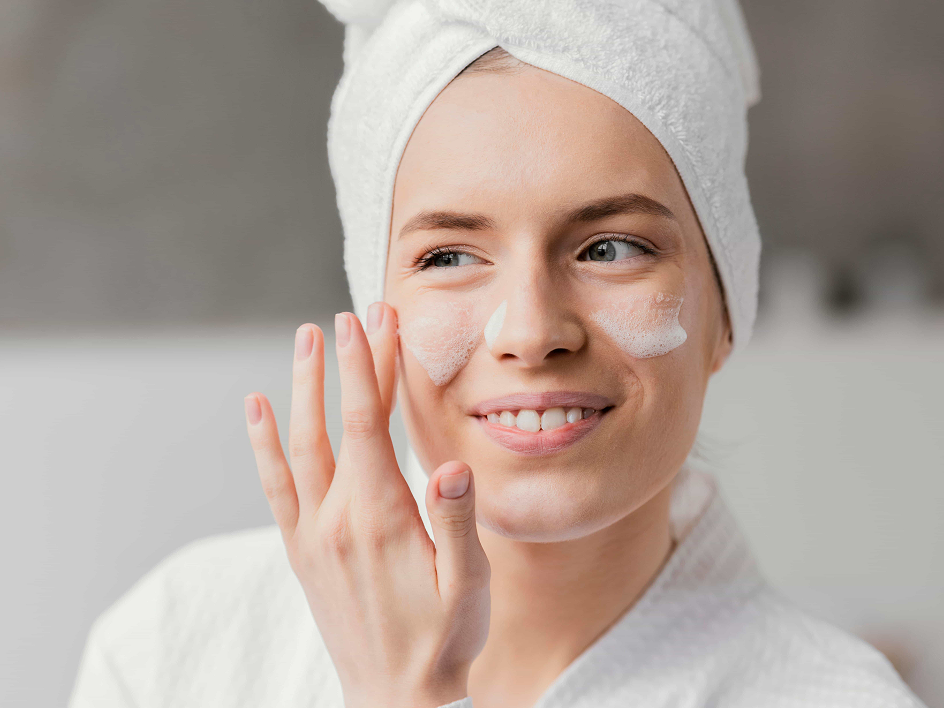
Why choosing the right cleanser for your skin type is important
The choice of a cleanser directly influences the skin barrier, sebum regulation, and long-term skin health. Overly aggressive cleansing weakens the skin, while insufficient cleansing promotes impurities and imbalances. The recommendations presented are based on general dermatological principles, taking into account oily, dry, sensitive, and acne-prone skin, without a universal approach or a single solution applicable to everyone.
Facial Cleanser Comparison by Formula
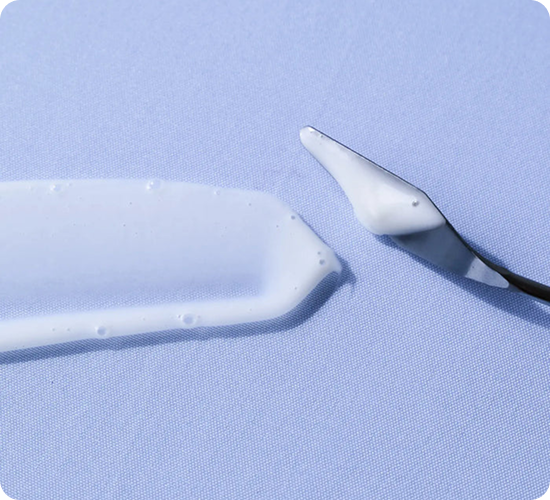
Idoine facial cleanser
Idoine face cleanser combines white clay, aloe vera, and moringa oil to effectively remove impurities while preserving the skin's natural hydration. Its gentle formula cleanses without stripping, supports the skin barrier, and helps improve complexion radiance. Unlike more aggressive or too light cleansers, it offers an optimal balance between effectiveness and comfort. It is particularly suitable for dry, sensitive, or dull skin looking for a respectful, nourishing, and comfortable daily cleansing experience.
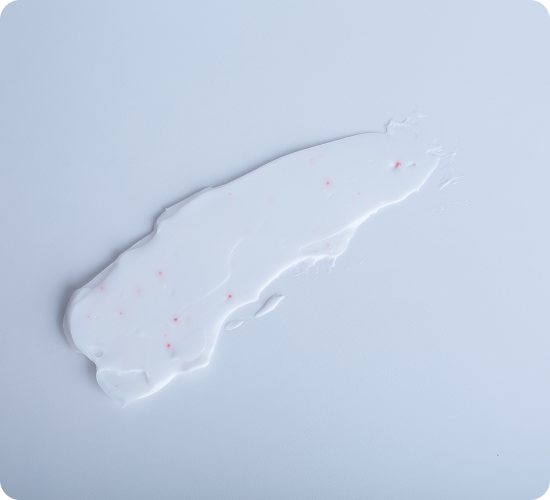
Gentle cleanser brand X
This gentle cleanser combines coconut oil and chamomile extract to cleanse the skin without an immediate feeling of harshness. It soothes and helps limit minor discomforts while maintaining some hydration. However, its formula remains more basic and less comprehensive in terms of supporting the skin barrier. Compared to the Idoine facial cleanser, its moisturizing and protective action is more limited, especially for dry or sensitized skin requiring a more nourishing and enveloping care.
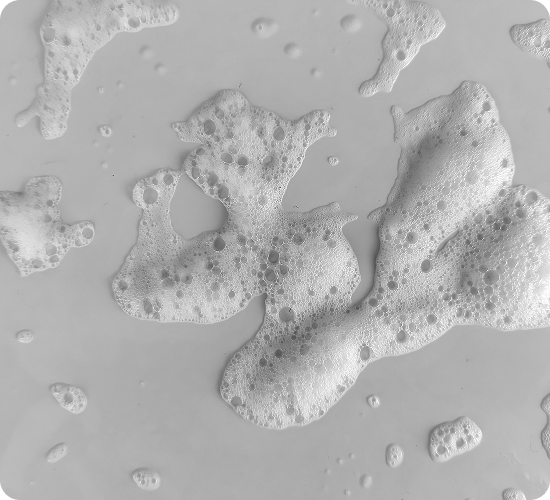
Y brand foaming cleanser
This foaming cleanser contains salicylic acid and tea tree oil, ingredients known for their purifying action on clogged pores and blemishes. It provides a fresh sensation and a deep cleanse. However, this approach is more geared towards purification than towards protecting the skin barrier. Compared to Idoine facial cleanser, it may be less suitable for dry or sensitive skin, as it prioritizes targeted action on excess sebum rather than a hydrating and soothing cleanse.

Direct Comparison – Oily Skin vs. Dry Skin
Fundamental Biological Differences
Oily skin produces more sebum, while dry skin has a weakened skin barrier and increased water loss. These biological differences explain why a single cleanser cannot effectively meet the needs of both types without causing skin imbalances.
Skin Barrier Integrity
For dry skin, the skin barrier allows water to escape more easily. Oily skin can also be dehydrated despite excess sebum. An unsuitable cleanser accentuates these fragilities and decreases overall skin tolerance.
Skin pH Balance
The optimal skin pH is between 4.5 and 5.5. Oily skin tolerates some cleansing agents better than dry skin. An unbalanced pH promotes irritation, discomfort, and persistent imperfections, regardless of the skin type.

Common mistakes when choosing a facial cleanser
The myth of aggressive cleansing
Cleansing too frequently or aggressively triggers a skin defense response. The skin increases its sebum production, weakens its barrier, and becomes more sensitive. This mechanism explains why stronger cleansing does not permanently improve skin condition.
Marketing confusion and efficacy
Price or marketing promises do not guarantee efficacy. The actual concentration of active ingredients matters more than trendy words. A natural ingredient can be irritating. Reading the INCI list helps to distinguish relevant formulas from mere commercial arguments.
Poor adaptation to needs
Using a cleanser designed for another skin type causes discomfort, imbalance, and disappointing results. Adapting one's routine according to the season, stress, and skin evolution helps to preserve the skin's barrier and health in the long term.
How to choose the ideal cleanser for your skin
Identifying your dominant skin type, observing reactions over several weeks, and adjusting according to seasons, stress, or age allows for an informed choice. Gradually testing and consulting a professional if in doubt is still recommended.
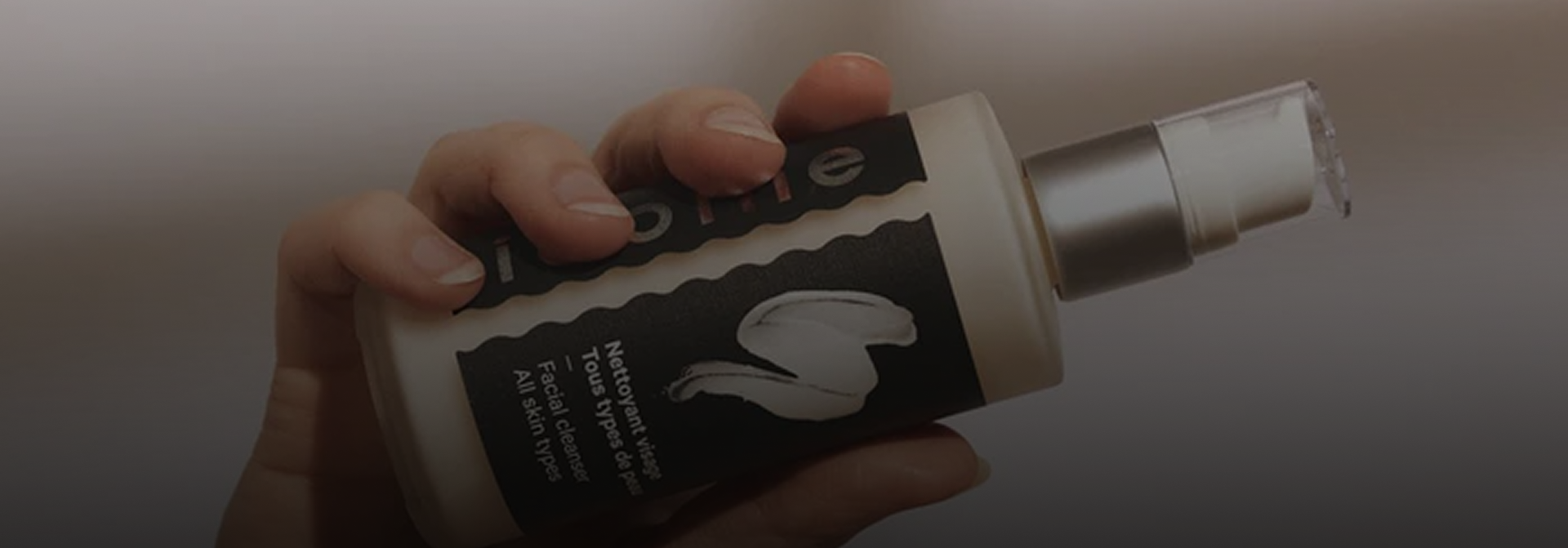
Why choose Idoine facial cleanser?
Idoine uses high-quality natural and organic ingredients to provide effective cleansing without compromising the skin's balance. Its gentle formula respects the skin's barrier, helps maintain hydration, and is particularly suitable for sensitive skin seeking daily comfort, tolerance, and care.
Cleanser for Oily Skin – Control Sebum Without Stripping
A facial cleanser for oily skin must remove excess sebum while respecting the skin barrier. Effective formulas combine regulation, purification, and light hydration. An adapted texture and correct application prevent the rebound effect, often caused by overly aggressive products, and help maintain more balanced, clear, and comfortable skin in the long term.
Cleanser for Dry Skin – Cleanse Without Dehydrating
The comparison between facial cleansers for dry and oily skin reveals opposing needs. Dry skin requires gentle, non-foaming cleansers capable of preserving natural lipids. An adapted formula supports the skin barrier, limits water loss, and reduces feelings of discomfort. Excessive or unsuitable cleansing accentuates dryness and tightness.
Cleanser for Sensitive Skin – Soothe Without Irritating
A fragrance-free facial cleanser for sensitive skin must minimize the risk of irritation from the first step of the routine. Simple formulas, without alcohol or fragrance, promote better tolerance. The use of soothing ingredients supports the skin barrier and reduces reactions. Testing tolerance before regular use remains essential to avoid discomfort and progressive sensitization.
Frequently Asked Questions
Un même nettoyant visage naturel ne peut pas être optimal pour tous les profils. Les peaux grasses ont besoin d'une formule légère avec de l'argile pour absorber le sébum ; les peaux sèches bénéficient d'un apport lipidique comme l'huile de moringa pour ne pas accentuer les tiraillements. Un nettoyant pour la peau mixte est souvent un compromis : la texture et la technique de rinçage font alors toute la différence selon chaque type de peau. Choisir le bon nettoyant pour la peau commence par identifier ton profil cutané.
La liste INCI classe les ingrédients par ordre décroissant de concentration. Pour repérer un vrai nettoyant visage naturel, cherche en tête de liste des tensioactifs d'origine végétale comme le coco-glucoside ou le décyl-glucoside, plutôt que des sulfates comme le SLS ou le SLES. Parfums synthétiques et alcools dénaturés apparaissent souvent en fin de liste mais restent actifs. Choisir un nettoyant bio certifié Québec Vrai signifie que cette vérification a déjà été faite par un tiers indépendant.
Frequency depends on skin type and lifestyle. Generally, cleansing morning and evening is sufficient. Dry skin can limit cleansing to the evening to preserve natural lipids. Oily or acne-prone skin benefits from gentle cleansing twice a day. After physical activity or significant sweating, an additional cleanse may be helpful. Cleansing too often weakens the skin barrier, unbalances pH, and promotes irritation and excessive compensatory sebum production.
When sensitivity and acne coexist, balance is key. A cleanser that is too harsh accentuates inflammation, while one that is too rich promotes clogged pores. Formulas incorporating gentle exfoliation, such as LHA or a low concentration of salicylic acid, are often better tolerated. Gradual use, ideally in the evening, limits reactions. Signs of a cleanser that is too strong include persistent redness, stinging, and increased dryness after washing.
Salicylic acid does not intrinsically dry out the skin. Feelings of dryness usually come from a weakened skin barrier or an inappropriate concentration. Used between 0.5 and 2 percent and combined with adequate hydration, it helps to unclog pores without stripping. Supporting the barrier with moisturizing ingredients allows this active ingredient to be used effectively without causing discomfort or skin imbalance.