

Routine
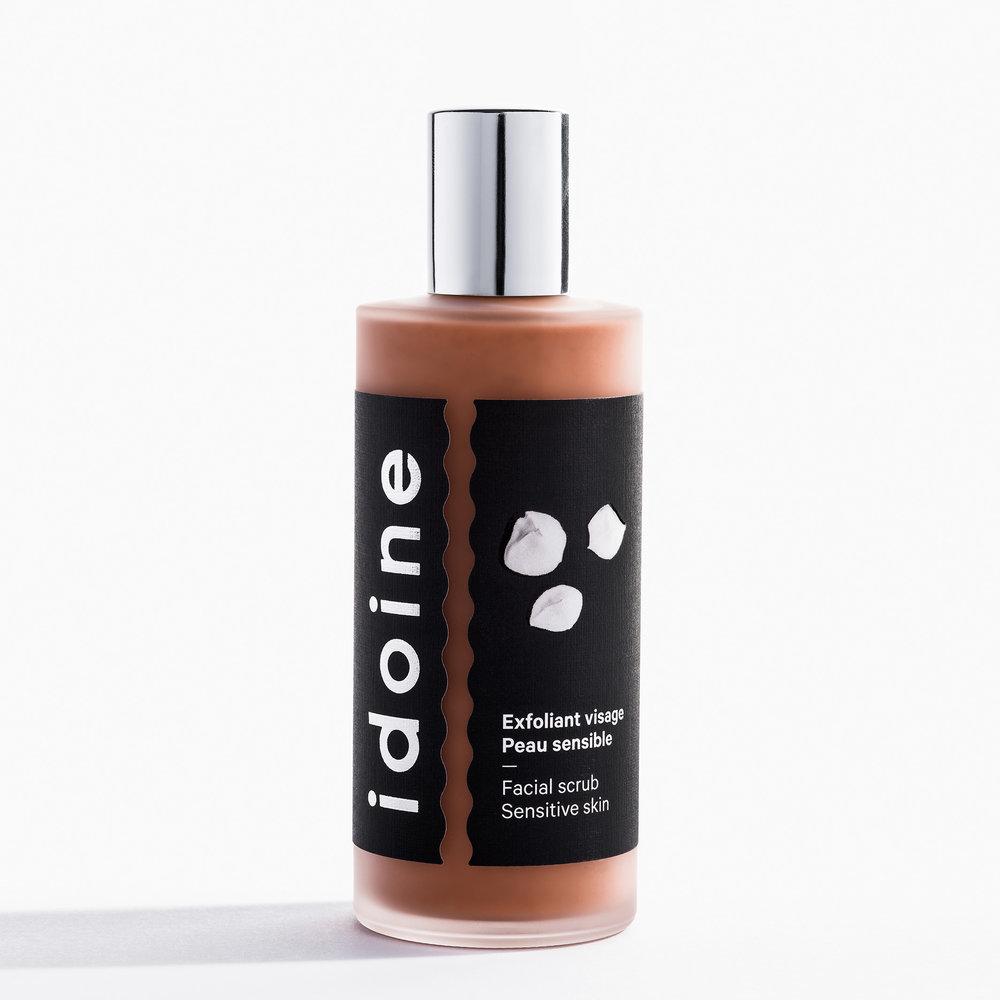
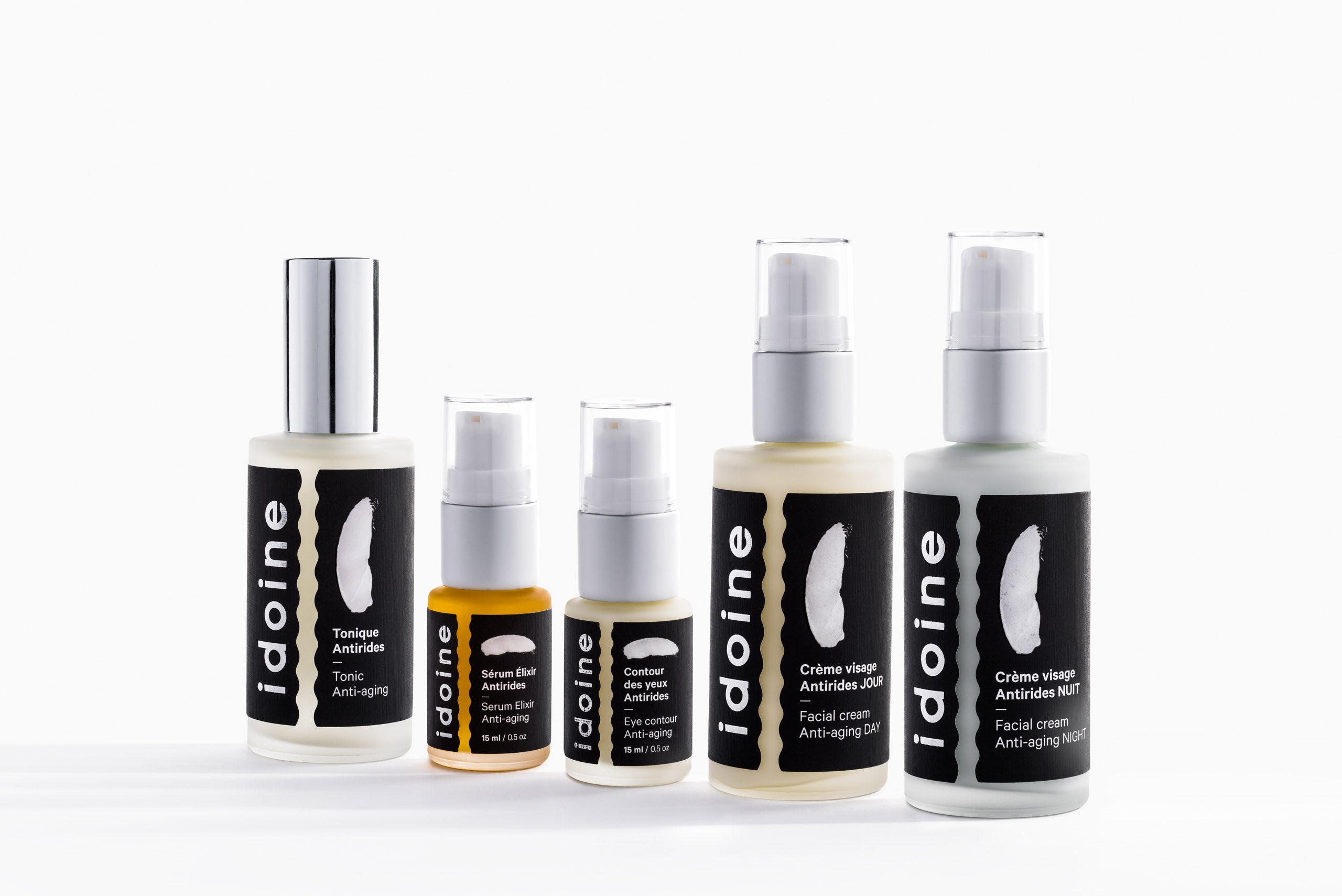
Understanding Dehydrated Skin
Dehydrated skin is often characterized by: A T-zone that is oily (forehead, nose, chin) and dry or flaky areas on the cheeks and jawline. Signs such as fine lines and a dull complexion in dehydrated areas. A T-zone with enlarged pores, prone to shine and imperfections. For a successful anti-aging routine, prioritize hydrating serums, lightweight creams, and appropriate UV protection.
Daily Care for Dehydrated Skin
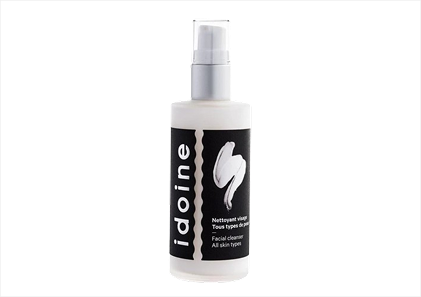
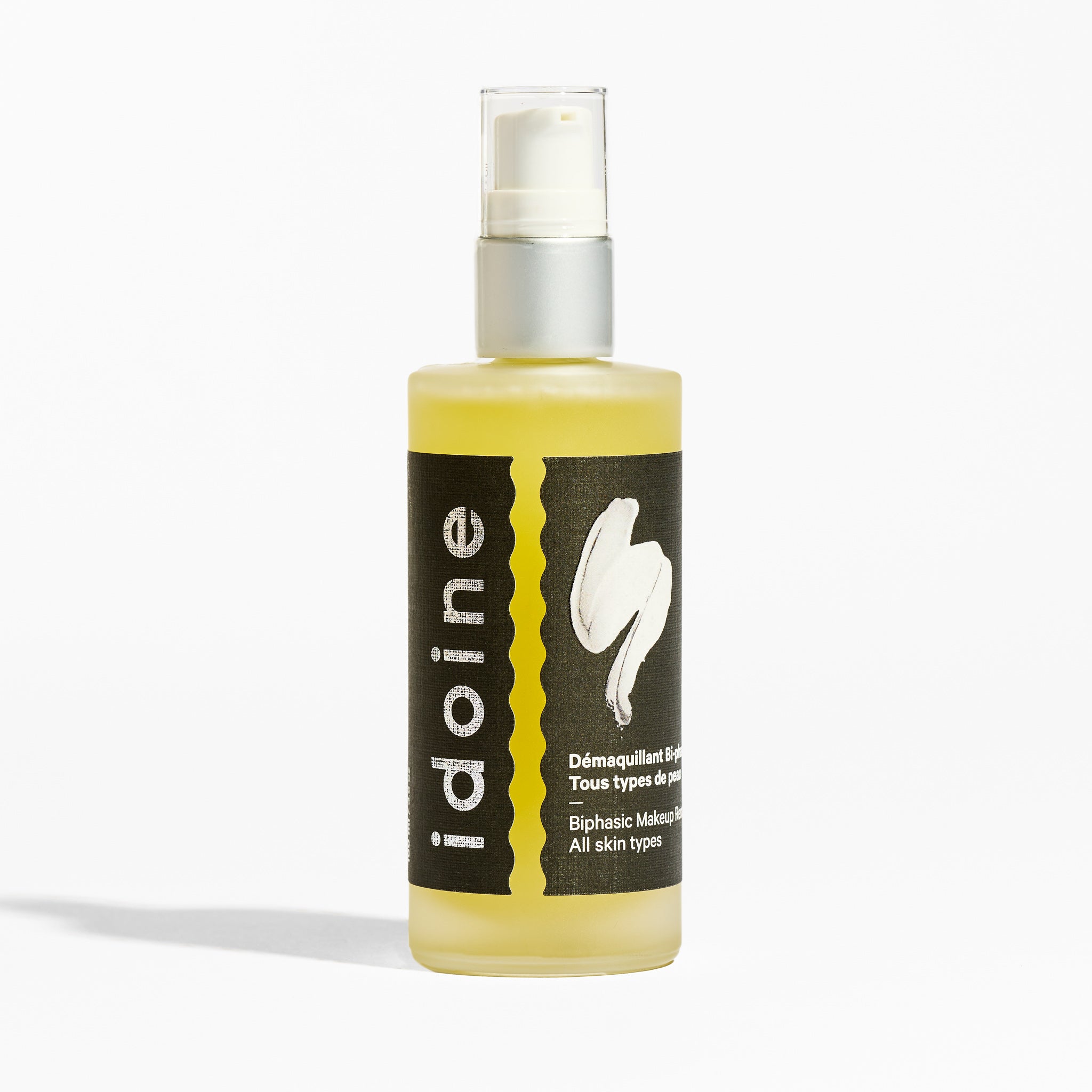
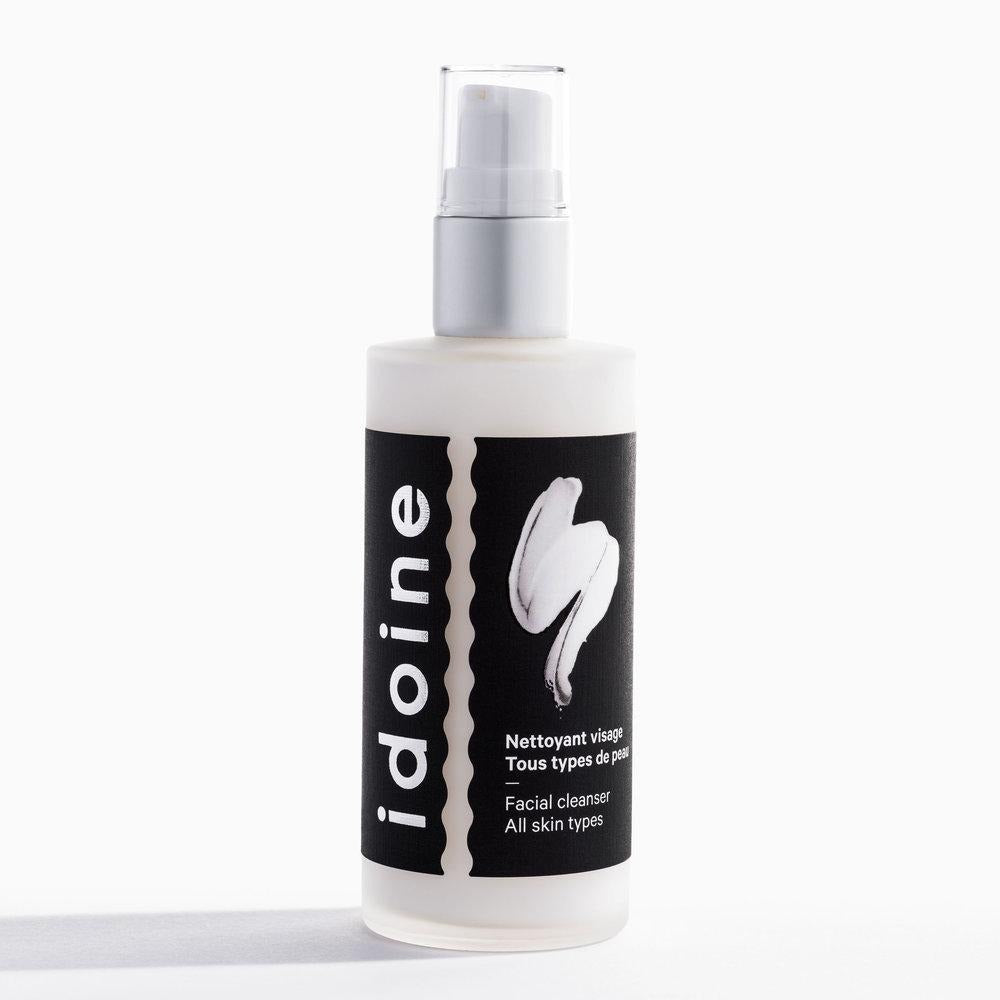
Face cleanser
Choose a gentle cleanser suitable for your skin type to remove impurities without drying it out. Use it morning and night for fresh, radiant skin.
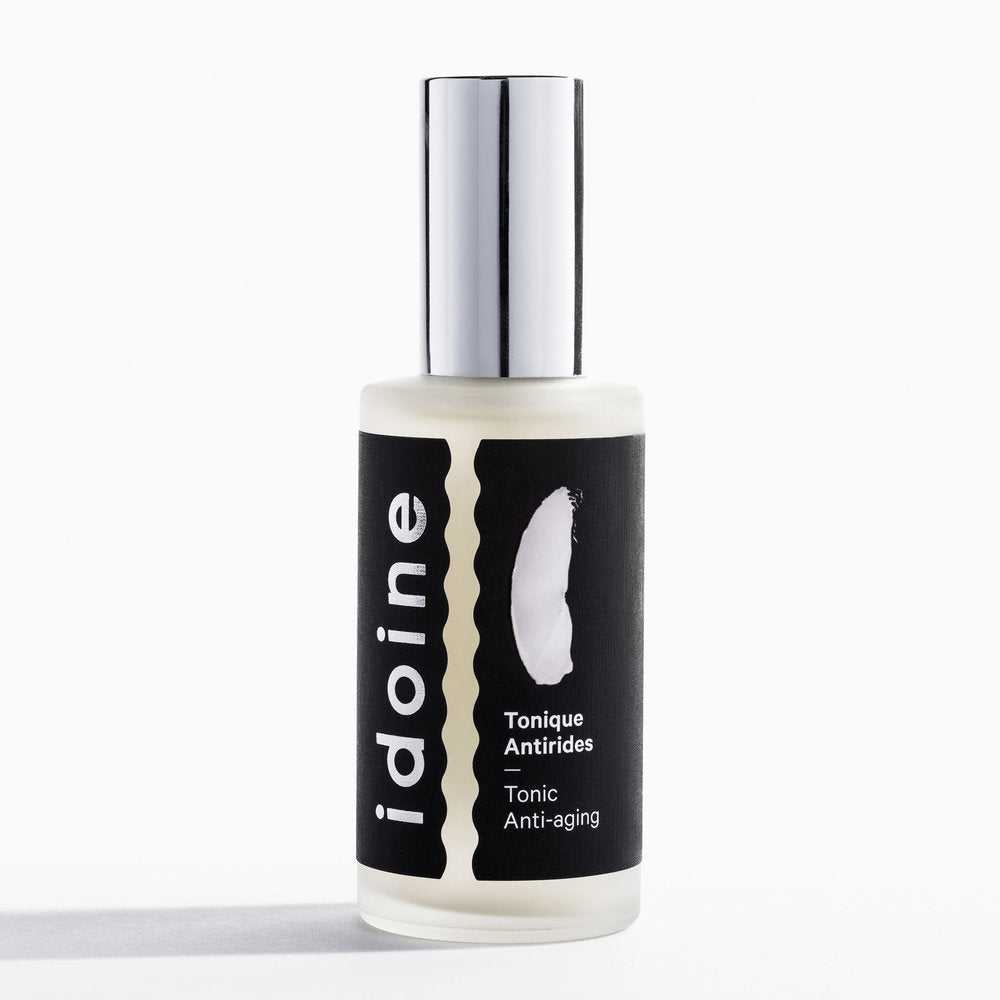
To tone
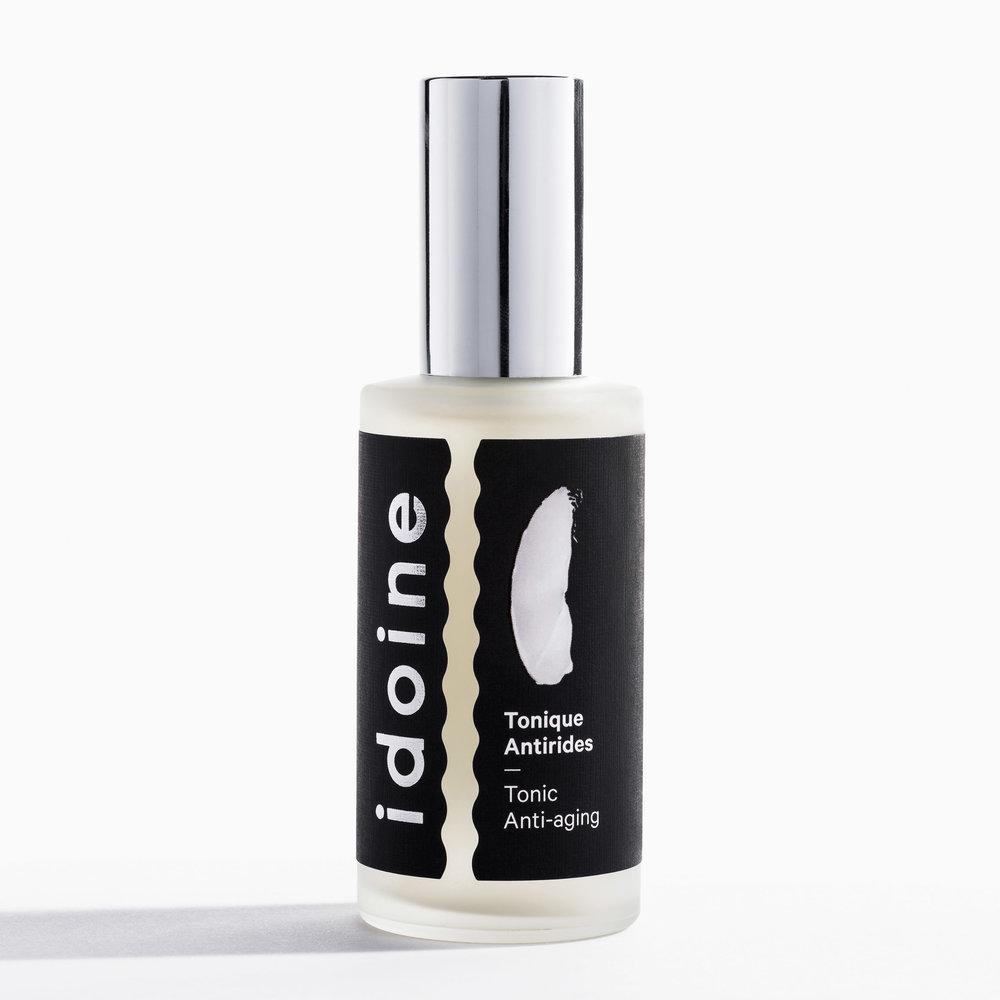
Apply a toner suited to your skin type to tighten pores and refresh your complexion. Use it morning and evening after cleansing for balanced and revitalized skin.
Serum
Choose a serum suited to your needs to deeply hydrate, soothe, or brighten the skin. Apply a few drops morning and evening before your cream for optimal results.
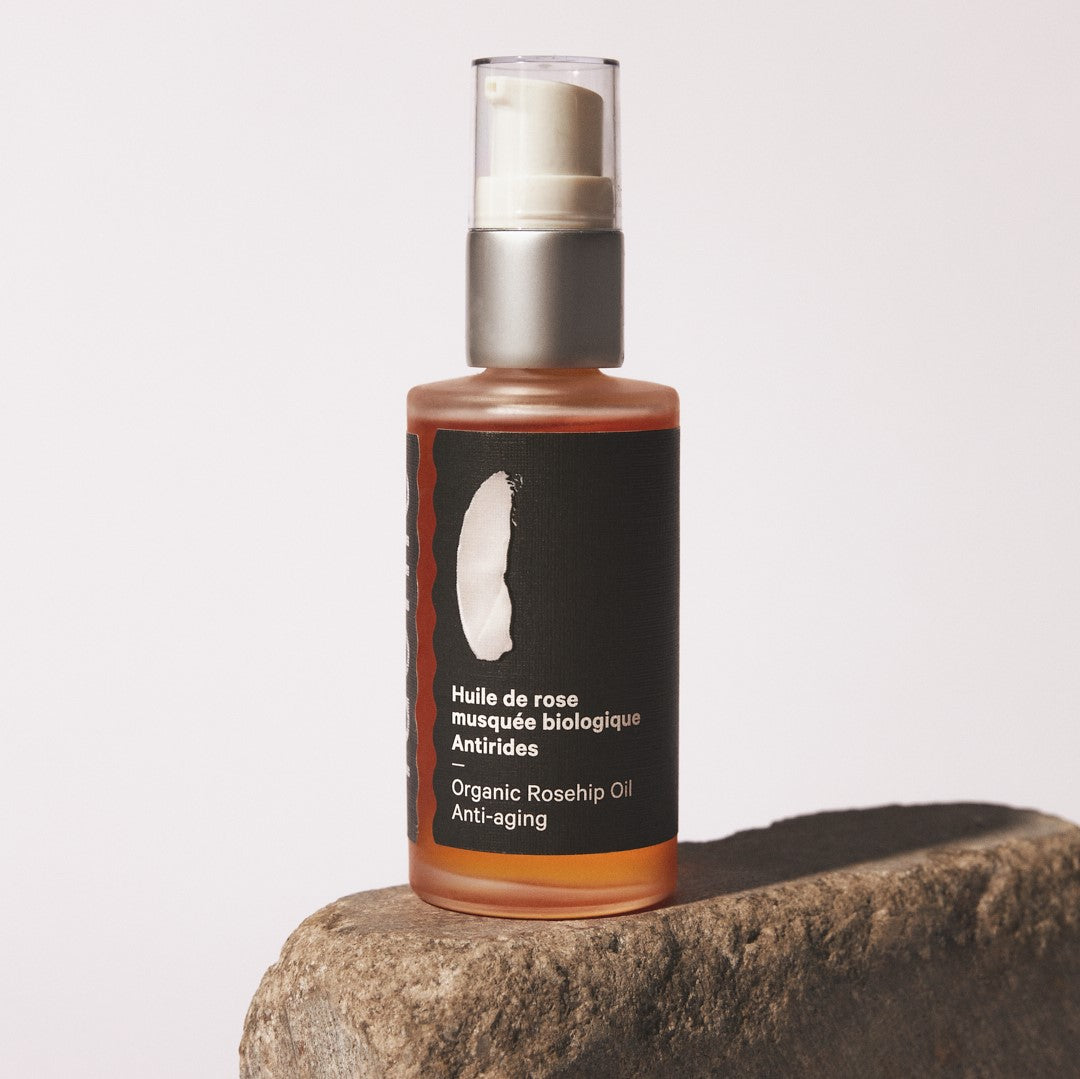
Oil and eye contour
Apply a nourishing oil and an eye contour treatment to deeply hydrate while preserving the skin's elasticity.
Ingredients to look for and avoid
To do
Dehydrated skin lacks water and may exhibit tightness, dullness, and fine lines of dehydration. Unlike dry skin, it can affect all skin types, including oily skin. Adopting the right practices helps restore its balance and give it back its suppleness and radiance. * **Drink enough water:** Hydration starts from within. It's essential to drink at least 1.5 to 2 liters of water per day to help the skin regain its elasticity. * **Use a gentle cleanser:** Gentle cleansing, without sulfates or alcohol, removes impurities without worsening dehydration. * **Apply a hydrating serum:** A serum based on active ingredients like hyaluronic acid helps retain water in the tissues and plump up the skin. * **Moisturize morning and evening:** Choose a light but moisturizing cream that can strengthen the skin barrier without weighing it down. * **Use a mist or toner:** Spraying a hydrating mist or applying an alcohol-free toner after cleansing prepares the skin for subsequent treatments. * **Opt for treatments rich in humectants:** Ingredients such as hyaluronic acid, glycerin, and aloe vera attract water and improve skin hydration. * **Protect the skin from cold and sun:** Wind, cold, and UV rays accentuate dehydration. Applying sunscreen and adapting your routine in winter is essential.

To avoid
Using harsh cleansers: Overly stripping foaming gels or soaps with a high pH can further weaken the skin. Neglecting hydration: Applying cream only when the skin feels tight is insufficient. Regular hydration is necessary to prevent dehydration. Drinking too much coffee or alcohol: These beverages have a diuretic effect and can increase water loss in the body. Washing your face with water that is too hot: Hot water is harsh on the skin and destroys its hydrolipidic film, promoting water evaporation. Overdoing exfoliation: Excessive exfoliation weakens the skin and can worsen the feeling of discomfort. Once or twice a week is sufficient. Forgetting sun protection: Even in winter, UV rays accelerate dehydration and skin aging. Daily protection is essential. By adopting these good habits and avoiding common mistakes, it is possible to regain supple, comfortable, and radiant skin.