Dark Spot Corrector: which ingredients really reduce spots?
A dark spot corrector promises to even out skin tone and reduce visible pigmentation marks. However, not all products are created equal. Some exfoliate the surface, others act directly on melanin production, and still others block pigment transfer.
If you're looking for the best dark spot corrector or a truly effective anti-dark spot serum, it's essential to understand which anti-dark spot skin ingredients work deeply and why.
This guide deciphers the biological mechanisms of hyperpigmentation and explains how to choose a dark spot corrector for the face based on your skin type and the nature of your spots.

Why do dark spots resist some treatments?
Dark spots appear when melanocytes produce an excess of melanin. This overproduction can be triggered by UV rays, hormonal variations, inflammation, or skin trauma.
The pigment chain follows a precise process. The melanocyte produces melanin, which is encapsulated in melanosomes. Melanosomes are then transferred to keratinocytes. These pigment-laden cells gradually rise to the surface, making the spot visible.
Many so-called lightening treatments are limited to exfoliating the superficial layer. They accelerate the elimination of pigmented keratinocytes but neither block tyrosinase, a key enzyme in melanin synthesis, nor the transfer of melanosomes.
To durably correct hyperpigmentation, including post-inflammatory hyperpigmentation (PIH), three mechanisms are necessary: inhibiting tyrosinase, blocking the transfer of melanosomes to keratinocytes, and accelerating cell renewal to eliminate already pigmented cells.
A dark spot corrector that ignores the first two levers will only temporarily reduce the spot. As soon as treatment stops, the pigmentation reappears.
Ingredients that inhibit melanin production
To act at the root, an anti-dark spot serum must directly target melanin synthesis. The most studied active ingredients act on tyrosinase, a central enzyme in the pigmentation process.
Vitamin C: antioxidant and tyrosinase inhibitor
Vitamin C, particularly in the form of ascorbic acid or derivatives such as ascorbyl glucoside, inhibits tyrosinase activity. It thus limits the production of new melanin.
Its antioxidant role also neutralizes free radicals generated by UV rays, which stimulate melanocytes. This dual action explains why it is one of the major active ingredients in a dark spot corrector for the face.
Pure ascorbic acid is, however, unstable. It oxidizes rapidly on contact with air and light. Stabilized derivatives are therefore particularly relevant, especially in an organic formulation concerned with stability.
Combined with niacinamide, vitamin C offers an interesting synergy. One acts on production, the other on pigment transfer, with a limited risk of irritation when concentrations are controlled.
Niacinamide: the melanosome transfer regulator
Contrary to popular belief, niacinamide does not inhibit tyrosinase. Its action is downstream. It blocks the transfer of melanosomes from melanocytes to keratinocytes.
This mechanism makes it complementary to an effective anti-dark spot serum containing a tyrosinase inhibitor. Production is slowed down, and already produced pigment is less diffused.
Niacinamide also has anti-inflammatory properties. It strengthens the skin barrier and reduces redness, which is essential for preventing post-inflammatory hyperpigmentation.
At concentrations of 4 to 5%, it is suitable for all skin tones, including melanin-rich skin, with no major irritating risk.
Kojic acid, arbutin, and botanical alternatives
Kojic acid is derived from fungal fermentation. It effectively inhibits tyrosinase but can become irritating at high concentrations, especially on sensitive skin.
Arbutin, of plant origin, is extracted notably from bearberry. In alpha or beta form, it metabolizes on the skin's surface and acts as a milder inhibitor. Sourcing quality is crucial to guarantee purity and stability.
Glabridin, extracted from licorice, combines tyrosinase inhibition with an anti-inflammatory action. It is particularly interesting for post-acne marks and skin prone to PIH.
Boerhavia diffusa, a lesser-known botanical extract, is being researched for its role in inhibiting melanogenesis. Its presence in a dark spot corrector is part of a differentiating approach, particularly in organic cosmetics.
Ingredients that accelerate cell renewal
Cell renewal takes an average of 28 to 40 days. Exfoliating active ingredients accelerate the elimination of melanin-laden keratinocytes already visible on the surface.
-
AHAs, such as glycolic acid, promote rapid renewal. Lactic acid is milder and better tolerated by dry or sensitive skin. PHAs are the gentlest option for reactive skin.
-
Retinol also stimulates cell renewal and has a slight effect on tyrosinase. However, it remains photosensitizing and incompatible with sun exposure without strict SPF.
-
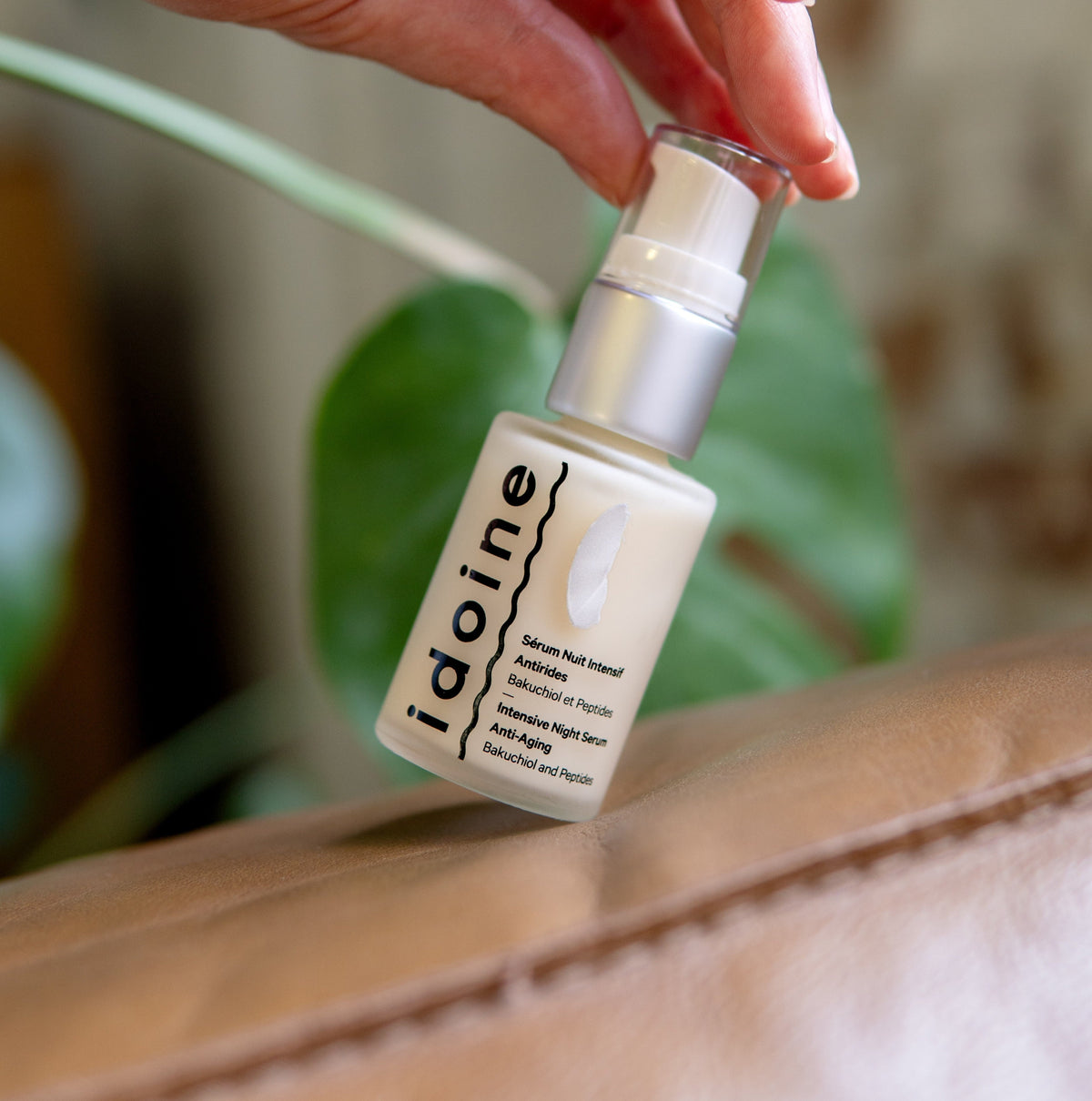
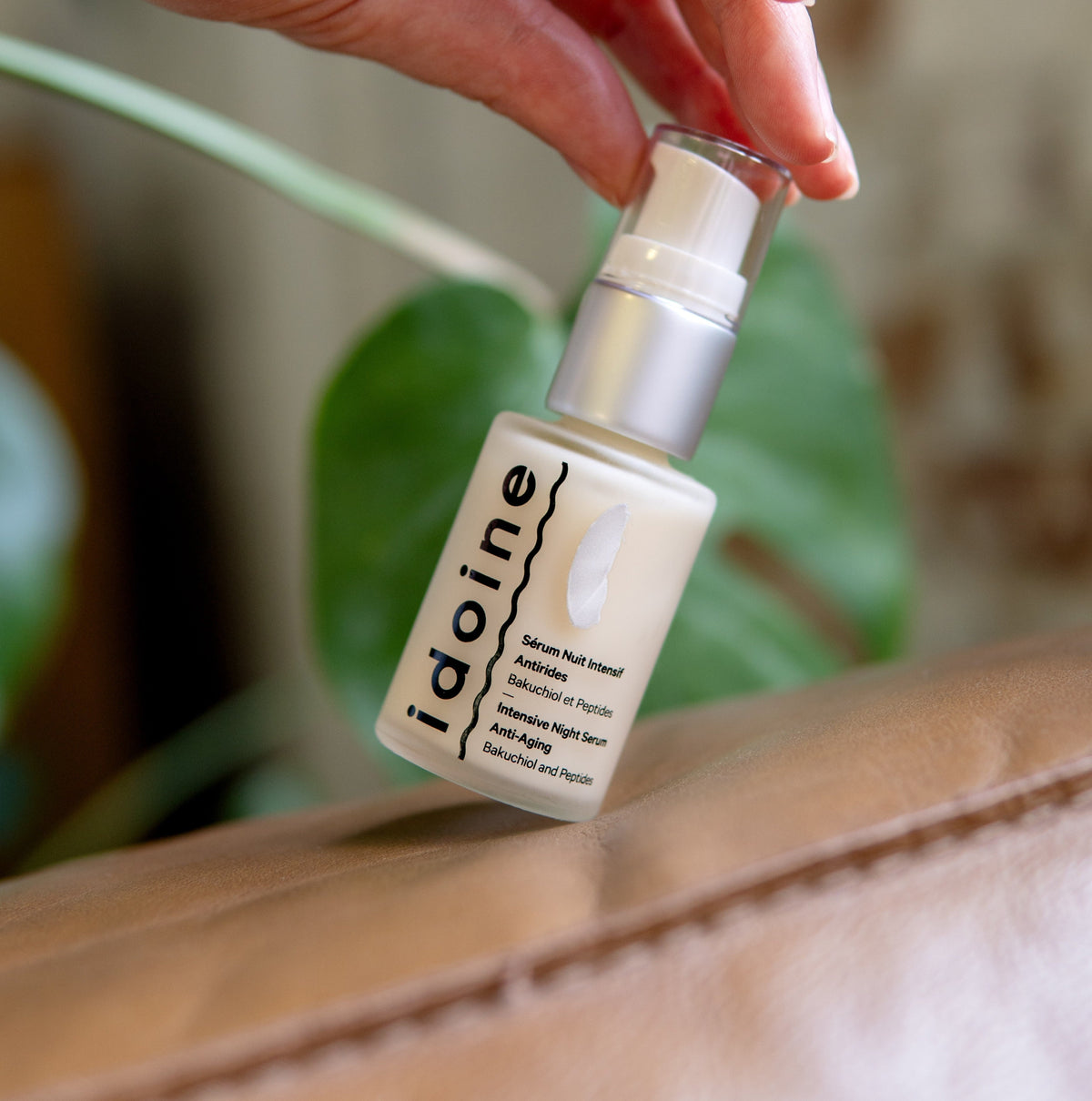
Bakuchiol, of plant origin, offers comparable renewal benefits without increasing photosensitivity. It represents a coherent alternative in a natural routine.
-
Plant enzymes like papain or bromelain exfoliate by degrading dead cell proteins, without strongly disturbing the skin's pH.
It is crucial to understand that a dark spot corrector stick or an effective anti-dark spot serum, based solely on exfoliation, does not stop the production of new melanin: without an inhibitor, improvement remains temporary.
How to layer these active ingredients without triggering more pigmentation
Excessive use of active ingredients can cause inflammation. However, inflammation stimulates melanocytes. This is the paradox of post-inflammatory hyperpigmentation.
Combining concentrated forms of vitamin C and powerful AHAs in the same morning routine can alter the skin barrier. A weakened barrier increases sensitivity and the risk of new spots.
A coherent protocol distinguishes application times. In the morning, prioritize antioxidants such as vitamin C and niacinamide, always followed by an SPF. In the evening, incorporate renewal active ingredients, such as AHAs once or twice a week or bakuchiol.
Ferulic acid can stabilize vitamin C and prolong its effectiveness, which optimizes the performance of a dark spot corrector for the face.
Introducing one active ingredient at a time for two to three weeks allows for tolerance assessment. A preliminary skin test is recommended for sensitive skin.
The first superficial improvements usually appear after four to six weeks. Deeper pigmentations require eight to twelve weeks of regular application, always combined with sun protection.
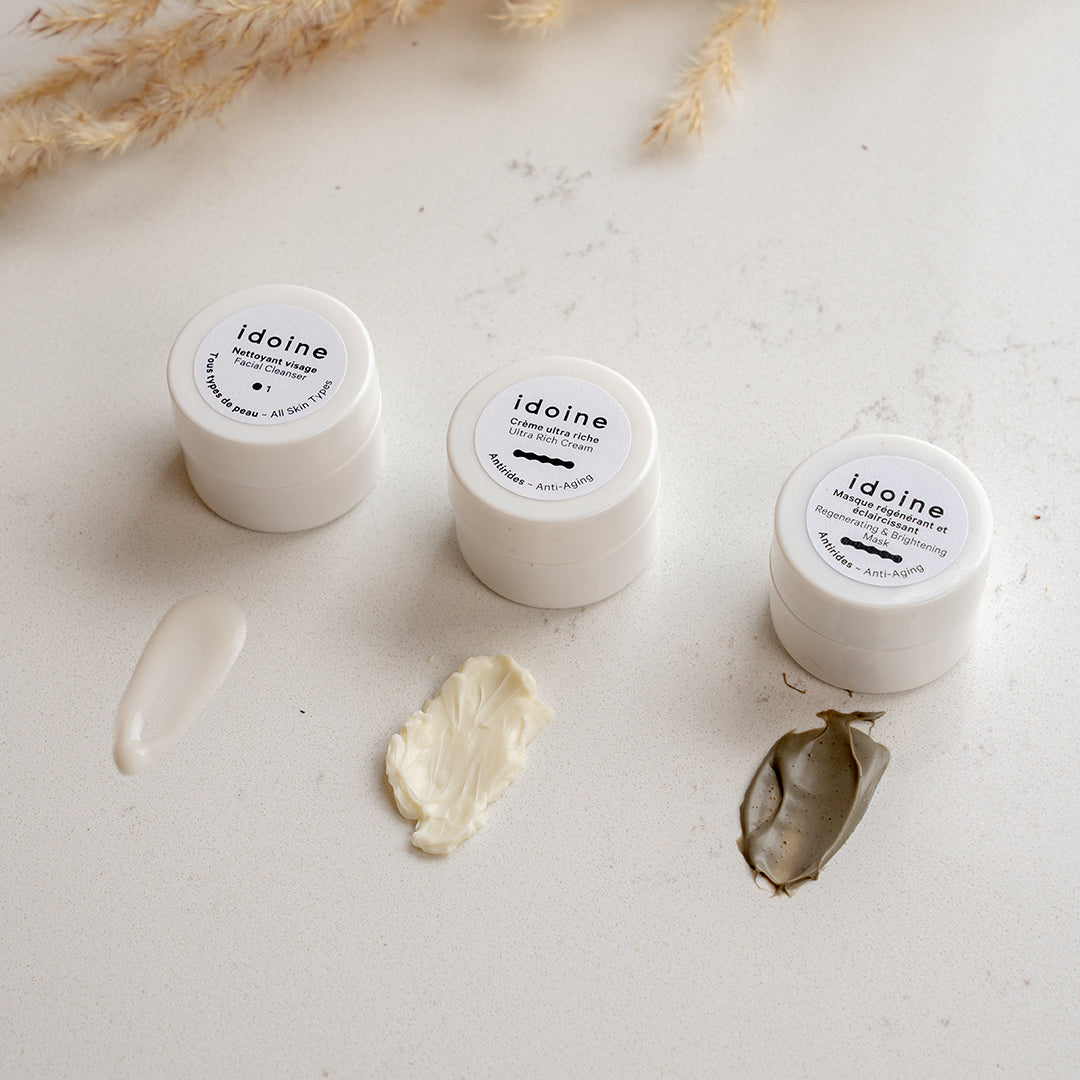
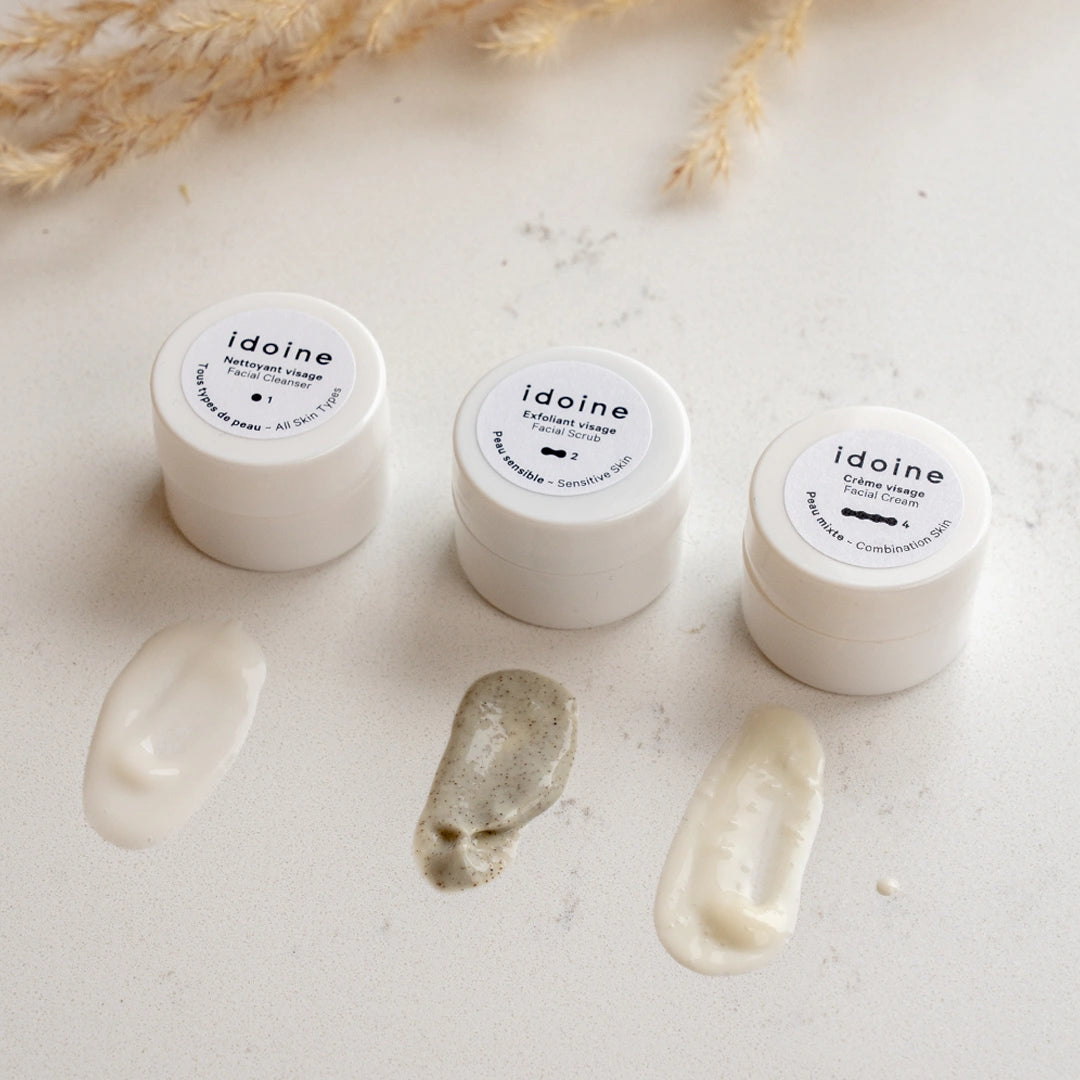
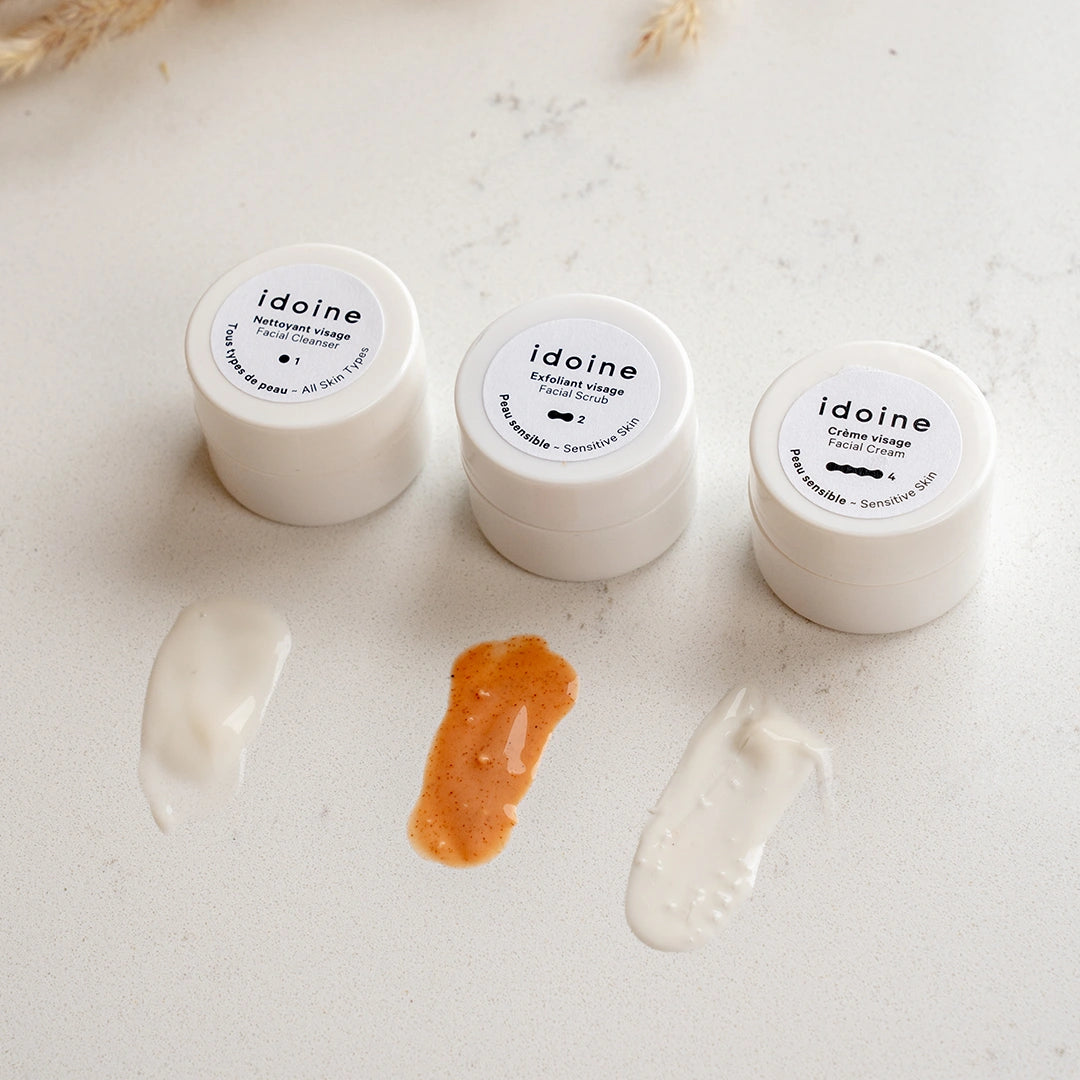
What Idoine Bio offers for skin marked by spots
Many anti-dark spot treatments combine recognized active ingredients with synthetic fragrances, alcohol, or potentially irritating agents. However, inflammation contradicts the very purpose of a dark spot corrector.
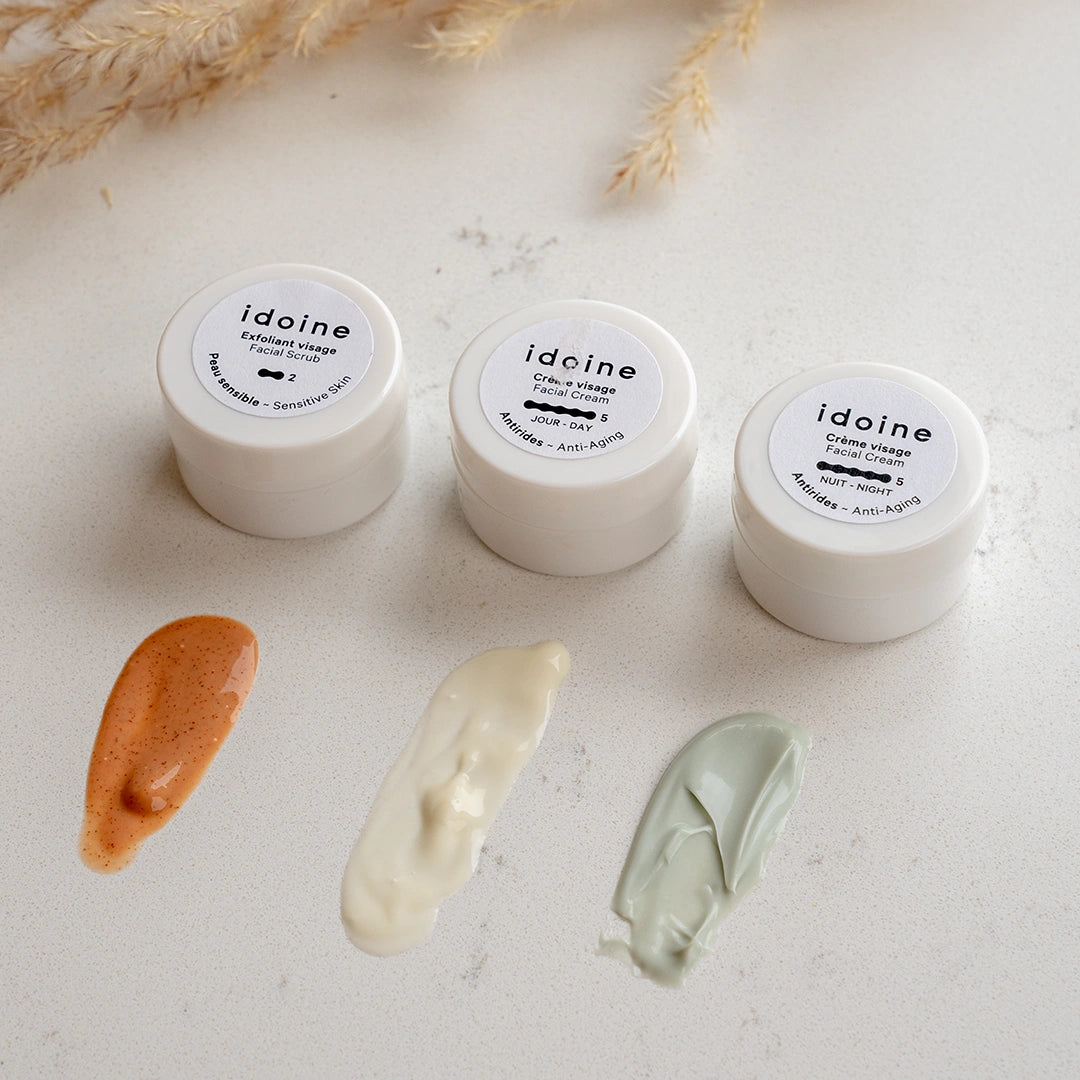
Idoine Bio's approach is based on a certified organic formulation, with natural ingredients selected for their traceability and stability.
The absence of synthetic fragrance reduces the risk of post-inflammatory hyperpigmentation. Active ingredient concentrations are designed to be effective without compromising the tolerance of sensitive skin.
The stability of vitamin C, the purity of arbutin, and the consistency of active ingredient combinations are key criteria in a routine aimed at correcting spots without weakening the skin.
Natural correction requires consistency. It gradually acts on the mechanisms of melanin production and transfer, without causing a pigment rebound effect linked to excessive irritation.
For those looking for the best dark spot corrector in a skin-friendly approach, discovering Idoine Bio formulas allows for exploring treatments that integrate tyrosinase inhibition, transfer regulation, and support for cell renewal.
Conclusion
Choosing a dark spot corrector is not just about applying a lightening treatment. To durably reduce spots, it is essential to act on several levels: slowing down melanin production, limiting its transfer to keratinocytes, and accelerating cell renewal.
An effective anti-dark spot serum relies on this complementarity of active ingredients, combined with progressive use and daily sun protection. Without SPF, even the best dark spot corrector cannot compensate for the effect of UV rays on melanocytes.
By understanding the biological mechanisms of hyperpigmentation and the precise role of anti-dark spot ingredients for the skin, it becomes possible to choose a dark spot corrector for the face adapted to one's skin type, the nature of one's spots, and one's skin tolerance. Consistency and coherence of the routine remain the true keys to a more uniform and durably corrected complexion.
Frequently asked questions about dark spot correctors
1- What is the most effective ingredient for reducing dark spots?
There is no single universally superior ingredient. Effectiveness depends on the type of spot and skin sensitivity.
For sun-related spots, the combination of stabilized vitamin C and niacinamide is widely supported. For post-inflammatory hyperpigmentation, niacinamide combined with azelaic acid is often preferred for its gentleness.
In cases of melasma, tranexamic acid shows solid data, always combined with rigorous SPF.
In a more natural approach, glabridin, arbutin, and bakuchiol are relevant alternatives for a dark spot corrector.
2- How long does it take to see results with a spot corrector?
The full cell cycle lasts 28 to 40 days. This is the minimum time to observe a surface change.
Superficial UV-related spots may begin to fade after four to six weeks of regular use of an anti-dark spot serum.
Deeper or hormonal pigmentations often require eight to twelve weeks.
Without daily SPF application, UV rays reactivate melanin production and nullify the benefits obtained.
3- Can a dark spot corrector be used on sensitive skin?
Yes, provided suitable active ingredients are chosen. Niacinamide, PHAs, azelaic acid, and lactic acid are generally well tolerated.
It is best to avoid high concentrations of glycolic acid or early use of retinol without an adaptation phase.
An effective anti-dark spot serum for sensitive skin should be introduced gradually, starting two to three times a week.
An organic formulation, without synthetic fragrance, also reduces the risk of irritation.
4- What is the difference between a spot corrector and an anti-spot serum?
A dark spot corrector is often designed for targeted application on a specific area. It can come in the form of a dark spot corrector stick or a concentrated serum applied locally.
An anti-dark spot serum is applied to the entire face. It acts on both existing spots and the prevention of new pigment irregularities.
The combination of both can be relevant. A targeted corrector for visible spots, complemented by a global serum to even out skin tone.
5- Do you really need to use sunscreen when using a spot corrector?
Yes. Sun protection is essential. It prevents UV rays from reactivating melanogenesis.
AHAs, vitamin C, and retinol can increase photosensitivity. Without daily SPF of at least 30, or even 50 for exfoliating active ingredients, correction becomes ineffective.
A mineral sunscreen, based on zinc oxide or titanium dioxide, easily integrates into a natural routine, without interfering with a dark spot corrector.