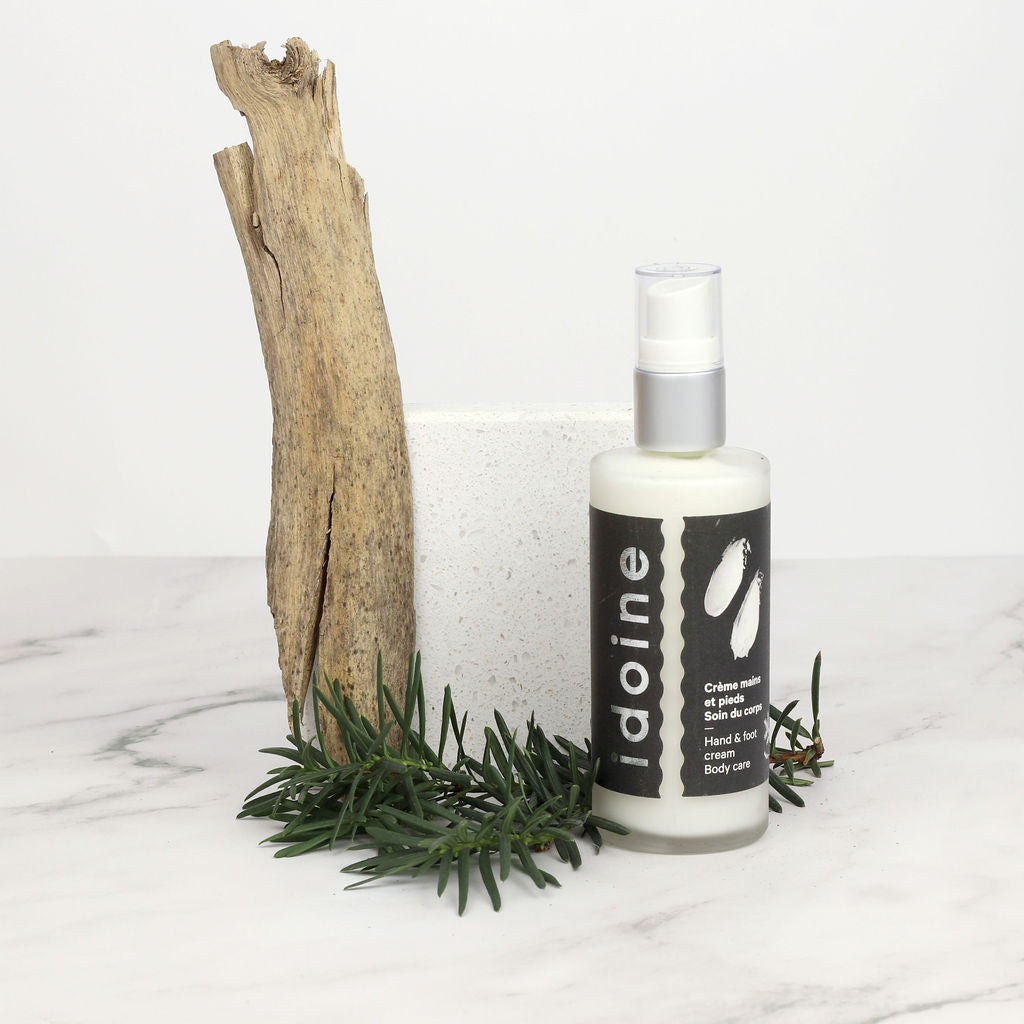
Quebec natural cosmetic products: 3 boreal ingredients
Quebec's natural cosmetic products are gaining increasing interest, both for their transparency and their local roots. Among the most intriguing ingredients, certain active compounds derived from the boreal forest stand out for their richness and effectiveness, notably Labrador tea and its benefits, Manicouagan clay, and balsam poplar.
These ingredients are not mere trends. They are part of a scientific and territorial logic, where climate, soil, and local knowledge directly influence the quality of the active ingredients used in natural cosmetics. Understanding their origin and properties helps in making better choices for skincare and recognizing truly effective formulations.
Why Quebec's plants and minerals are becoming essential in natural cosmetics
The Quebec boreal forest is a unique environment where plants and minerals can develop particular properties. Subjected to extreme climatic conditions, these natural resources can produce high concentrations of antioxidants and bioactive compounds, a phenomenon often associated with the principle of adaptive stress.
Institutions like UQAC (Université du Québec à Chicoutimi) and UQAR are increasingly interested in this boreal biodiversity, which helps to document the value of these active ingredients in local natural cosmetics. This research strengthens the credibility of Quebec's terroir as a source of high-performance ingredients.
At the same time, consumers are gradually turning to local alternatives to exotic ingredients. This transition reflects a need for transparency, traceability, and ecological consistency.
In this context, three ingredients particularly stand out in Quebec's natural cosmetic products: Labrador tea and its antioxidant properties, Manicouagan clay and its purifying properties recognized by Health Canada, and balsam poplar, used for generations for its restorative properties.
Labrador tea: a boreal antioxidant with validated anti-aging properties

Labrador tea, scientifically named Rhododendron groenlandicum or Ledum groenlandicum, is an emblematic plant of the Quebec boreal forest. It is mainly found in wetlands and peat bogs, where its leaves and buds are harvested in spring.
Traditionally used by First Nations, it was recognized for its anti-inflammatory, respiratory, and healing properties. Today, its potential in cosmetics is generating growing interest.
Research, particularly in collaboration with UQAC, has identified several key active compounds such as limonene, sabinene, and bornyl acetate. These molecules are associated with its antioxidant and soothing properties, making Labrador tea a sought-after ingredient for its benefits in anti-aging skincare.
It is found in various formulations such as serums, creams, and lotions, where it helps protect the skin against oxidative stress, improve radiance, and support skin regeneration.
Its profile makes it a particularly suitable ally for mature, sensitive, or reactive skin, which requires both effective and gentle care.
What properties does Labrador tea bring to the skin?
Labrador tea possesses properties often used in natural cosmetics.
It can help improve skin elasticity, which helps maintain a firmer and more supple appearance. Its antioxidant action can also help reduce visible signs of aging, particularly wrinkles.
Thanks to its active compounds, it can also have an astringent and purifying action, useful for balancing the skin without aggressing it. Its soothing effect makes it suitable for sensitive skin prone to redness.
However, some precautions should be considered. Its use is not recommended for people on anticoagulants, children under 6 years old, and during pregnancy without professional advice.
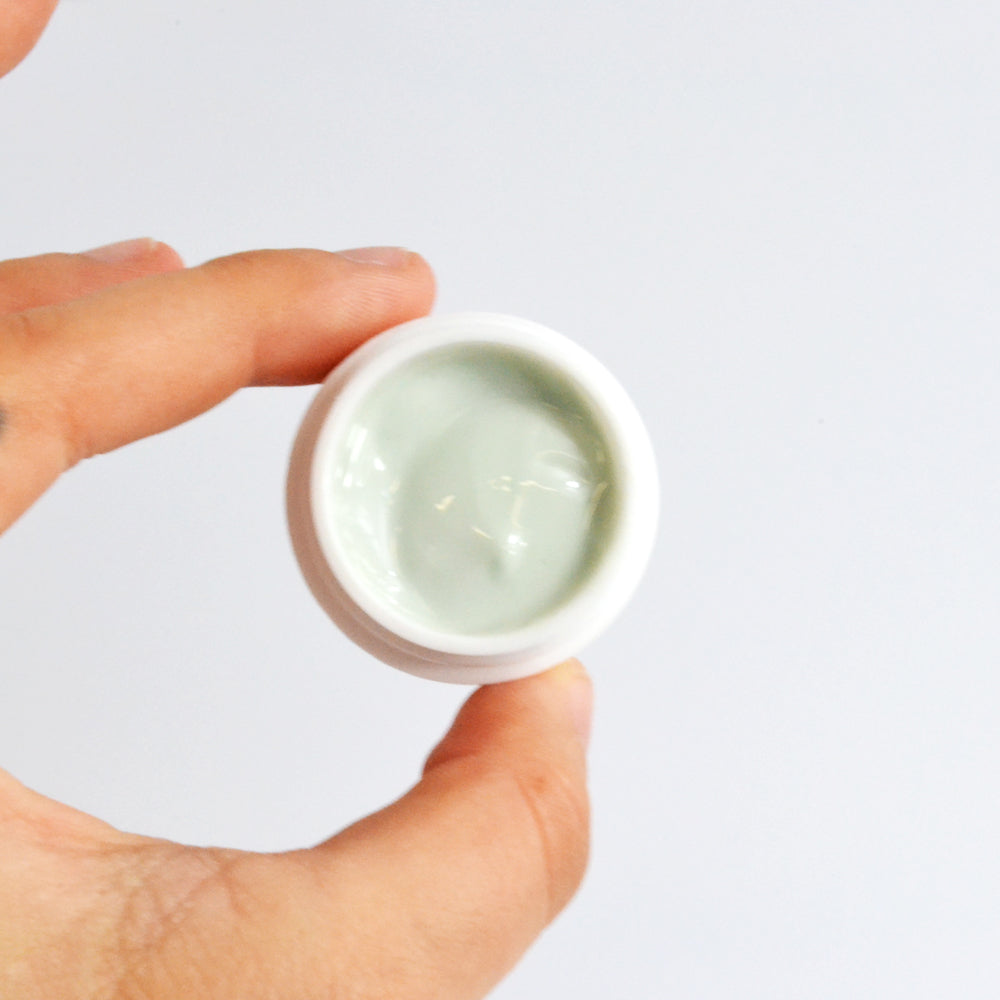
Manicouagan clay: a unique marine clay in the world, recognized by Health Canada
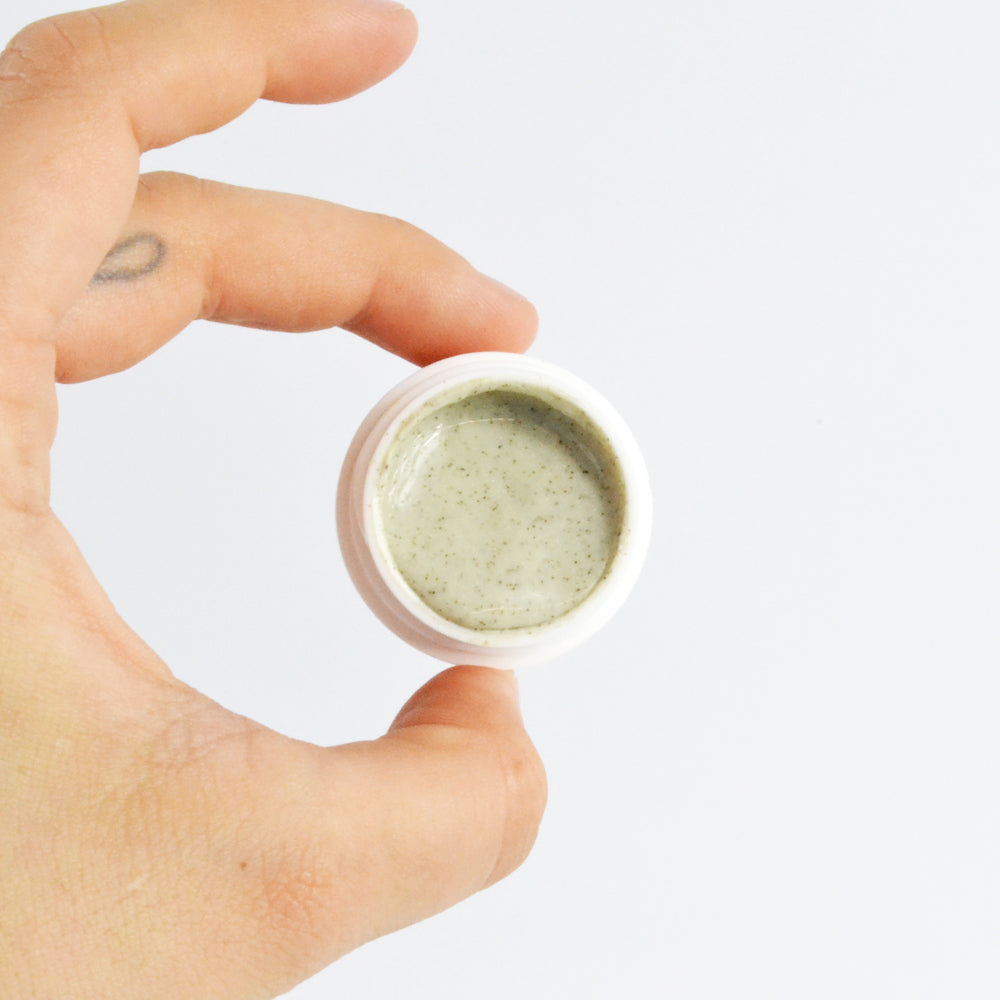
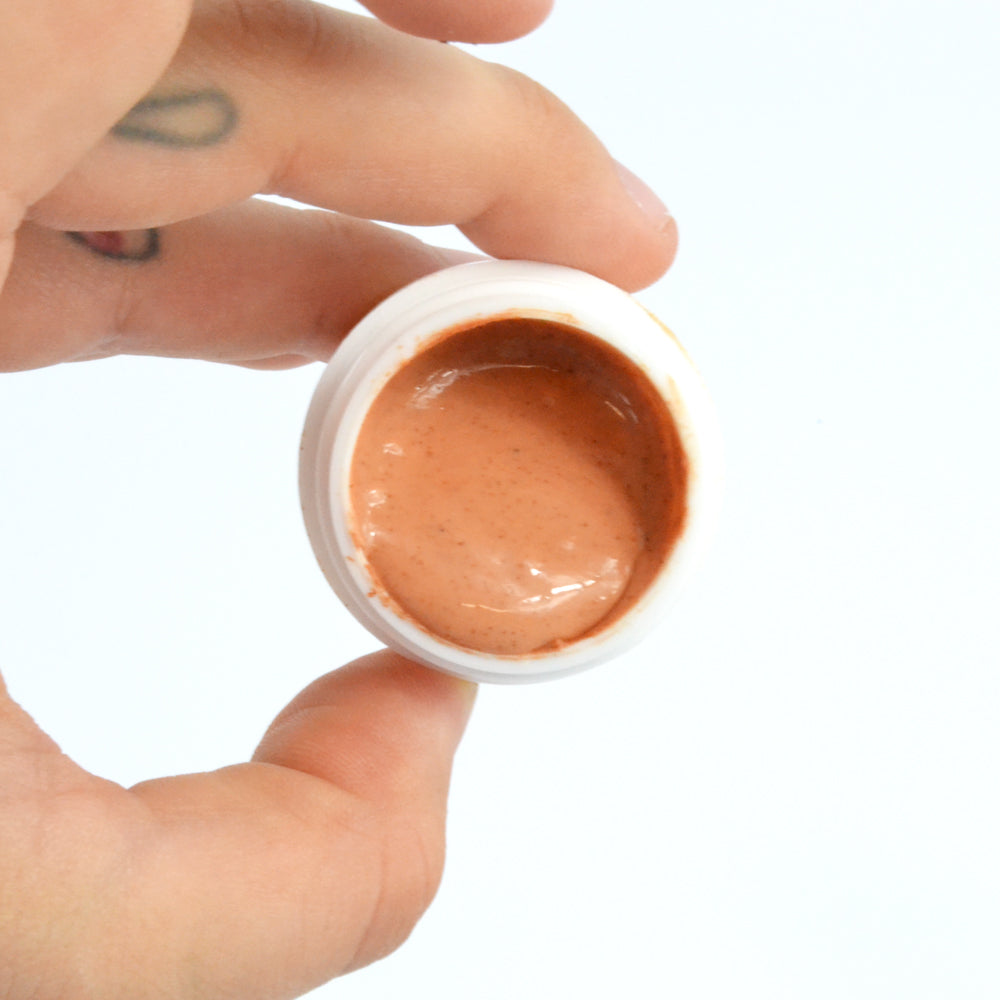
Manicouagan cosmetic clay comes from the Pointe-aux-Outardes region of Quebec. This sensitive marine clay is distinguished by its particular geological composition, derived from an ancient marine environment.
It has been used in products approved by Health Canada, making it a particularly credible ingredient in natural skincare.
Its richness in aluminum silicates, silica, and trace elements like sodium and potassium gives it interesting properties for the skin. It can act as a purifying, exfoliating, and remineralizing agent.
Unlike imported clays like green or white clay, it offers a certain versatility depending on the formulations. It can be suitable for different skin types depending on the formulation used.
It is found in masks, cleansers, and targeted treatments, where it helps purify the skin, can contribute to supporting healing, and, depending on the formulation, limit dehydration.
It is particularly suitable for oily or acne-prone skin but can also be used on dry or mature skin when combined with nourishing ingredients.
How to incorporate Manicouagan clay into a beauty routine?
Manicouagan clay is easily used as a mask.
A classic application consists of mixing two tablespoons of clay with one tablespoon of water or floral water. The mixture is then applied to the face for a few minutes before rinsing.
It can also be used as a poultice on certain body areas.
For oily skin, it is possible to add an oil like jojoba. For dry skin, a vegetable oil like argan provides more comfort.
Weekly use is usually sufficient to enjoy its benefits.
Balsam poplar: the resinous bud of the boreal forest in your skincare

Balsam poplar, or Populus balsamifera, is a tree typical of Quebec's humid regions, often found along rivers and marshy areas. Its buds are harvested in early spring when they are rich in resin.
Long used in traditional Indigenous medicine, particularly in the form of balm of Gilead, it was used to soothe inflammation and promote healing.
Its properties are based on a composition rich in flavonoids, salicin, phenolic compounds, and alpha-bisabolol. These elements are associated with soothing, repairing, and antioxidant effects.
In cosmetics, balsam poplar skin is valued for helping to support skin regeneration, protect the skin, and soothe irritations. It is found in balms, repairing creams, serums, and lip care.
It is particularly useful for skin weakened by external aggressions such as cold or wind.
An important precaution concerns people allergic to aspirin, due to the presence of salicin.
Balsam poplar: for which skin types and concerns?
Balsam poplar is particularly suitable for sensitive and reactive skin.
It is also often used for atopic skin or skin prone to frequent irritations. Its protective effect can make it an interesting ally for skin exposed to harsh climatic conditions.
It can be used on very dry areas such as lips, hands, or elbows.
It is also found in aftershave care or healing products.
What these ingredients tell us about the richness of Quebec's biodiversity
These ingredients illustrate the richness of northern biodiversity and the potential of boreal cosmetics. Quebec offers an ecosystem where plants can develop particular bioactive profiles, directly linked to their environment.
The question of ethical harvesting then becomes essential. Between wild harvesting and organic cultivation, practices must respect natural cycles and preserve resources.
First Nations knowledge plays a fundamental role in understanding these plants. It provides a valuable basis for modern approaches to formulation.
Traceability is also often considered an advantage of local Quebec cosmetic ingredients. It allows for precise knowledge of the origin of raw materials, unlike some imported extracts.
Finally, the use of seasonal and local ingredients is consistent with the standards of natural cosmetics, particularly in terms of sustainability and transparency.
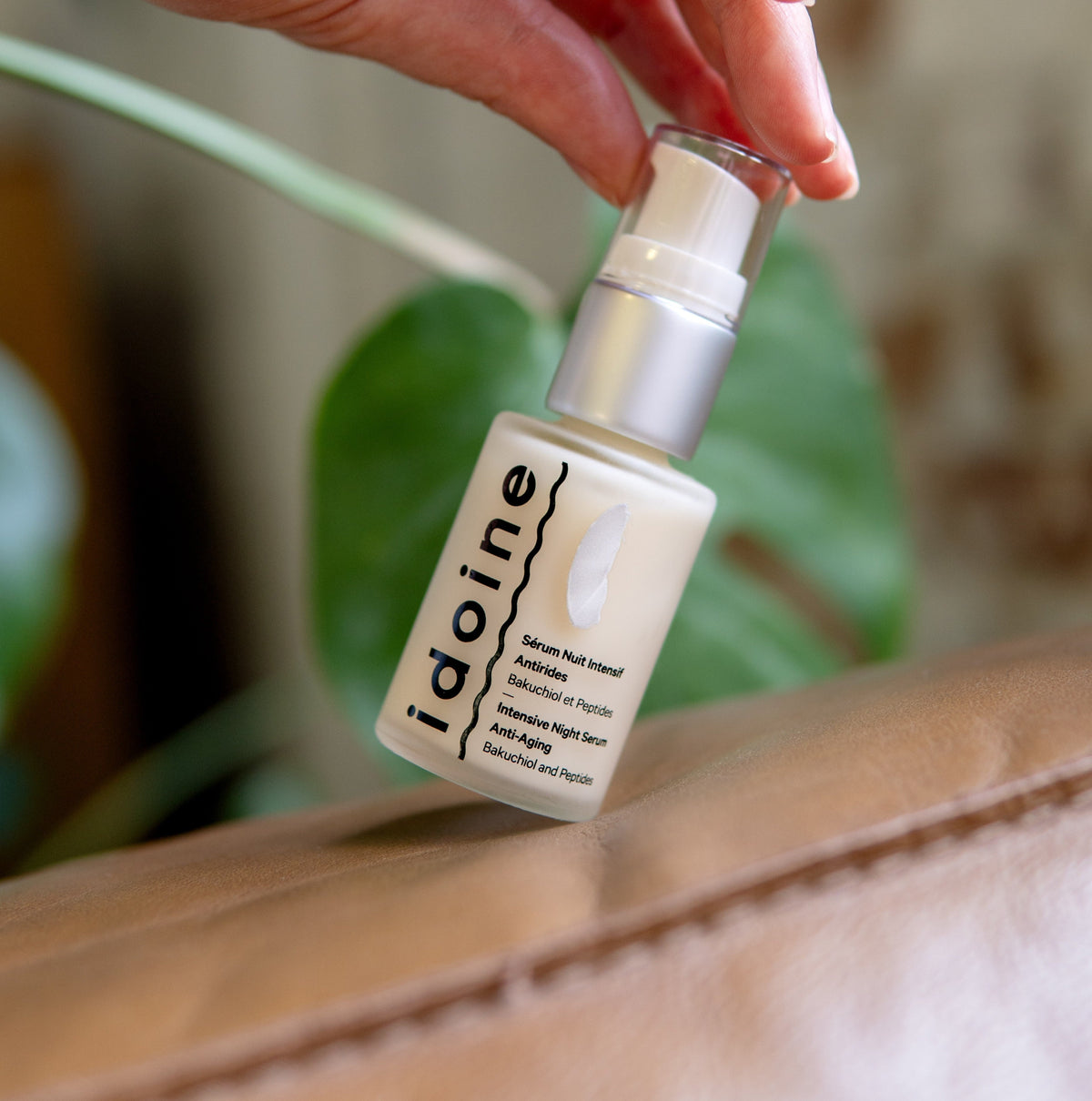
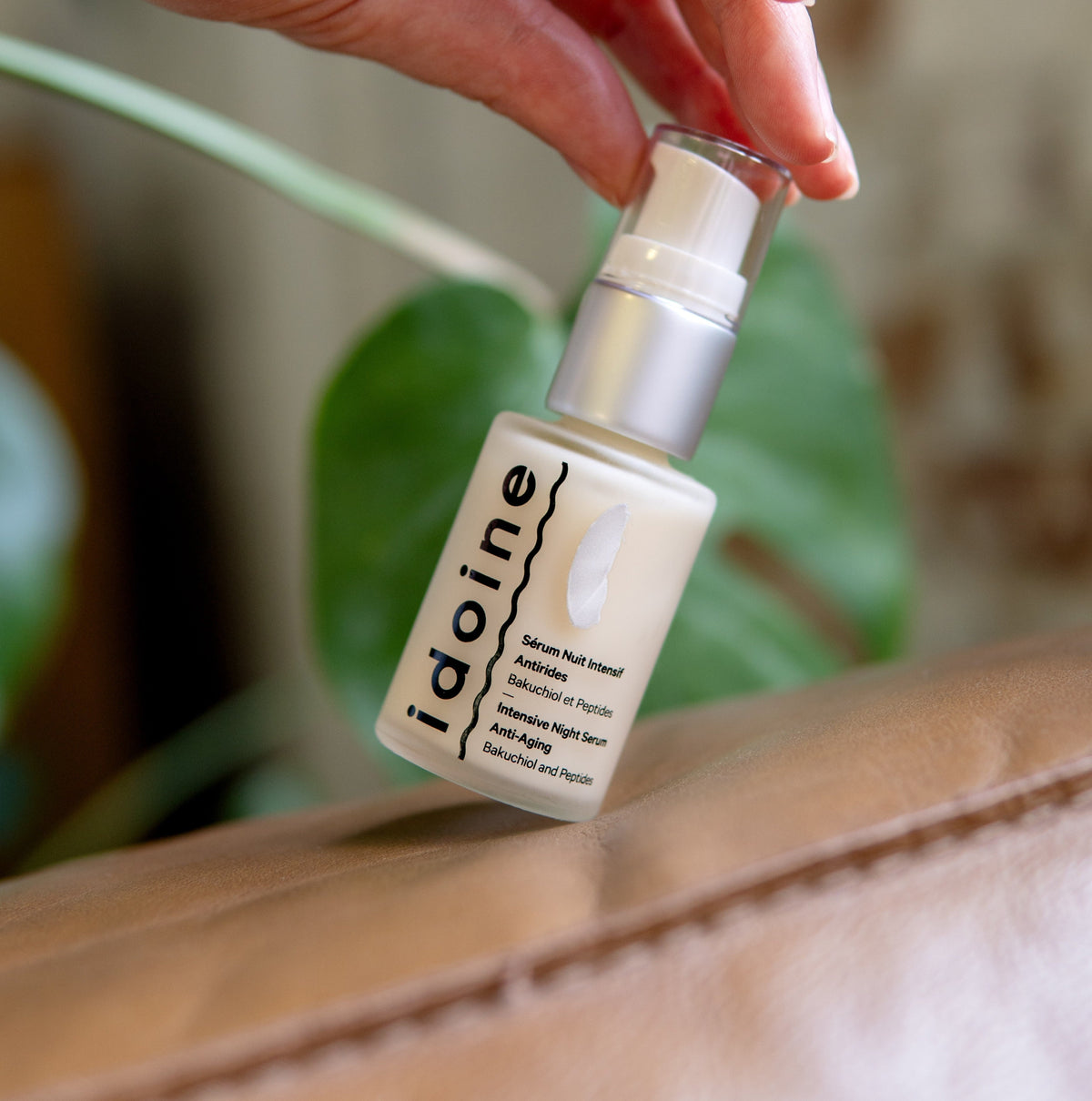
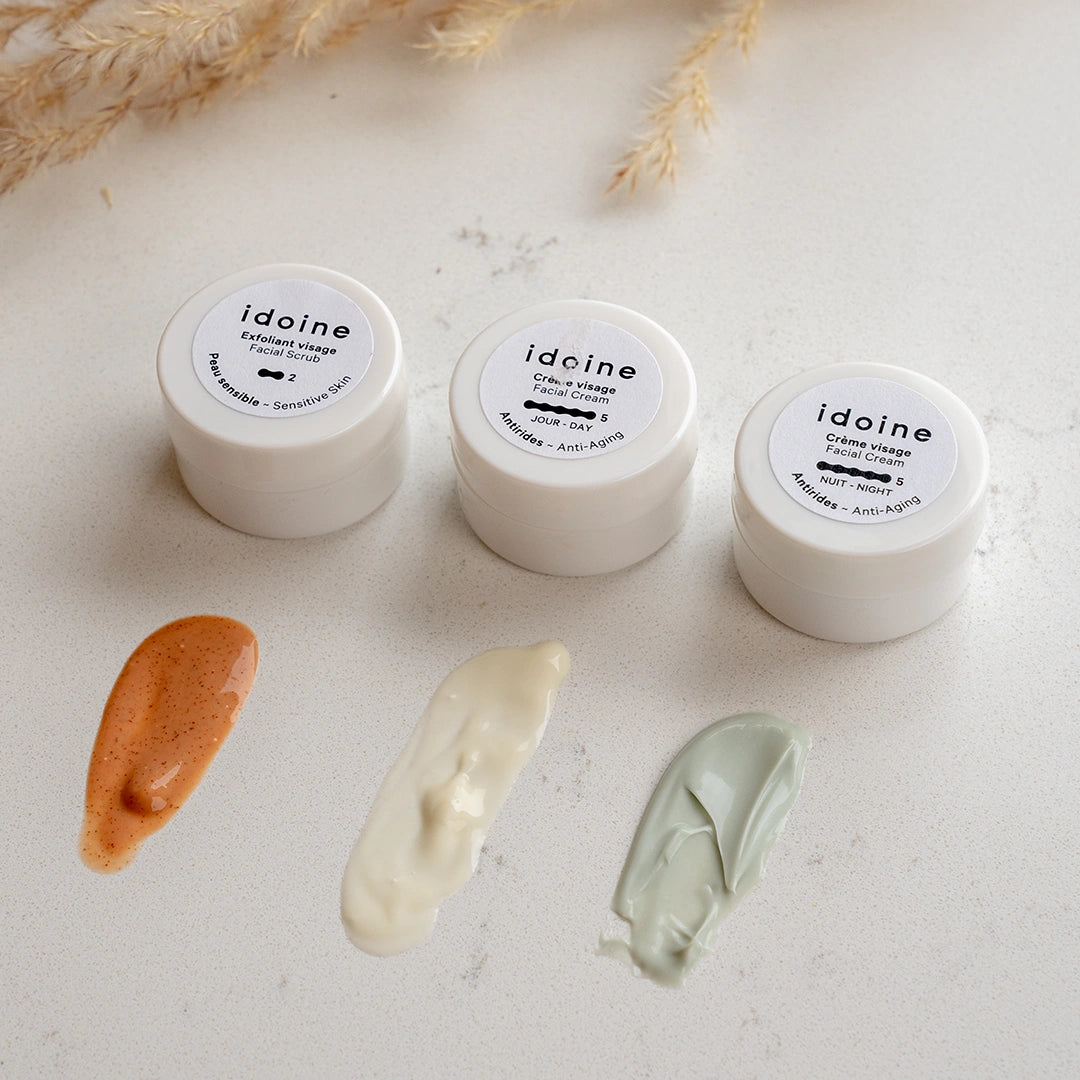
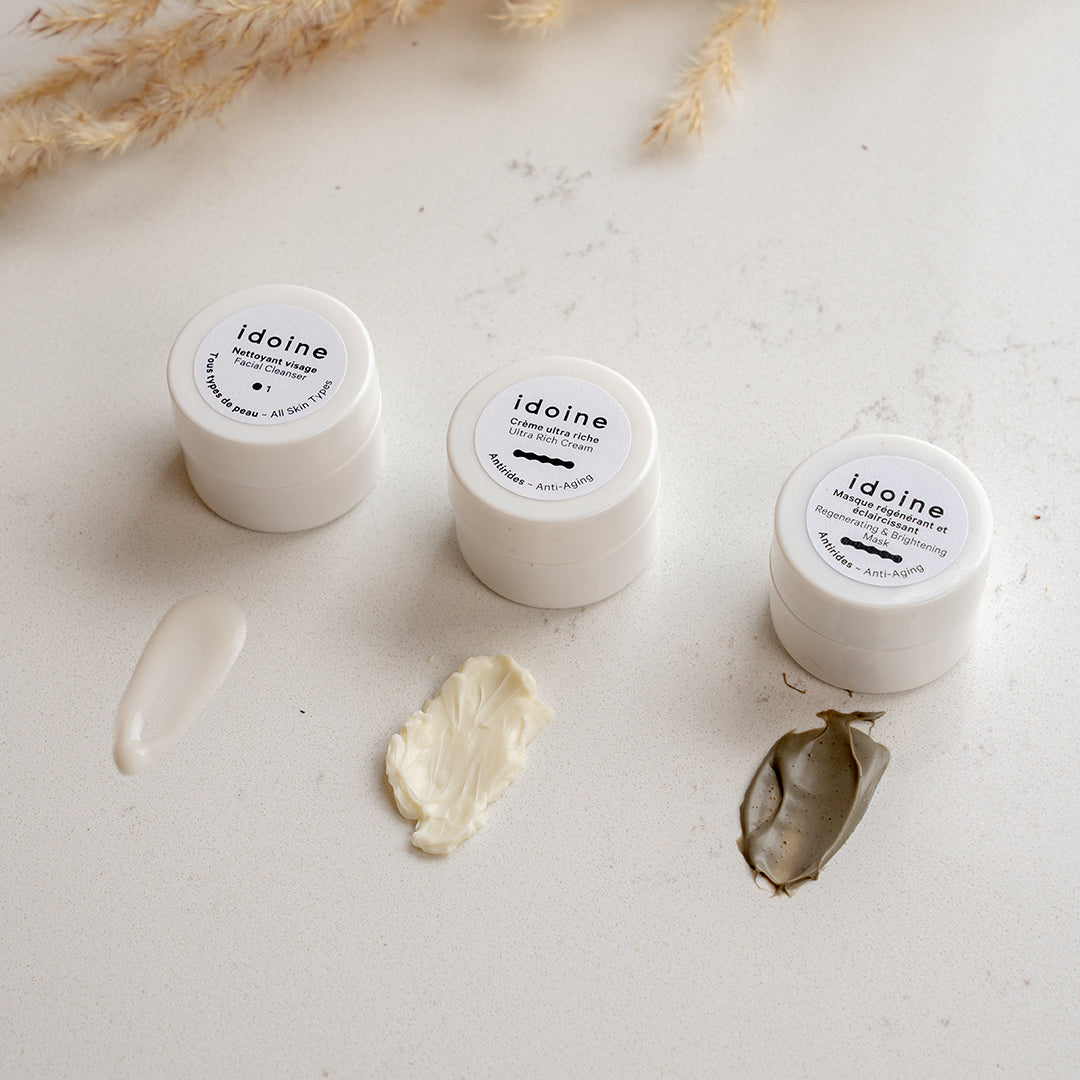
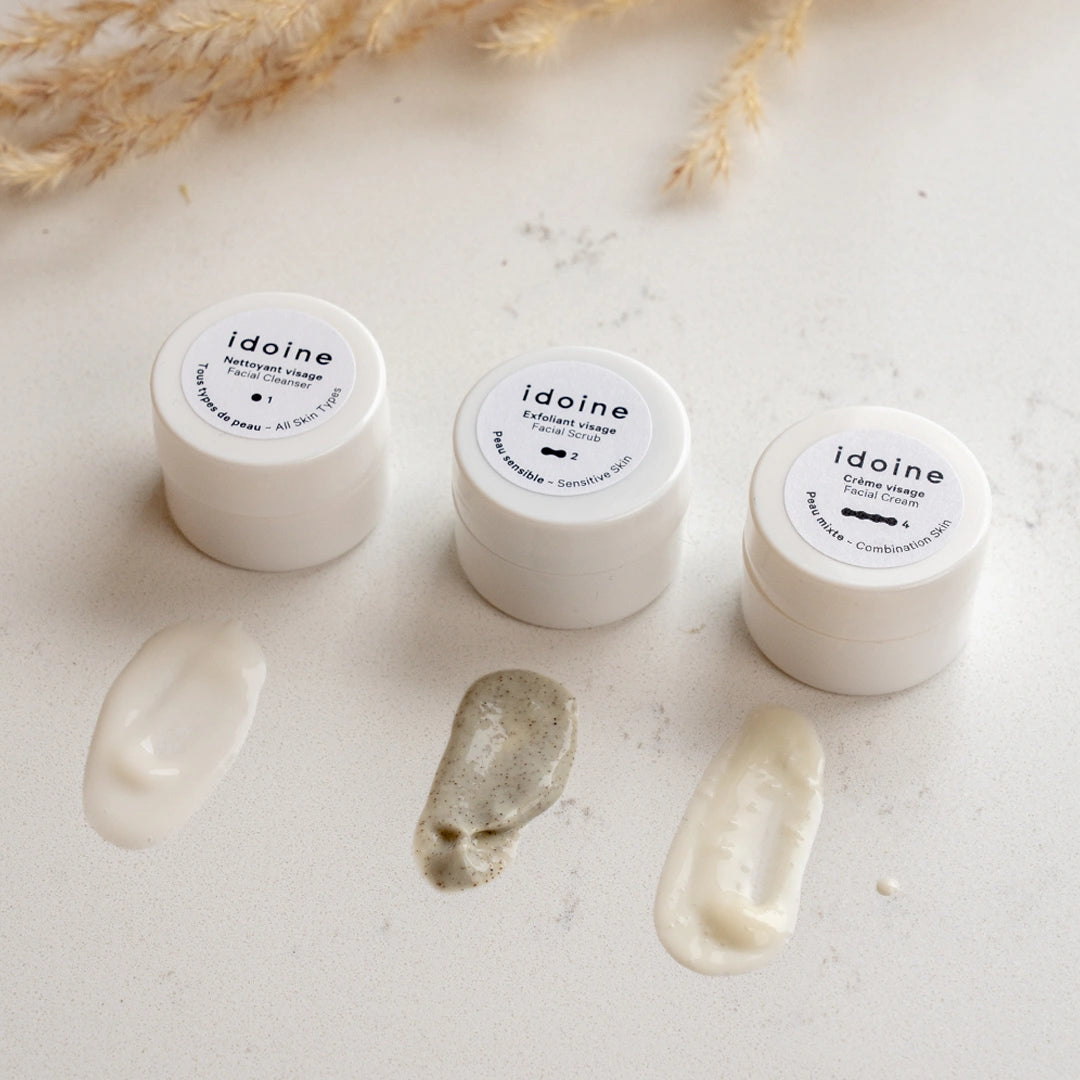
Idoine Bio and local ingredients: our approach to natural Quebec formulation
At Idoine Bio, the choice of ingredients is based on a clear desire to prioritize local sources, when possible and relevant. The use of ingredients from Quebec helps strengthen traceability and support a consistent approach to Quebec Vrai certified cosmetics.
However, formulating with boreal ingredients requires particular expertise. Seasonal availability, extract stability, and access to organic certifications represent concrete challenges.
These choices are directly linked to the expectations expressed by users, who are looking for transparent, effective, and values-aligned skincare.
Beyond the presence of an ingredient on a label, the issue lies in its concentration and its actual function in the formula. This requirement guides our approach to natural formulation.
How to choose cosmetics that truly use Quebec ingredients?
To identify genuine Quebec natural cosmetic products, it is essential to carefully read the INCI list.
Ingredients are listed in order of concentration. A plant extract mentioned at the end of the list is generally present in small quantities.
It is also important to distinguish an extract from a concentrated active ingredient. Not all ingredients are used at effective levels.
Recognized organic certifications in Canada, such as Quebec Vrai, provide a validation framework but do not always guarantee local origin.
Asking questions to brands can be useful. The origin of the ingredient, its harvesting method, and its concentration are key elements.
Certain signals should raise an alarm, particularly products that highlight a Quebec identity while mainly using imported ingredients.
Conversely, transparency about sourcing, a mention of seasonal harvesting, and consistency in formulation are positive indicators.
Frequently Asked Questions
What are the benefits of Labrador tea for the skin?
Labrador tea is often used for its antioxidant properties, which can help protect the skin from oxidative stress. It can also help improve the appearance of elasticity and provide a soothing effect, particularly appreciated by sensitive skin. Its use in cosmetics is associated with more comfortable and luminous skin. However, its effects depend on the formulation, concentration, and quality of the extracts used.
Does Manicouagan clay replace green clay?
Manicouagan clay has purifying properties comparable to those of green clay, but its mineral composition differs. It can be suitable for different skin types depending on the formulation, particularly due to its softer texture. It is used in approved products in Canada, which reinforces its credibility. However, it does not systematically replace green clay, as each type of clay has specific characteristics adapted to particular needs.
Is balsam poplar safe for all skin types?
Balsam poplar is generally well tolerated in cosmetics, particularly for its soothing properties. It can be suitable for sensitive or irritated skin, depending on the formulation. However, its salicin content requires precautions for people allergic to aspirin. A patch test is recommended before use, especially for reactive skin. As with any active ingredient, tolerance also depends on the concentration and individual skin sensitivity.
Can these ingredients be found in certified organic products in Quebec?
Yes, some certified organic products in Quebec incorporate boreal ingredients such as Labrador tea, Manicouagan clay, or balsam poplar. However, their presence depends on the brands and formulations. It is important to check the INCI list to confirm their position and concentration. Recognized organic certifications guarantee certain standards, but not necessarily the local origin of the ingredients used in cosmetic products.
Why would Quebec boreal ingredients be more effective than imported exotic ones?
Boreal ingredients are sometimes associated with high concentrations of bioactive compounds due to climatic conditions. However, this does not mean that they are systematically more effective than imported ingredients. Their performance depends on the formulation, stability, and their concentration in the final product. Their main advantage often lies in traceability, potential freshness, and consistency with a local and sustainable approach.