How to determine your skin type? The complete expert guide
Identifying your skin type seems simple, yet it's one of the most frequent questions in dermatology and natural cosmetics. Many people use unsuitable products simply because they don't know how to reliably and naturally determine their skin type.
Between dry, combination, oily, and normal skin, it can sometimes be difficult to figure out. Climatic variations, stress, hormones, pollution, or overly aggressive treatments all daily affect the skin's condition.
This comprehensive guide explains, step by step, how to determine your skin type, the signs observed by professionals, which home tests are truly relevant, a simple method for identifying your skin type to proceed with confidence, and how to choose natural skincare products according to your skin type, without resorting to chemical or invasive tests.

Why is it essential to know your skin type?
Even before looking for how to determine your skin type, it's important to understand why this step is fundamental in a skincare routine. Many people apply products haphazardly, without having carried out a natural and non-invasive skin type diagnosis, and end up exacerbating existing imbalances.
An overly purifying treatment can weaken already dry skin, while a too-rich texture can emphasize the shine of oily skin. Even combination skin, which combines several distinct areas, can be disrupted by poorly chosen formulas.
Conversely, when a simple method is adopted to identify one's skin type, the routine becomes more consistent. The skin gains comfort, stability, and resistance to external aggressions. Performing a reliable test to determine your skin type therefore allows for more appropriate choices, especially when wanting to choose natural skincare products according to your skin type.
The 4 major skin types: an essential reminder
To diagnose your skin type, it's necessary to understand the main categories recognized in dermatology:
Normal skin
Balanced, soft, comfortable, tight pores, no shiny areas.
This is the rarest skin type in adulthood.
Dry skin
Tightness, roughness, dehydration lines, dull complexion.
It lacks sebum and protective lipids.
Oily skin
Generalized shine, enlarged pores, thick texture, pimples or blackheads.
It produces too much sebum.
Combination skin
Shiny T-zone (forehead, nose, chin) + normal or dry cheeks.
This is the most common type.
When trying to determine one's skin type, it's normal to partially recognize oneself in several descriptions. This is why a home skin type test, based on observation, remains essential.
How to determine your skin type? The simplest expert method (30-minute home test)
To perform a reliable test to determine your skin type, here is a method widely used by professionals.
Step 1 — Cleanse your face
Use a gentle, non-stripping cleanser. No scrubs, no exfoliating brushes, no excessively hot water.
Step 2 — Wait 30 minutes
This time allows the skin to return to its natural state. This is the basis of a natural and non-invasive skin type diagnosis.
Step 3 — Observe how you feel
-
If the whole skin feels tight: dry skin
-
If the T-zone is shiny but the cheeks feel tight: combination skin
-
If the whole skin is shiny: oily skin
-
If the skin remains comfortable and soft: normal skin
Step 4 — Look at the texture
The fineness or thickness of the skin provides additional clues:
-
Thin skin → tends towards dry skin
-
Thick skin → tends towards oily skin
Step 5 — Analyze reactions
Redness, stinging, discomfort = weakened skin barrier. This often happens with dry or combination skin.
This at-home skin type test relies on observing the skin's natural reactions and provides consistent indications.
Visual signs to refine the diagnosis
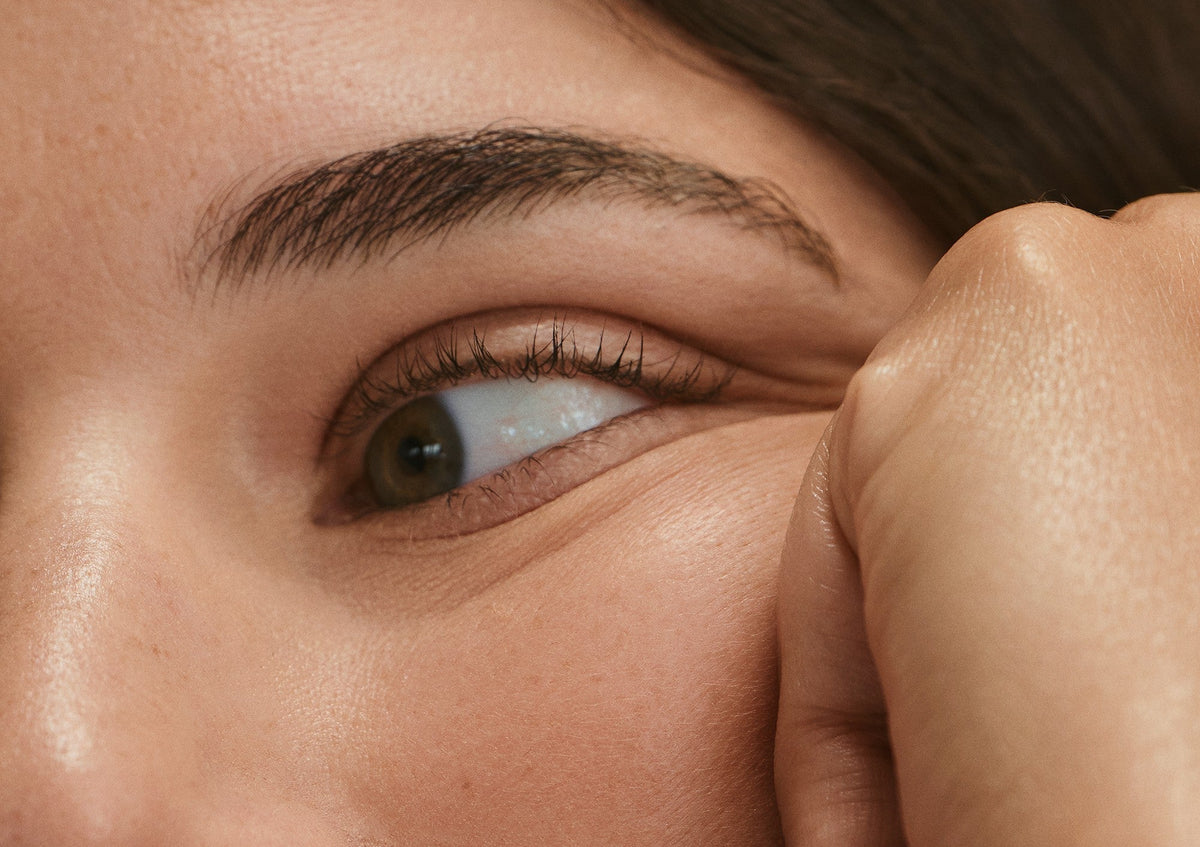
Even after a reliable test to determine your skin type, it is useful to observe certain visual signs to refine the diagnosis of your skin type. Professionals rely on texture, shine, pore size, and reaction to external aggressions to accurately recognize skin type.
Dry skin often has a duller complexion and finer texture. Oily skin reflects more light, with visible pores. Combination skin alternates between matte and shiny areas, while normal skin maintains balanced luminosity.
Texture, shine, pores: three key indicators
The general texture of the skin provides immediate information. Very thin skin often tends to dehydrate, while thicker skin generally indicates increased sebum production. Shine manifests differently depending on the skin type: localized only on the T-zone for combination skin, diffused for oily skin, almost absent for dry or normal skin.
Pores are another valuable indicator. Tight, less visible pores are often associated with normal or dry skin. Conversely, enlarged pores, particularly around the nose or cheeks, indicate higher sebaceous activity.
Color, relief, and complexion uniformity
Another element observed in a skin type diagnosis is how the skin reflects light. Dry skin will tend to have a duller, sometimes slightly lifeless complexion. Oily skin reflects light but excessively, creating an unwanted shine. Normal skin, on the other hand, offers balanced luminosity. Combination skin alternates between matte and shiny areas, making assessment more subtle.
Facial relief also provides useful information: early fine lines on dry skin, a more uneven texture on oily skin, contrasting areas on combination skin.
Reactions after cleansing and exposure
Experts also observe what happens immediately after cleansing. Skin that feels tight or reddens instantly often indicates a weakened skin barrier, typical of dry or combination skin. Skin that becomes shiny very quickly after a simple routine suggests oily skin. Skin that remains comfortable without reacting often indicates a normal skin type.
Even the reaction to cold, wind, or heating can help improve your skin type diagnosis. Dry skin shows more signs, oily skin remains supple, combination skin alternates between discomfort and shine, while normal skin remains stable.
Can a dermatologist tell your skin type?
Many wonder: “Can a dermatologist tell my skin type?”
The answer is yes—but with nuances.
A dermatologist can:
-
Assess your skin's thickness,
-
analyze sebum production,
-
spot signs of inflammation,
-
identify barrier imbalances,
-
diagnose pathologies (eczema, rosacea, dermatitis).
However, for a simple skin type diagnosis, a dermatologist will use the same criteria detailed in this guide: visual analysis, texture, shine, comfort, reaction to treatments.
In other words:
You can learn to recognize your skin type at home almost as accurately as in a consultation, provided you use the right method.
Common mistakes during a skin type test

Performing a skin type test at home might seem simple, but many factors can skew the results if a few precautions aren't taken. To achieve a true diagnosis of your skin type and fully understand how to determine it, it's important to avoid certain very common mistakes. These alter sensations, skin texture, and even its appearance, thereby preventing a reliable result. Here are the most frequent ones and how to correct them.
Using harsh products before the test
This is the number one mistake. An overly aggressive cleanser brutally removes the skin's natural lipids, creating an artificial feeling of tightness. The skin can then appear dry, even when it isn't truly so. A harsh product can also trigger an overproduction of sebum in some people, making the skin shinier than normal.
For a precise and reliable test to determine your skin type, it is essential to use a gentle cleanser that respects the hydrolipidic film and does not disturb the natural balance. Without this, it becomes impossible to accurately recognize your skin type.
Exfoliating multiple times a week
Exfoliants, even natural ones, should be used sparingly. In excess, they remove not only dead cells but also part of the protective barrier. The result: the skin becomes thinner, more sensitive, and appears drier than it actually is.
This temporary sensitivity can lead to errors during a skin type diagnosis, giving the impression that the skin lacks lipids or hydration. To avoid this, it is advisable to wait several days after an exfoliation before performing a home test, to allow the skin to return to its natural state.
Relying solely on imperfections
Pimples, blackheads, and micro-inflammations are not enough to determine a skin type. Dry skin can develop imperfections when irritated, and oily skin can be deeply dehydrated, which also causes pimples.
Relying solely on imperfections prevents learning to recognize one's skin type reliably. What really matters is the overall set of signs: shine, texture, comfort, pore size, dry or oily areas, and reaction to treatments.
Believing that skin type changes every week
This belief is very widespread, but mistaken. What changes regularly is the skin's condition, not its type. It is influenced by weather, heating, stress, hormones, applied treatments... One day, the skin may be shinier, another day drier, but its basic type remains the same.
Confusing condition and type completely skews your skin type diagnosis. To get a reliable result, you need to observe the skin at a neutral moment, away from temporary irritations.
Relying on chemical tests or aggressive patches
Some methods claim to determine skin type using absorbent patches or chemical tests. In reality, these techniques can irritate the skin, disrupt natural sebum, or create a temporary imbalance. They do not reflect the philosophy of a gentle and respectful analysis necessary for a reliable skin type test.
A sensory approach—observing texture, shine, sensations—is not only more respectful but also much more representative of the skin's actual state. This is how one can truly learn to recognize one's skin type.
Natural diagnosis: how to analyze your skin with Idoine Bio skincare
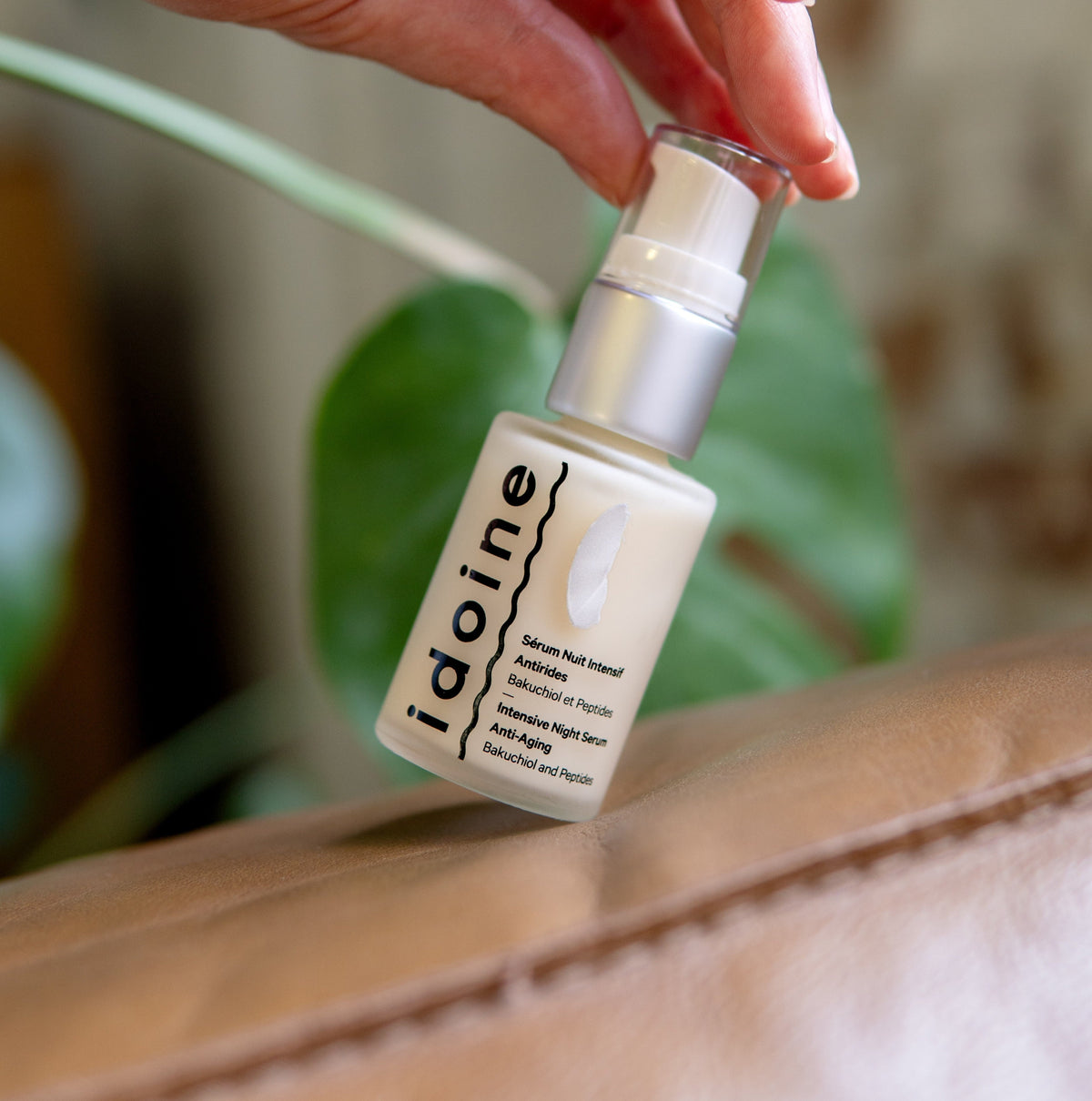
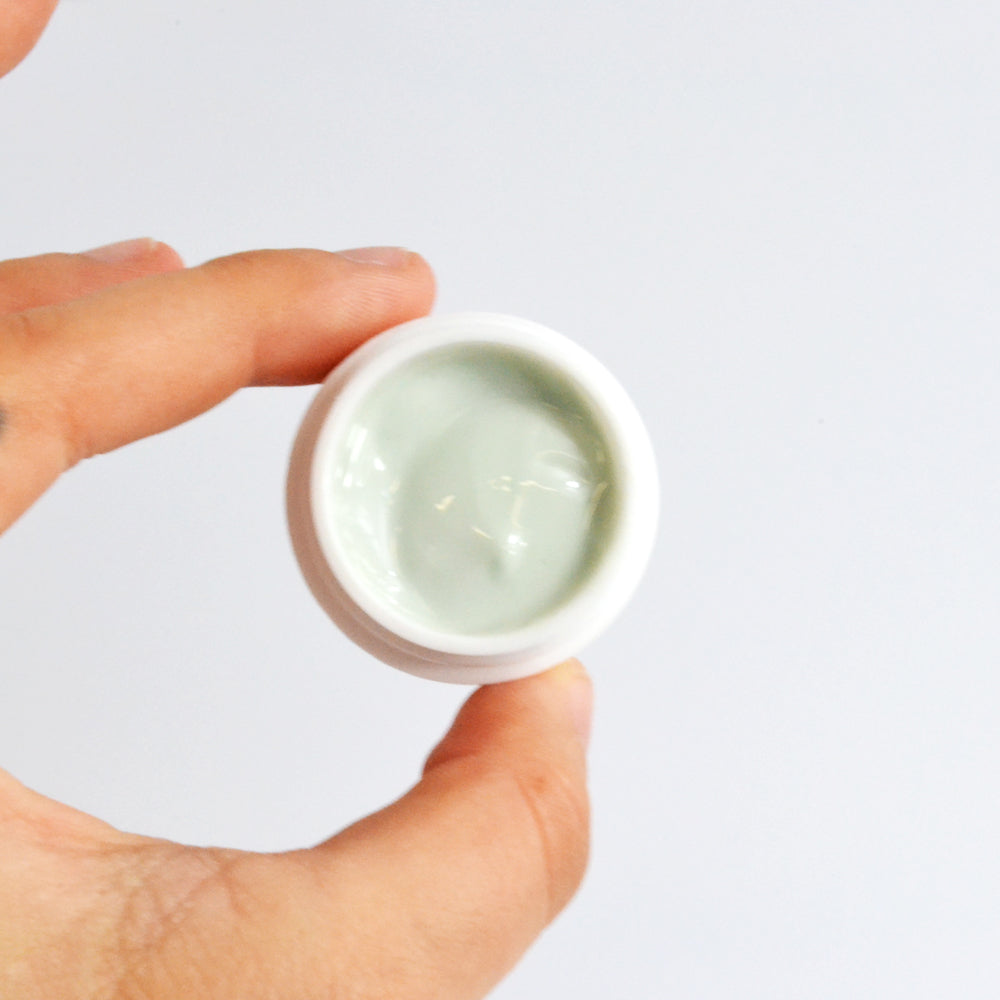
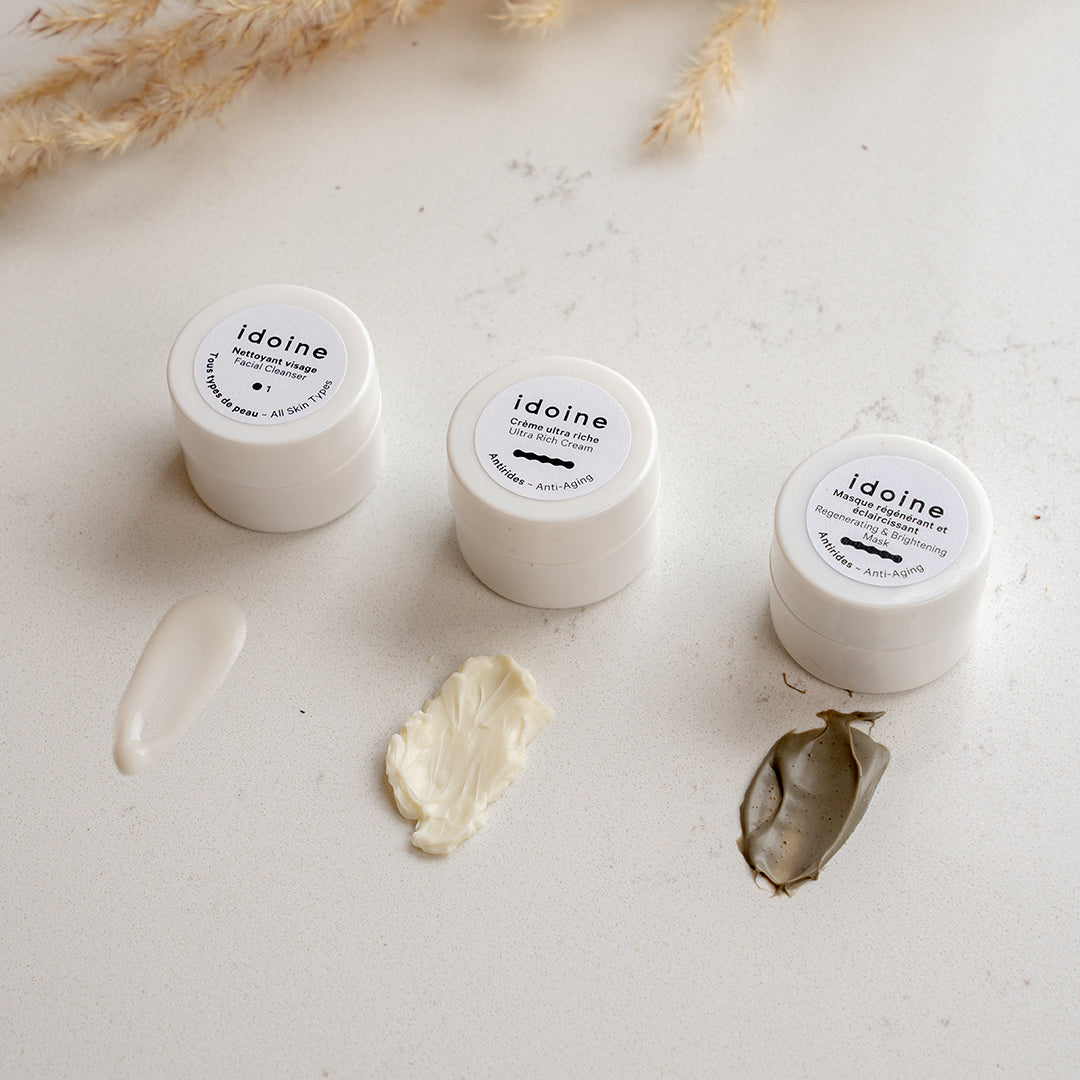
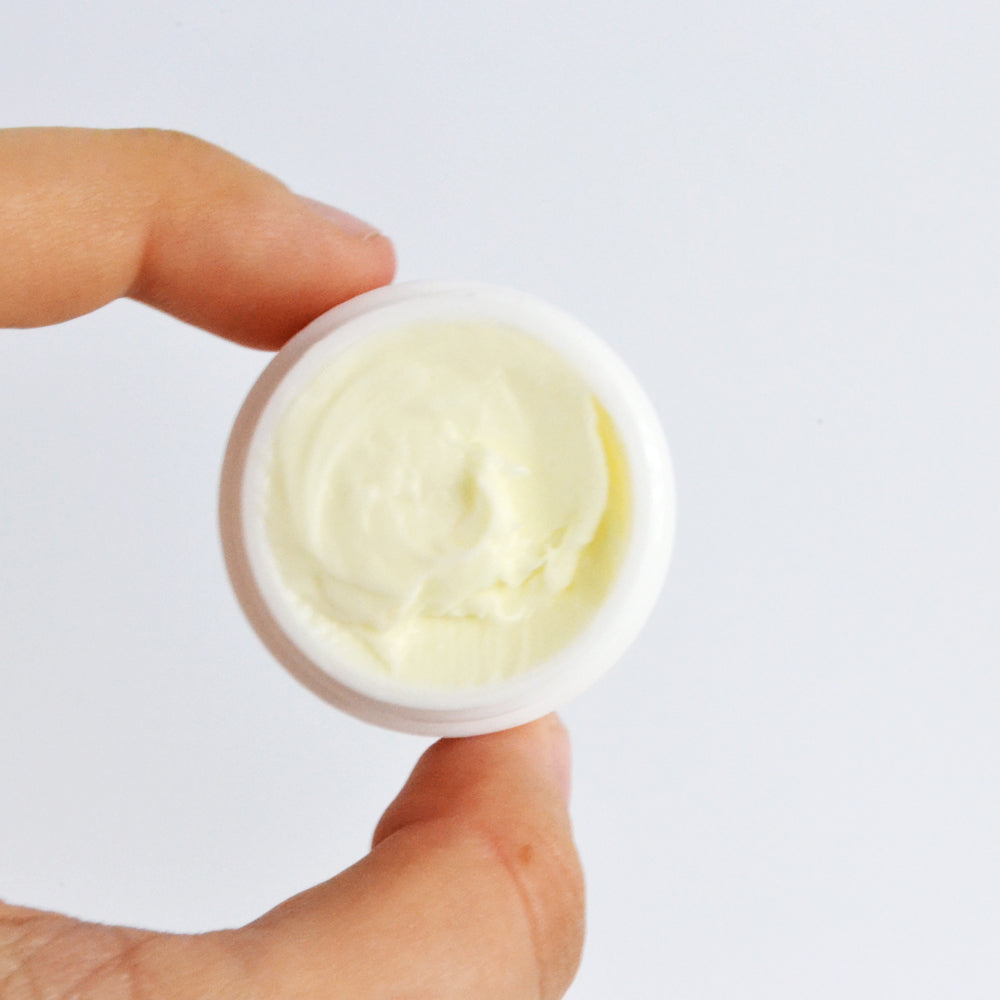
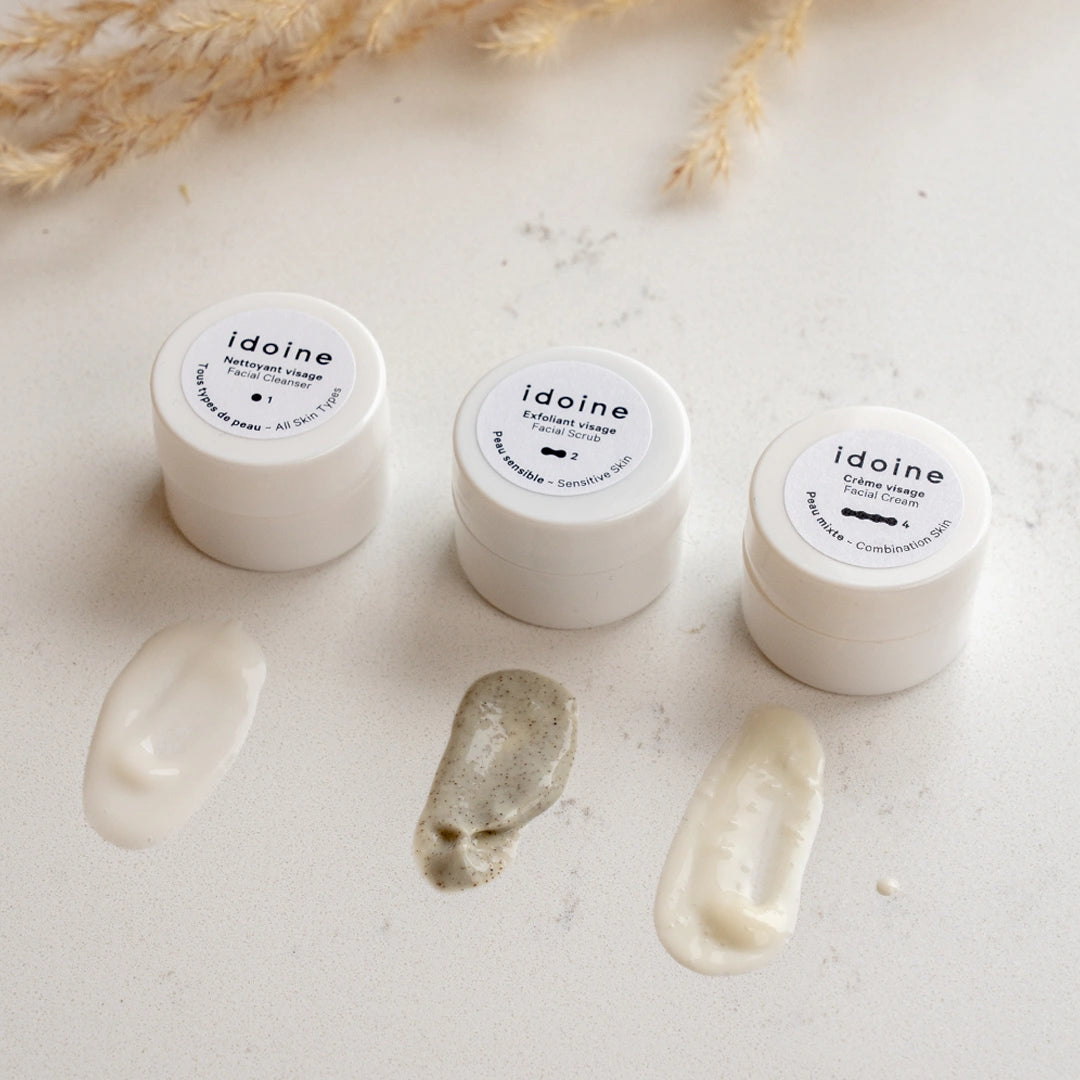
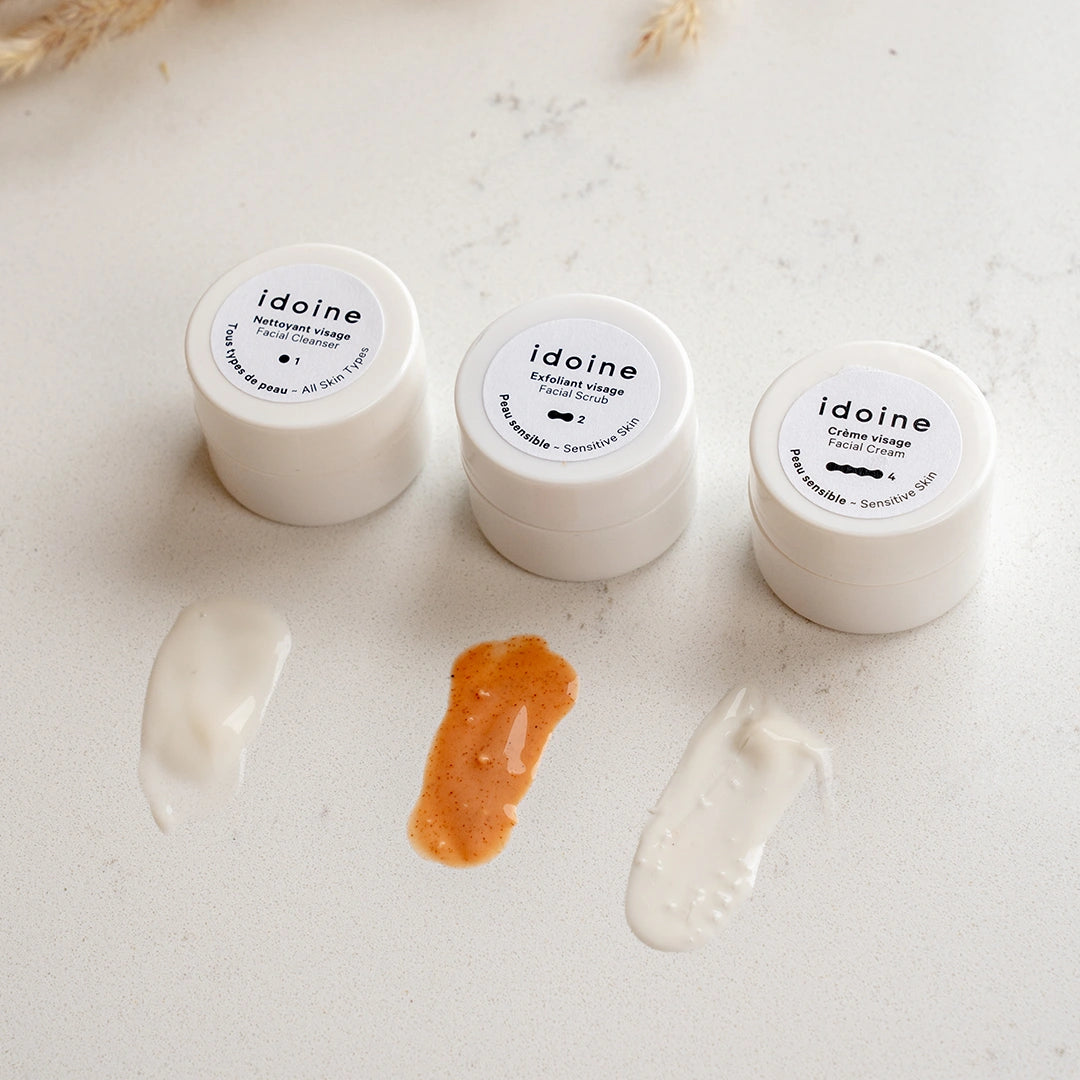
Idoine Bio products are designed to respect the skin's natural balance. Their botanical composition helps reveal your skin's true behavior—an excellent complement to the at-home skin type test.
Here's how your reactions to natural skincare can help refine your skin type diagnosis:
If your skin immediately absorbs the cream
→ Tendency towards dry skin
If your skin remains shiny after a light treatment
→ Tendency towards oily skin
If the T-zone reacts differently from the cheeks
→ Tendency towards combination skin
If your skin remains supple and comfortable
→ Tendency towards normal skin
Idoine Bio's natural formulas (creams, serums, vegetable oils, lotions) reveal the skin's authentic behavior, without disrupting its physiology.
Which natural skincare to choose according to your skin type? (Idoine Bio Recommendations)

This section respects all Idoine Bio guidelines (ecology, natural ingredients, discovery formats, no mention of returns).
For dry skin
Choose textures rich in plant lipids and antioxidants.
Ideal for restoring the protective barrier.
For oily skin
Favor fluid, light, non-occlusive treatments.
Oily skin needs balance, not aggression.
For combination skin
Combine a gentle purifying treatment on the T-zone + light hydration on the cheeks.
A multi-zone routine is often ideal.
For normal skin
Opt for a simple, soothing, protective routine.
Balanced skin should be gently maintained.
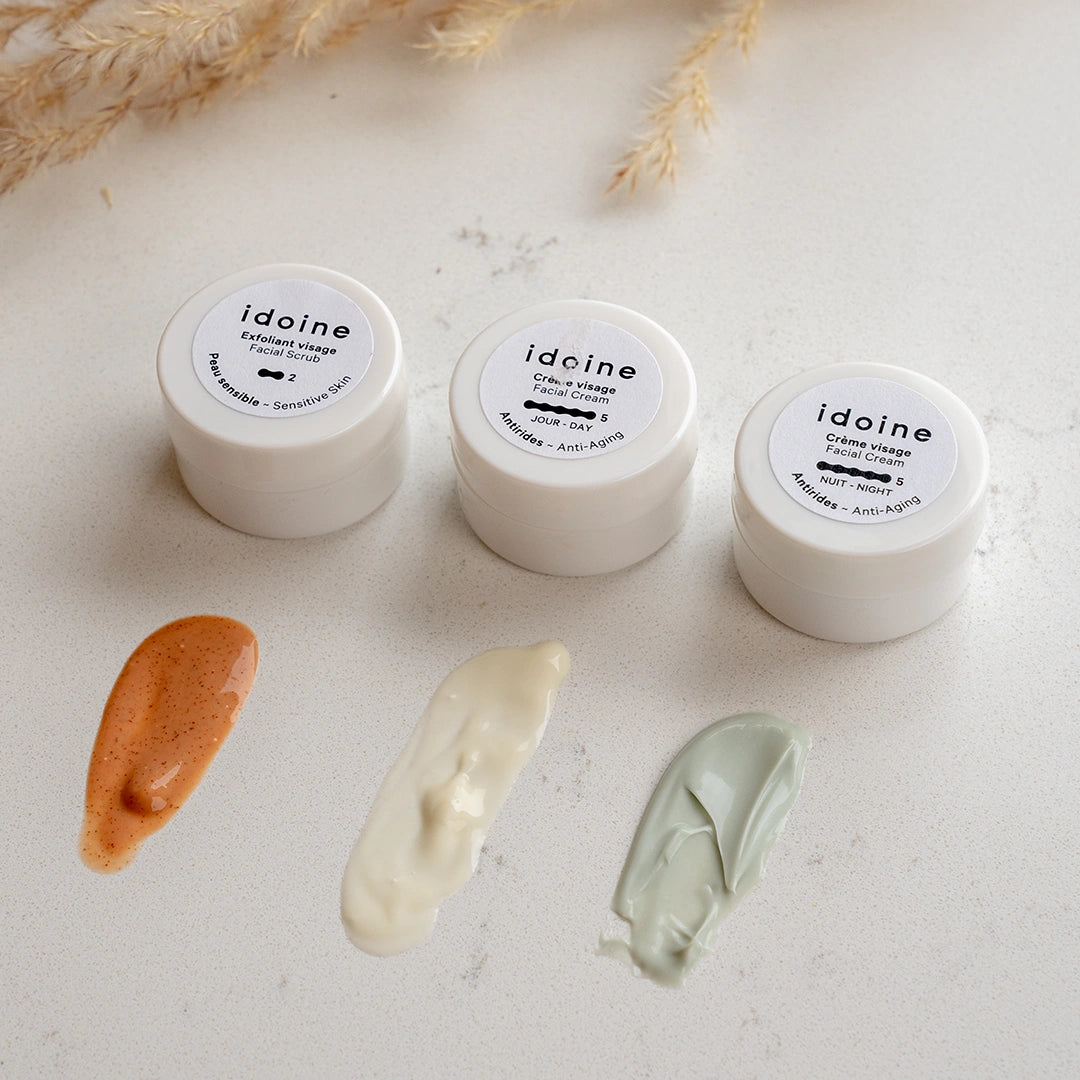
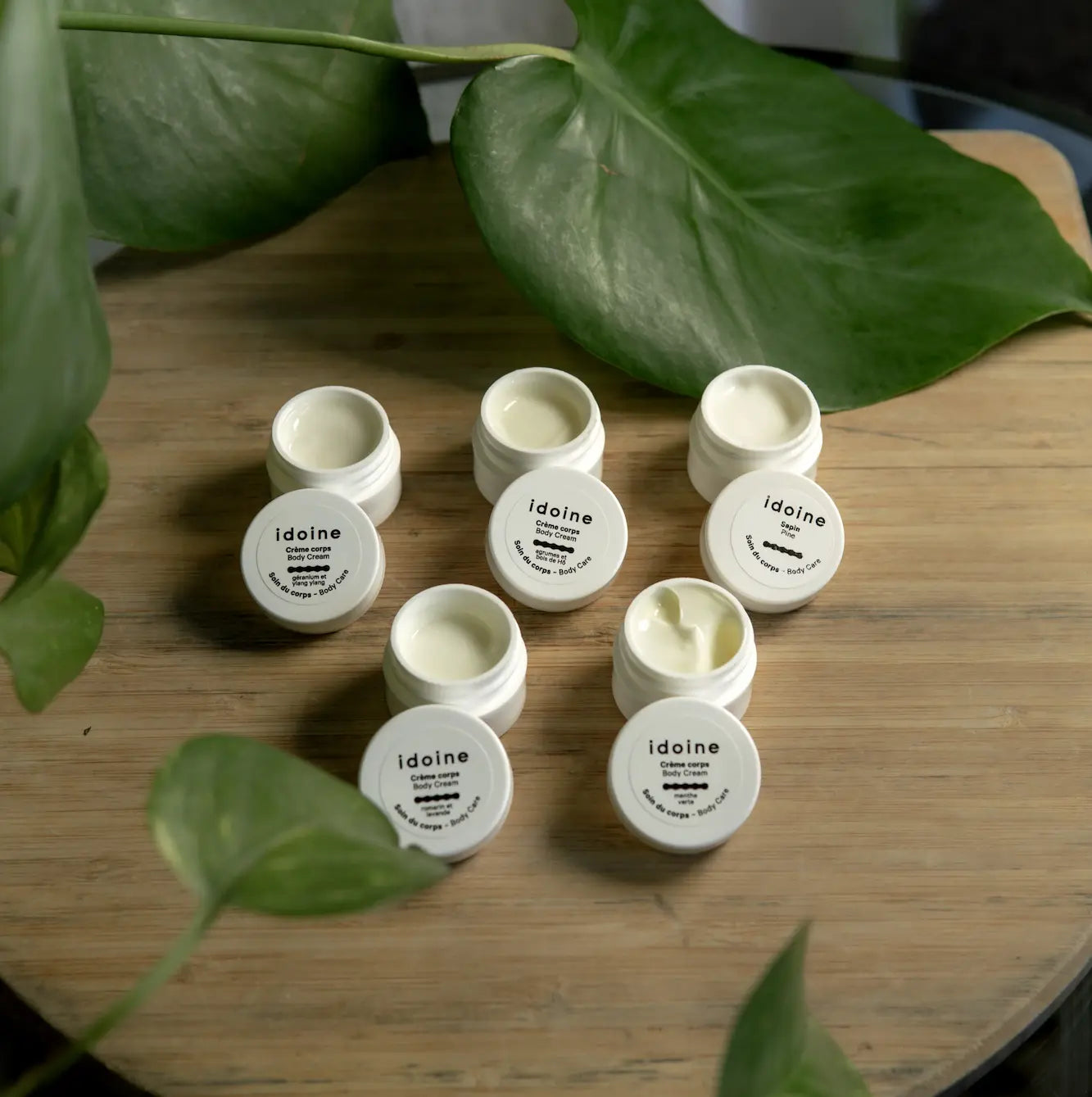
Idoine Bio offers discovery formats, perfect for testing each product before opting for the regular version — an ecological and practical choice.
Conclusion: how to know your skin type? A reliable, gentle, and natural method
To summarize, how do you know your skin type?
-
Observe the shine
-
Analyze the texture
-
Do a 30-minute skin type test
-
Study your reactions to natural skincare
-
Understand the visual signs specific to each type
-
And, if necessary, get confirmation from a dermatologist
Thanks to this gentle, accessible, and skin-friendly method, it is possible to perform a simple and accessible diagnosis of your skin type, following an adapted method — without chemical tests or invasive devices.
And with natural skincare products like those from Idoine Bio, it becomes easier to balance, repair, and enhance every skin type, day after day.
FAQ
How do I know what my skin type is?
To know your skin type, there is a simple and reliable method you can do at home. Start by cleansing your face with a gentle product, then wait about thirty minutes without applying any cream. This is a reliable test to determine your skin type and allows you to observe your skin's natural state, without influencing it with rich textures or concentrated active ingredients. If it feels tight, you probably have dry skin. If the T-zone is shiny but not the cheeks, you have combination skin. If your entire face is shiny, it's oily skin. If everything remains comfortable, you can recognize your skin type as normal. Repeat this test in a different season if your environment changes a lot.
How to do a good skin type diagnosis?
A successful diagnosis of your skin type combines observation, sensations, and reaction to skincare. After gentle cleansing, allow the skin to return to its natural state, then assess shine, texture, comfort, and thickness. This is a reliable test to determine your skin type, helping you to determine if your skin is dry, combination, oily, or normal, but it gains accuracy if you also take into account your reactions in the hours that follow: tightness, redness, shiny areas, more visible pores. You can also observe how the skin reacts to natural skincare (rapid absorption, persistent shine, sensitivity, or uniformity). These clues help to learn how to recognize your skin type without chemical tests or irritating devices, while respecting the skin's balance.
Can a dermatologist determine my skin type?
Yes, a dermatologist can determine your skin type, but they often use similar criteria to those of a home diagnosis. They observe sebum production, skin thickness, the presence of redness, imperfections, and the condition of the skin barrier. The diagnosis of your skin type made during a consultation can be particularly useful if you experience persistent discomfort (irritation, patches, frequent reactions) or if you suspect a condition that requires medical advice. However, for most people, a simple, non-invasive test is sufficient to learn how to recognize their skin type. The key is to correctly observe shine, texture, comfort, and avoid harsh products before evaluation.
Is there a reliable test to know your skin type?
Yes, the 30-minute skin type test is one of the most reliable and accessible methods for determining your skin type. It involves cleansing your face with a gentle product, then waiting without applying any products to observe your skin's natural state. The diagnosis is based on sensations (tightness, comfort), shine, texture, and reaction to natural skincare. This skin type diagnosis works for all ages and requires no special equipment: it relies on simple but consistent signs that can be compared over time. To maximize reliability, perform it at a "neutral" time (no recent exfoliation, no irritation, no harsh masks). It's an excellent skin type test to do at home.