Eczema, Redness, and Inflammation: Understanding the Skin Barrier to Better Soothe the Skin
Persistent redness, burning sensations, itching, or dry patches are part of the daily life of many people with skin prone to eczema or chronic inflammation. These discomforts are not just superficial: they are often a sign of a weakened skin barrier.
Understanding the role of this barrier and learning how to support it helps to restore more comfortable, stable, and better-protected skin, while limiting premature aging.
What is the skin barrier?
The skin barrier is the outermost layer of the skin. It acts as a natural shield that:
- Protects the skin against external aggressions
- Limits water loss
- Regulates inflammatory reactions
When this barrier is intact, the skin is supple and comfortable. When it is damaged, the skin becomes drier, more reactive, and more vulnerable.
Why eczema and redness are linked to a weakened barrier
In skin prone to eczema or chronic redness, the skin barrier contains fewer protective lipids. This leads to:
- Faster water evaporation
- Increased penetration of irritants
- Persistent inflammation
Factors that aggravate skin inflammation
Several daily factors can further weaken the skin barrier:
- Harsh or scented cleansers
- Very hot water
- Climatic variations and dry air
- Stress
- Overly active or unsuitable skincare
How to support and repair the skin barrier
A few simple principles can make a real difference:
- Prioritize gentle cleansing
- Provide lipids to strengthen the skin's structure
- Limit sources of irritation
- Maintain a simple and consistent routine
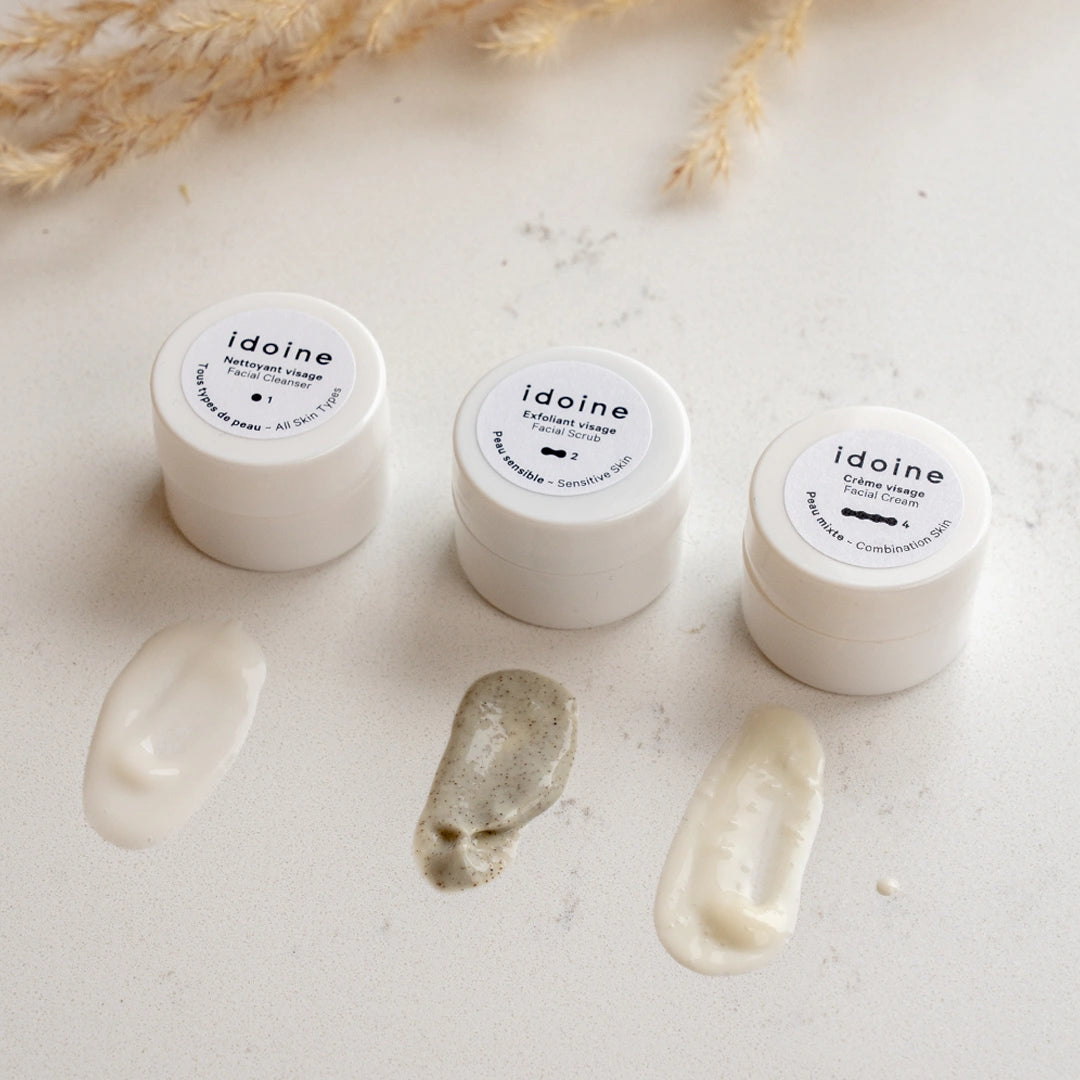
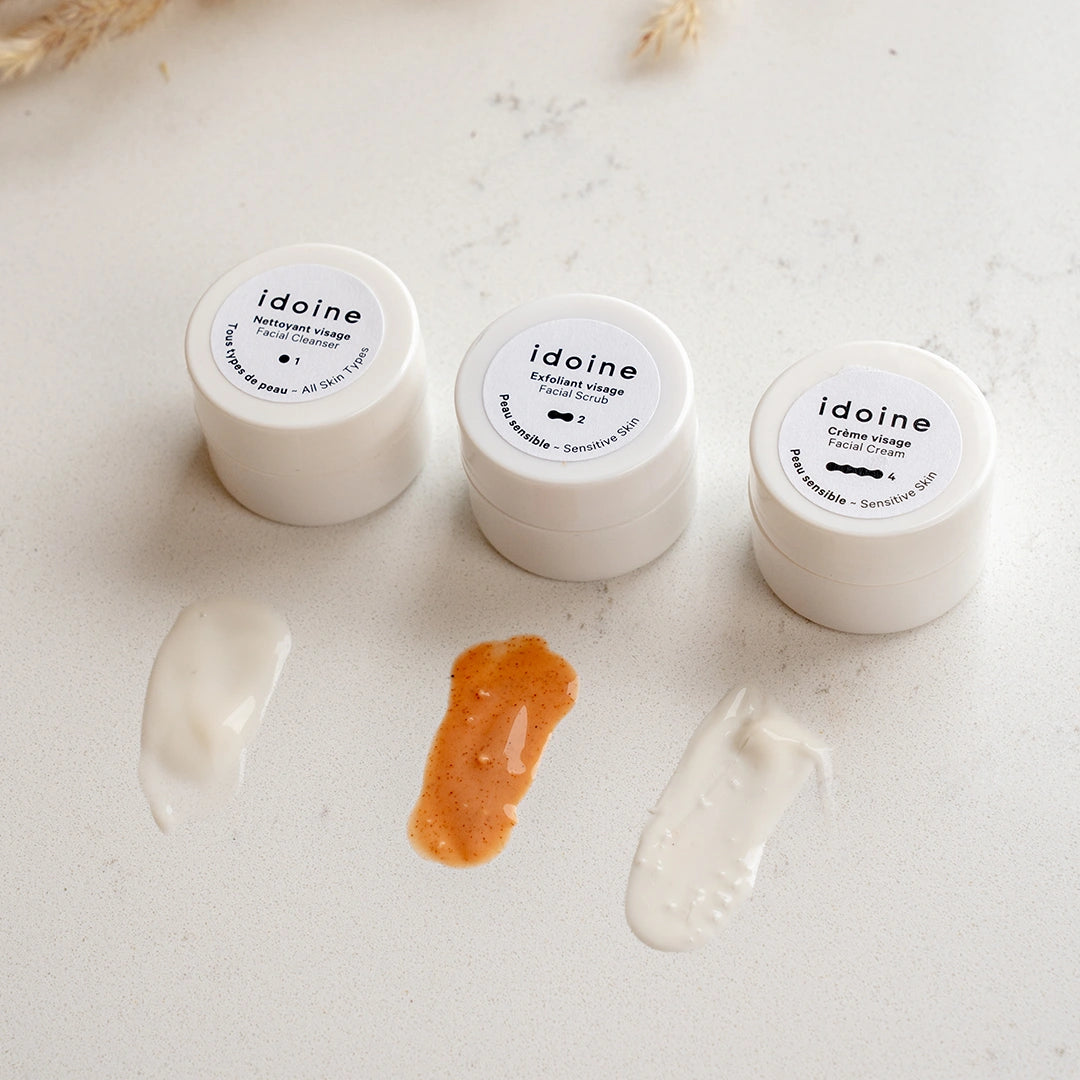
With this in mind, Idoine Bio's sensitive skin range has been developed to meet the needs of reactive skin, prone to redness and inflammation, by focusing on soothing and respecting the skin barrier.
Gentle exfoliation: a gesture often misunderstood
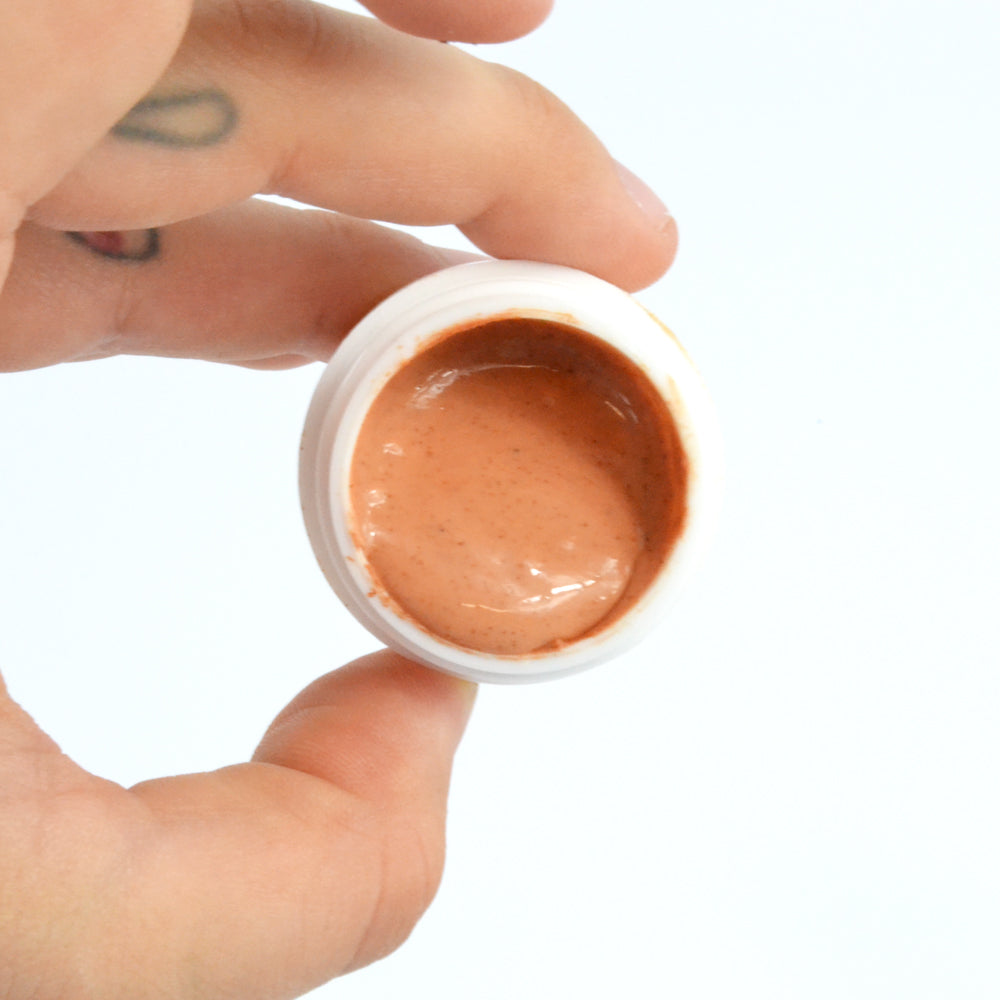
When you have sensitive or eczema-prone skin, exfoliation may seem counter-indicated. However, very gentle and occasional exfoliation, when well-formulated, can be beneficial.
- Gently remove dead cells
- Limit the accumulation of dry skin
- Improve the absorption of soothing skincare products
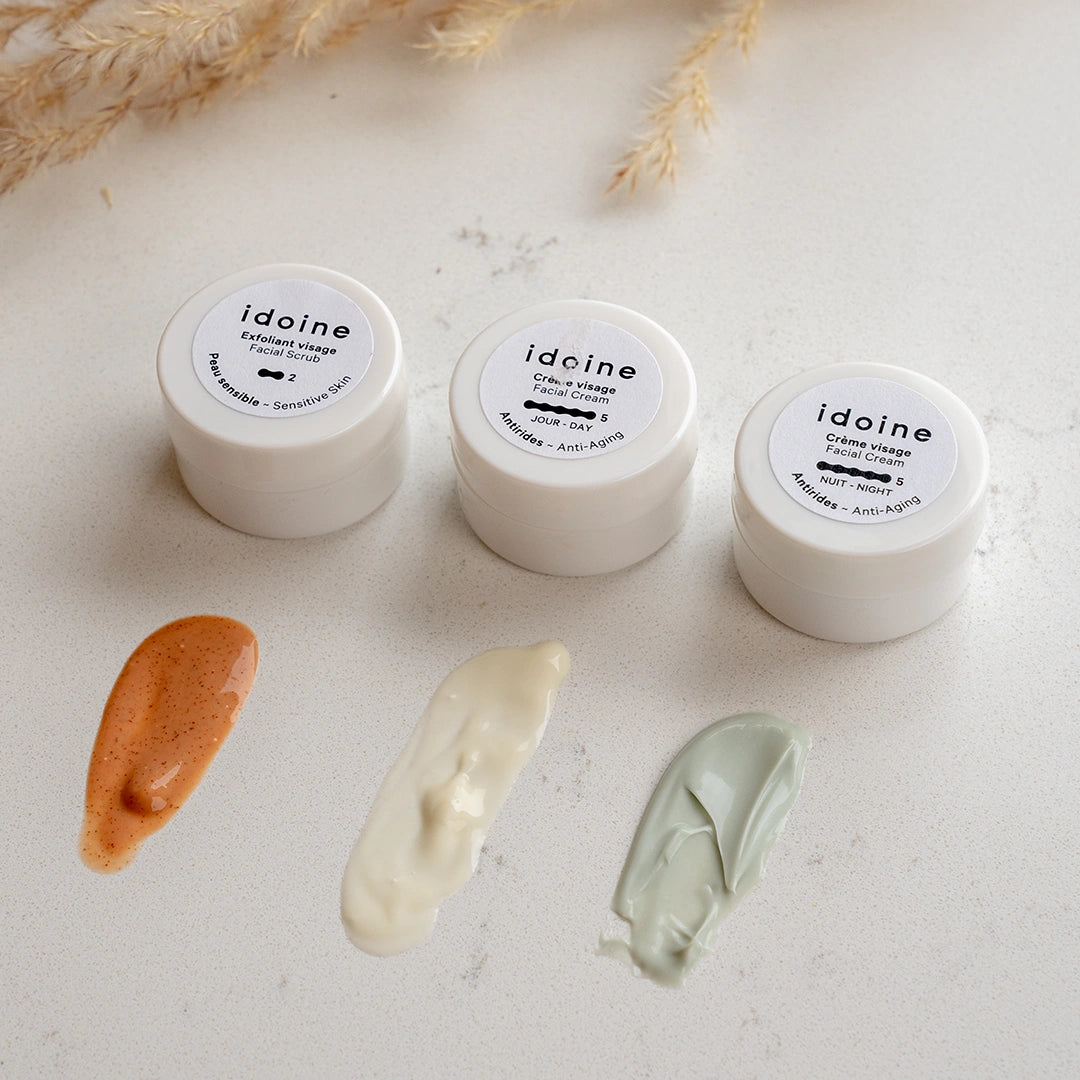
The sensitive skin exfoliant can be used daily, always gently.

Why night is a key time for sensitive skin
At night, the skin regenerates more actively and loses more water. It is therefore a strategic time to apply products capable of calming inflammation and supporting the skin barrier.
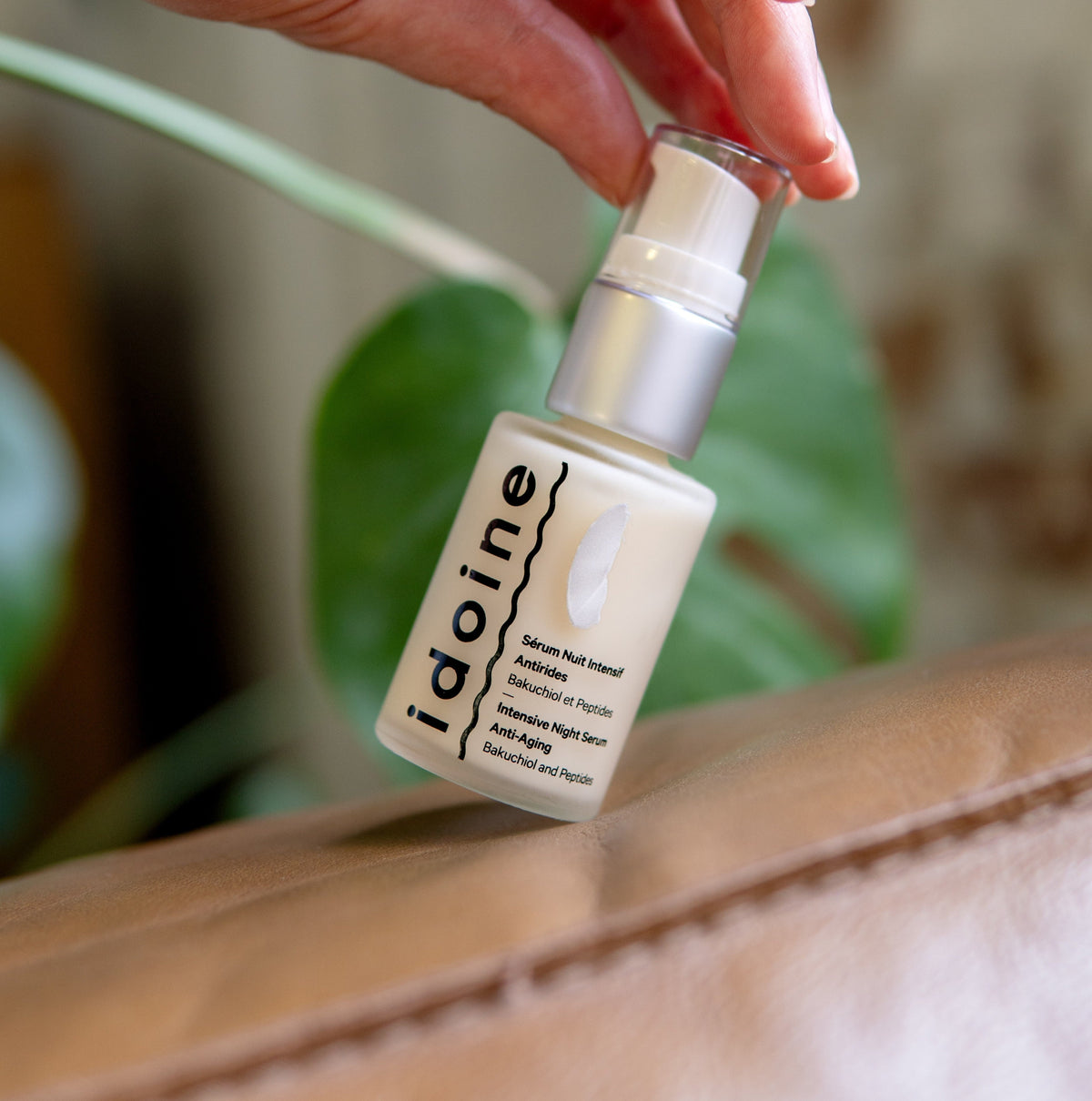
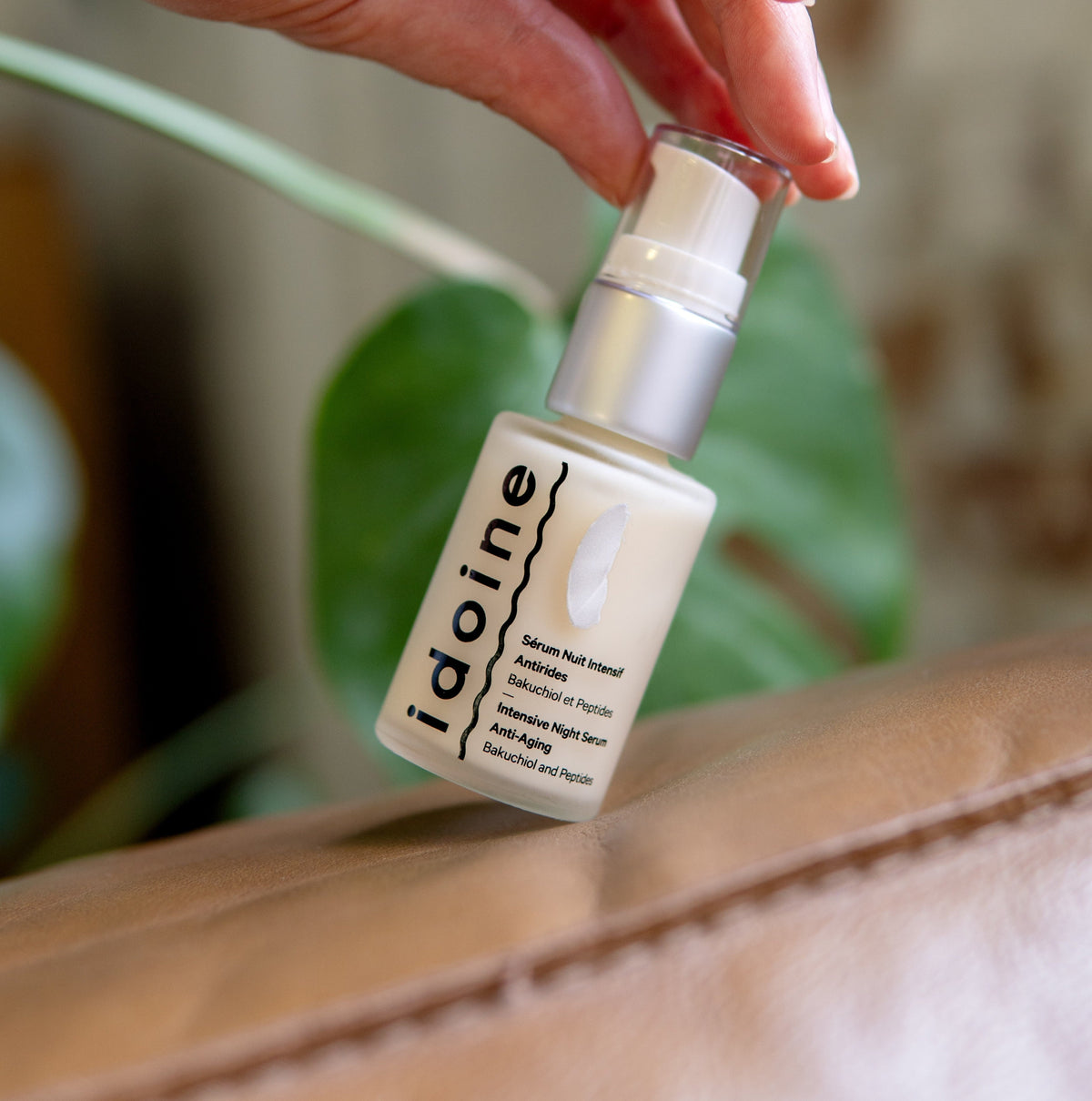
The soothing night serum from the sensitive skin range helps reduce redness, burning sensations, and discomfort during sleep.
When sensitive skin also needs a powerful anti-inflammatory
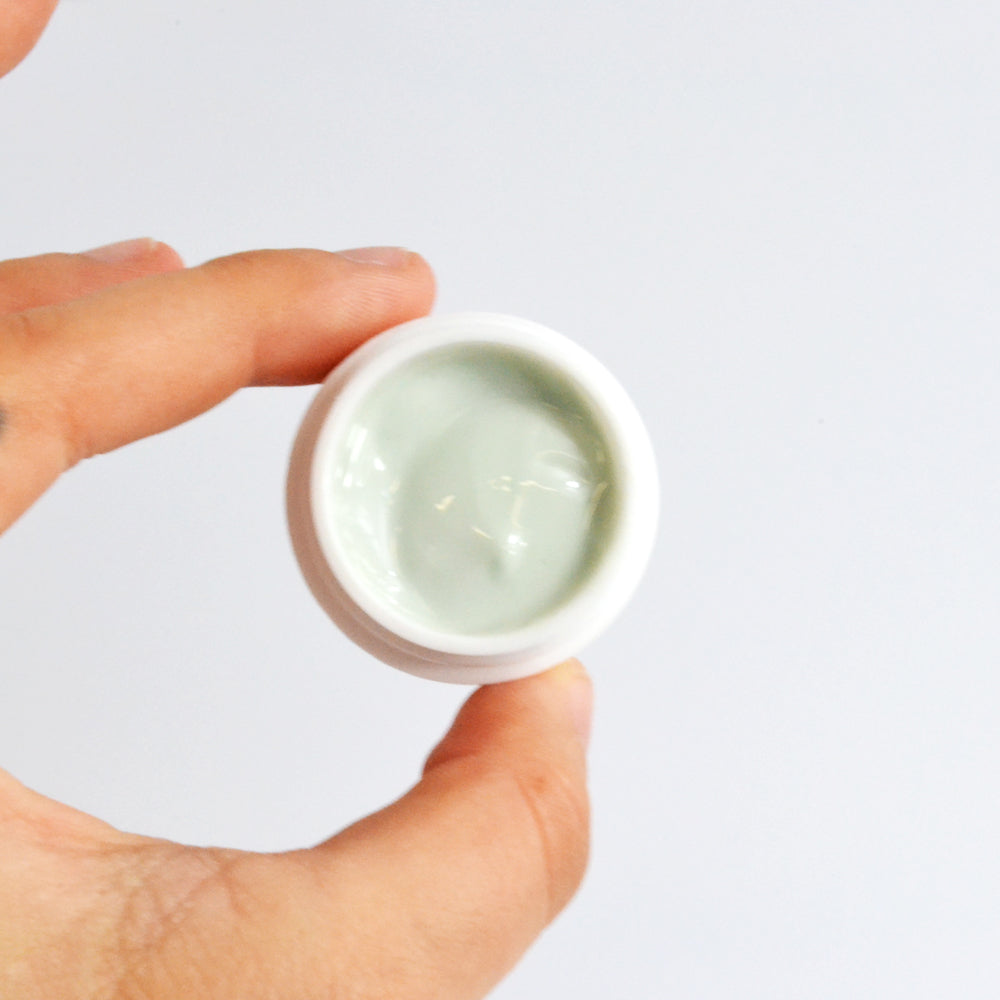
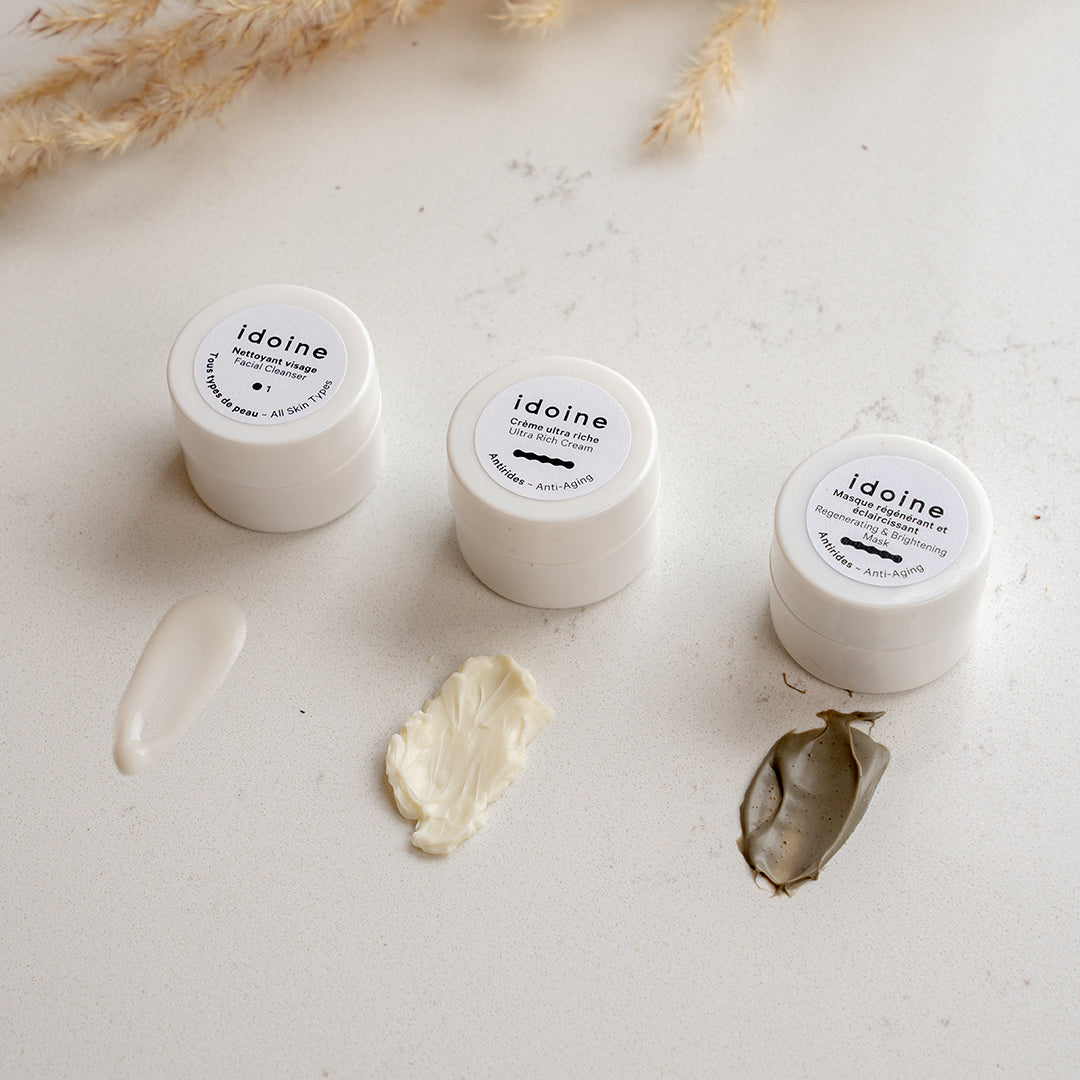
Idoine Bio's night anti-wrinkle cream is particularly interesting in this context. It contains Blue Tansy, also known as blue chamomile, recognized for its powerful anti-inflammatory and soothing properties.
- Helps calm visible redness
- Soothes hot or reactive skin
- Supports skin regeneration during the night
Skin barrier and skin aging
A weakened skin barrier contributes to premature aging. Strengthening the barrier helps both to soothe inflammation and to preserve the skin's elasticity and quality.
Caring for eczema-prone or reddened skin primarily involves respecting the skin barrier. A simple, gentle, and consistent routine, incorporating suitable soothing and anti-inflammatory care, can sustainably improve skin comfort.