The ultimate guide to homemade face masks: recipes and tips
In a world where beauty routines strive to be more natural and responsible, the homemade face mask has become a must-have. Between the promise of radiant skin and the simplicity of ingredients found in one's kitchen, it appeals to more and more women. But beyond the pleasure of "homemade," knowing how to create an effective natural face mask requires knowledge, precision, and a bit of experience.
Facial care is no longer limited to major brand products: today, creating your own homemade face mask is a way to listen to your skin, understand its needs, and offer it tailored care. This ultimate guide will walk you step-by-step through everything you need to know: from the most effective face mask recipes to mistakes to avoid, as well as the best application tips.
Why make a homemade face mask?
The homemade face mask appeals with its authenticity and simplicity. Made from raw, natural ingredients, it offers a healthy alternative to industrial formulas sometimes filled with irritating agents or preservatives.
The concrete advantages
-
Eco-friendly: no superfluous packaging, less waste.
-
Economical: everyday ingredients, accessible to everyone.
-
Personalized: each face mask recipe adapts to your skin type.
-
Natural and safe: no chemicals or silicones.
|
Type of care |
Homemade face mask |
Industrial mask |
|
Ingredients |
Natural, simple |
Sometimes synthetic |
|
Cost |
Very affordable |
Higher |
|
Environmental impact |
Low |
Often high |
|
Customization |
Total |
Limited |
Creating a natural face mask is therefore about reclaiming your beauty ritual, while respecting your skin and the planet.
Essential ingredients for a natural face mask

Before you start making a homemade hydrating face mask, it's essential to understand the role of each ingredient. The simplest formulas are often the most effective — provided you use fresh, organic, and well-proportioned products.
Textural bases
-
Green clay: purifying and absorbent, it eliminates excess sebum, tightens pores, and refines skin texture. Ideal for combination to oily skin.
-
Pink clay: very gentle, it soothes and revitalizes sensitive, reactive, or dull skin without irritating it.
-
White clay: suitable for all skin types, even the most delicate, it gently cleanses, re-mineralizes, and promotes natural radiance.
-
Manicouagan clay: rich in minerals and extracted in Quebec, it is widely used in Idoine skincare for its regenerating, detoxifying, and balancing properties.
-
Plain yogurt: hydrates, softens, and rebalances skin pH.
-
Maple syrup: rich in antioxidants and organic acids, it helps nourish, soothe, and revitalize the skin. This ingredient from Quebec forests deeply moisturizes, supports cellular regeneration, and provides a natural glow.
-
Aloe vera: soothes, heals, and regenerates skin tissues.
These elements serve as the base for most homemade face masks, whether they are purifying, hydrating, or brightening.
Active ingredients by need
|
Skin type |
Key ingredients |
Main effect |
|
Dry |
Avocado, banana, sweet almond oil |
Nourishment and softness |
|
Oily |
Green clay, lemon, jojoba oil |
Purification |
|
Combination |
Oats, maple syrup, yogurt |
Balance |
|
Sensitive |
Cucumber, aloe vera, oatmeal |
Soothing |
|
Mature |
Olive oil, turmeric, egg |
Firmness and radiance |
The ingredients for a homemade face mask must be chosen carefully. For the best results, always prioritize organic, fresh, and unprocessed products.
4 homemade face mask recipes to try
Here are four simple, natural, and effective face mask recipes, designed to meet different needs. They combine the properties of nature with gentle and respectful beauty gestures.
1. Hydrating homemade face mask with avocado and maple syrup
This homemade face mask is perfect for dry or dehydrated skin that lacks suppleness.
Ingredients:
-
½ ripe avocado
-
1 tablespoon of raw maple syrup
-
1 teaspoon of plain yogurt
Preparation:
Mash the avocado in a bowl until smooth. Add the maple syrup and yogurt, then mix. Apply the mask to a clean face and leave on for 15 minutes. Rinse with lukewarm water.
Result: skin is nourished, soft, and plump. A truly radiant homemade hydrating face mask for winter!
2. Purifying natural face mask with green clay and lemon
Ideal for oily skin, this homemade face mask purifies and tightens pores without irritating the skin.
Ingredients:
-
2 tablespoons of green clay
-
1 teaspoon of maple syrup
-
A few drops of lemon juice
-
A little rose water (optional)
Preparation:
Mix the clay and rose water until a homogeneous paste forms. Add the maple syrup and lemon, then apply to the face, avoiding the eye contour. Leave on for 10 minutes, without letting it dry completely.
Result: mattified complexion, tightened pores, and refined skin texture — an ideal natural face mask for regulating excess sebum.
3. Radiant face mask recipe with turmeric and yogurt
This best homemade radiant face mask revitalizes dull and tired skin thanks to the antioxidant action of turmeric.
Ingredients:
-
1 teaspoon of turmeric powder (be careful, it can stain the face and clothes.)
-
1 tablespoon of maple syrup
-
1 tablespoon of plain yogurt
Preparation:
Mix the three ingredients until you get a golden, uniform paste. Apply to the face for 10 minutes, then rinse with lukewarm water.
Result: luminous skin, even complexion, and an instant "healthy glow" effect. This homemade face mask is often cited as one of the most effective for immediate radiance.
4. Soothing homemade face mask with cucumber and aloe vera
Specially designed for sensitive skin, this natural face mask brings freshness and comfort while calming redness.
Ingredients:
-
½ blended cucumber
-
1 tablespoon of pure aloe vera gel
-
1 tablespoon of plain yogurt
Preparation:
Mix the ingredients until a fluid texture is obtained. Apply to the face using a brush or fingers, leave on for 15 minutes, then rinse gently with cold water.
Result: soothed, hydrated, and refreshed skin. Ideal after sun exposure or exfoliation.
Expert tip
To enhance the effectiveness of each face mask recipe, always apply to clean, slightly damp skin. This facilitates the penetration of natural active ingredients. You can also spray an Idoine Organic hydrosol before the mask to optimize the effects.
How to apply and optimize your homemade face mask
Even the best homemade radiant face mask only delivers its effects if applied correctly! Careful application ensures not only better penetration of active ingredients but also softer, more balanced, and more radiant skin. Whether you are preparing a purifying, soothing, or hydrating homemade face mask, the method remains the key to optimal results.
Application steps
-
Deep clean your skin
First, remove makeup and clean your face with a gentle cleanser to remove impurities and excess sebum. Clean skin facilitates the penetration of the natural ingredients in the homemade face mask. -
Apply the mask evenly
Use a brush or clean fingers to spread your homemade face mask in a thick, even layer. Avoid the eye and mouth contours, as these areas are more fragile and sensitive. -
Leave on for 10 to 20 minutes
Respect the application time suitable for each face mask recipe: hydrating masks require a longer time (up to 20 minutes), while clay or purifying masks should never be allowed to dry completely. -
Rinse with lukewarm water, then cold water
Gently remove your natural face mask with lukewarm water to avoid irritating the skin. Finish with a splash of cold water or a floral mist to tighten pores and stimulate microcirculation. -
Hydrate your skin
After rinsing, apply a natural cream to seal in moisture and protect your skin barrier. This step is crucial to prolong the effects of your homemade hydrating face mask.
Expert tips for optimal results
-
Frequency of use: apply a homemade face mask one to two times a week depending on your skin type. Oily skin tolerates two weekly applications, while dry skin will prefer one weekly treatment.
-
Minute preparation: prepare your homemade face mask just before applying it; natural ingredients lose their active properties after a few hours.
-
No refrigeration: contrary to some popular beliefs, a natural face mask should not be stored in the refrigerator; humidity and cold can alter the texture and benefits of the ingredients.
-
Ideal time: apply your homemade hydrating face mask after a shower or warm bath. Steam opens the pores and improves the penetration of natural active ingredients.
-
Post-care protection: after an exfoliating or purifying mask, avoid direct sun exposure; instead, apply a nourishing treatment or a soothing natural face mask the next day.
Why application technique changes everything
The effectiveness of a homemade hydrating face mask depends as much on its composition as on how it is applied. Improper application can reduce its effectiveness or even imbalance the skin. Conversely, a ritual applied with care transforms the experience:
-
Pores are better cleansed.
-
Nutrient absorption is optimized.
-
The complexion regains its natural luminosity.
Thus, even a simple face mask recipe can become a spa-worthy treatment when properly executed.
Bonus: Optimize your skincare with Idoine Bio
To amplify the results of your homemade face mask, pair it with complementary Idoine Bio skincare products:
-
Before the mask: use lavender hydrosol to purify and balance.
-
After the mask: apply Idoine Bio moisturizing cream to nourish the skin and preserve its radiance.
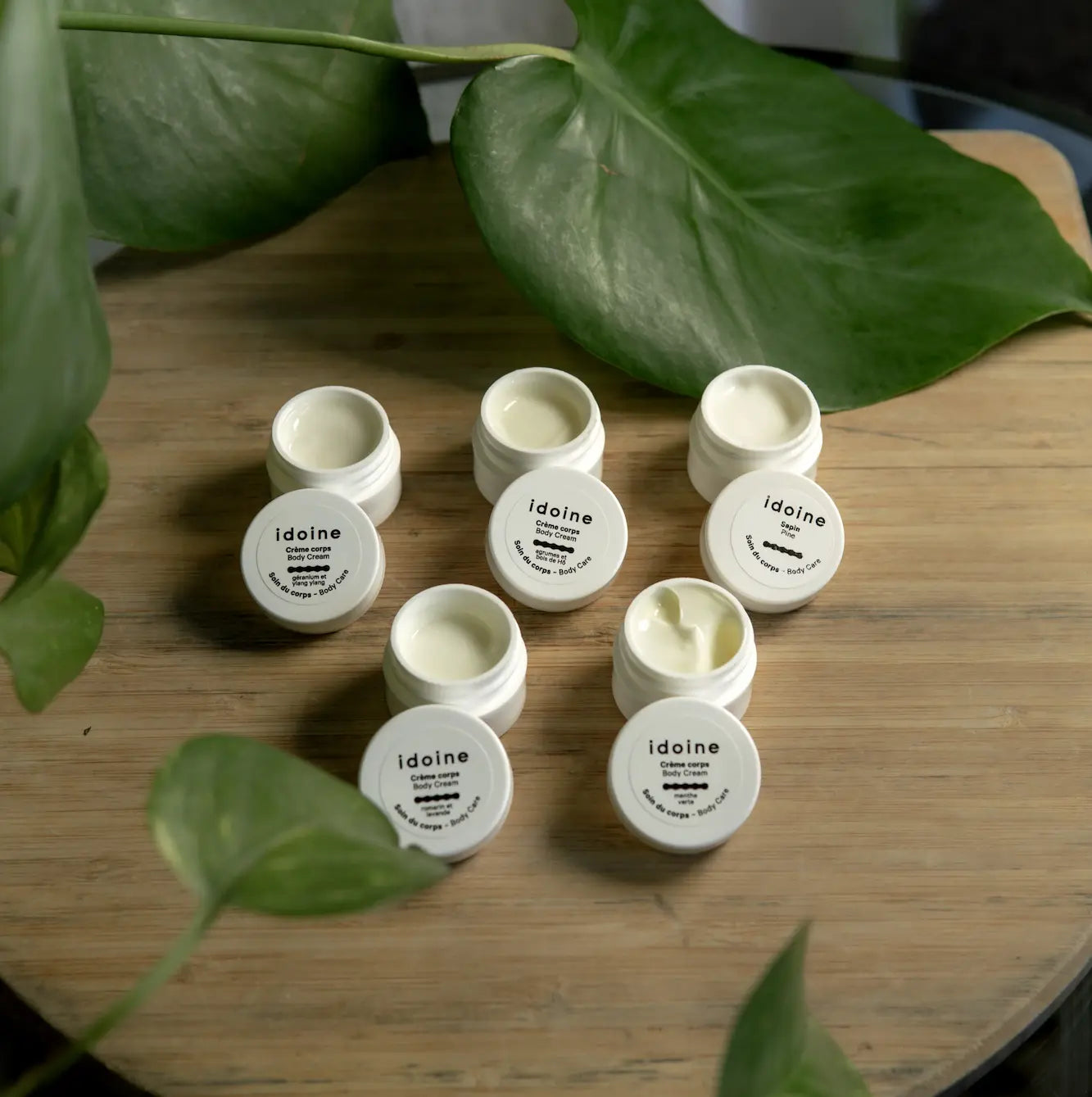
Idoine Bio products are formulated with organic, ethical, and local ingredients — perfect for complementing your natural face masks while respecting your skin and the planet.
Eco-responsible tips for your homemade face care

For a greener ritual:
-
Reuse your glass containers for your face mask recipes.
-
Prioritize local ingredients or those from short supply chains.
-
Opt for reusable makeup remover pads.
By adopting these simple gestures, your natural face mask becomes a true act of love for the planet.
Common mistakes to avoid
Even natural beauty enthusiasts sometimes make mistakes.
-
Using a homemade hydrating face mask too often (risk of irritation).
-
Choosing acidic ingredients (lemon, vinegar) on sensitive skin.
-
Letting a clay mask dry completely (it pulls the skin).
-
Storing a mixture for more than 24 hours.
These errors can compromise the benefits of your treatment.
Idoine Bio face masks: where science meets nature
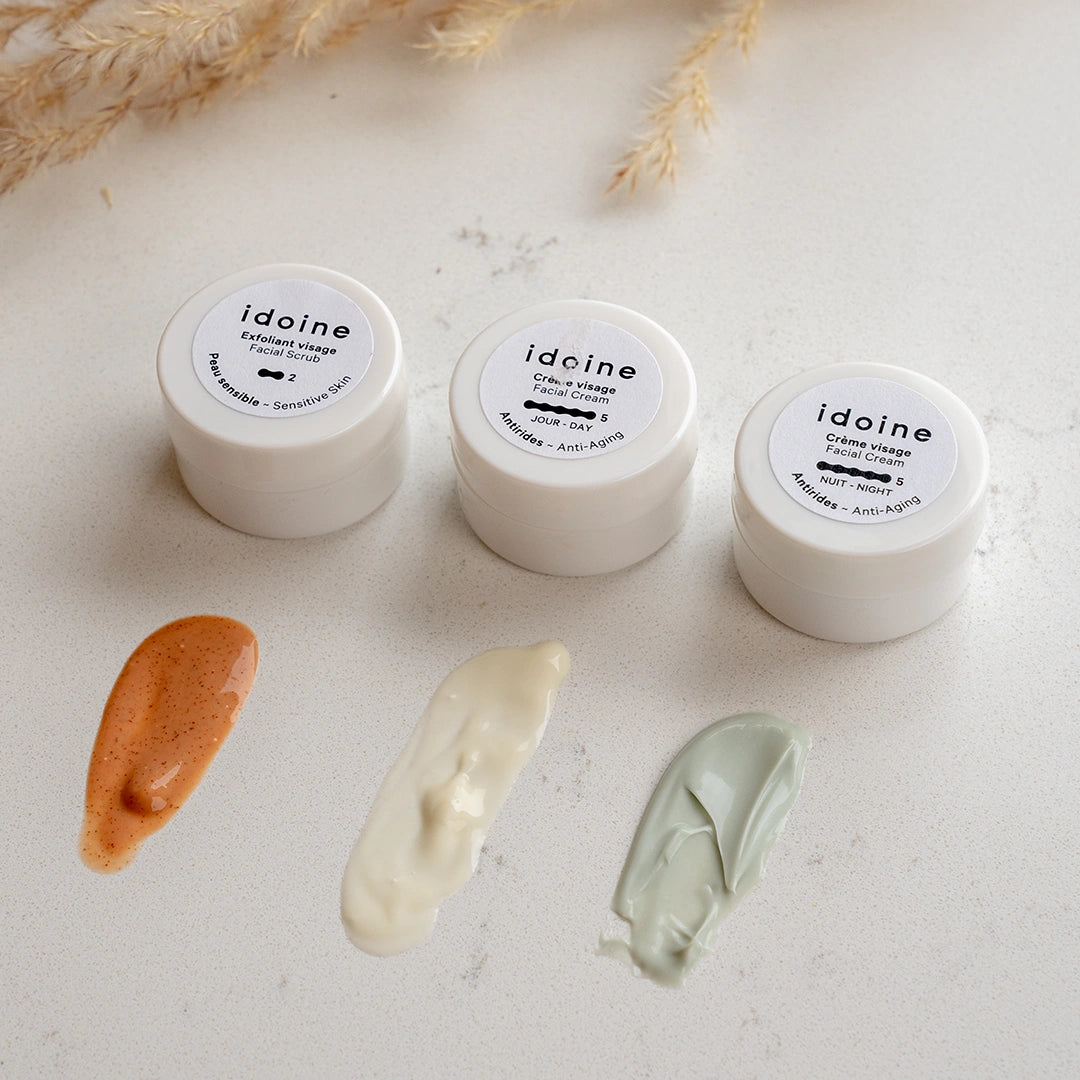
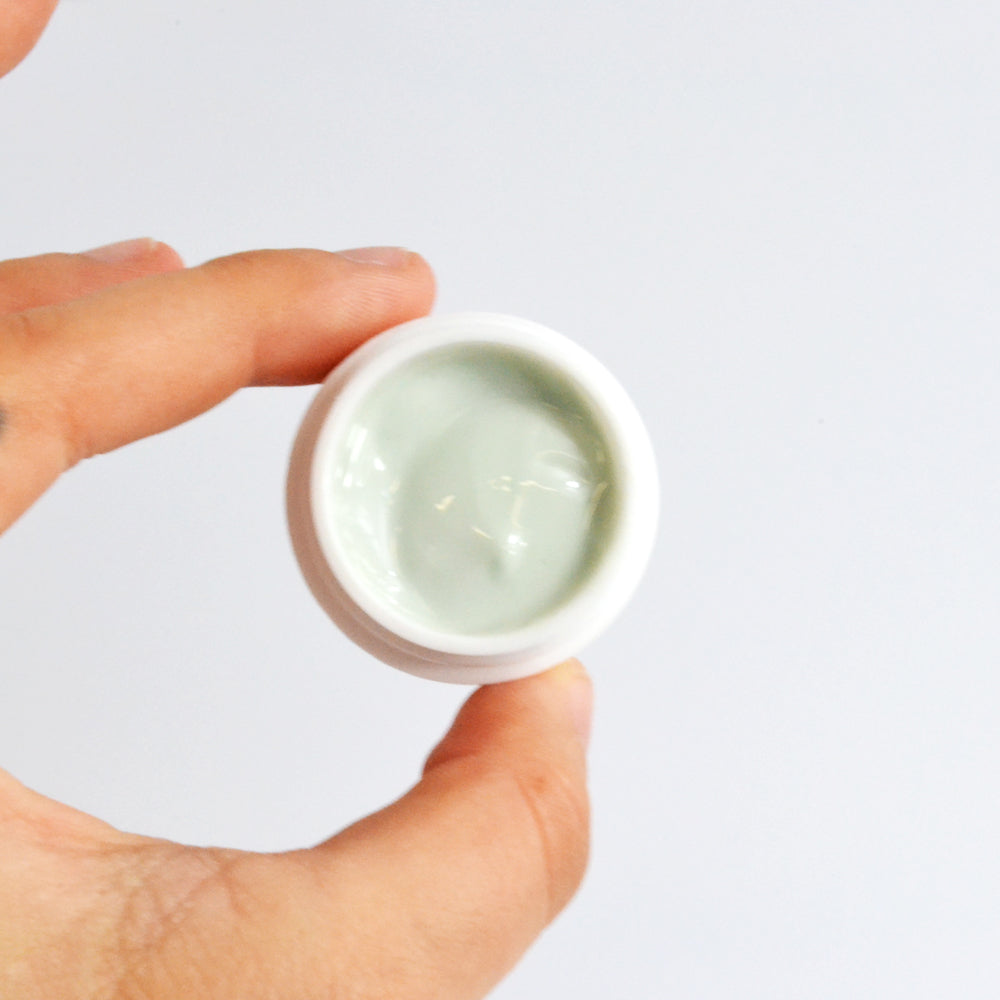
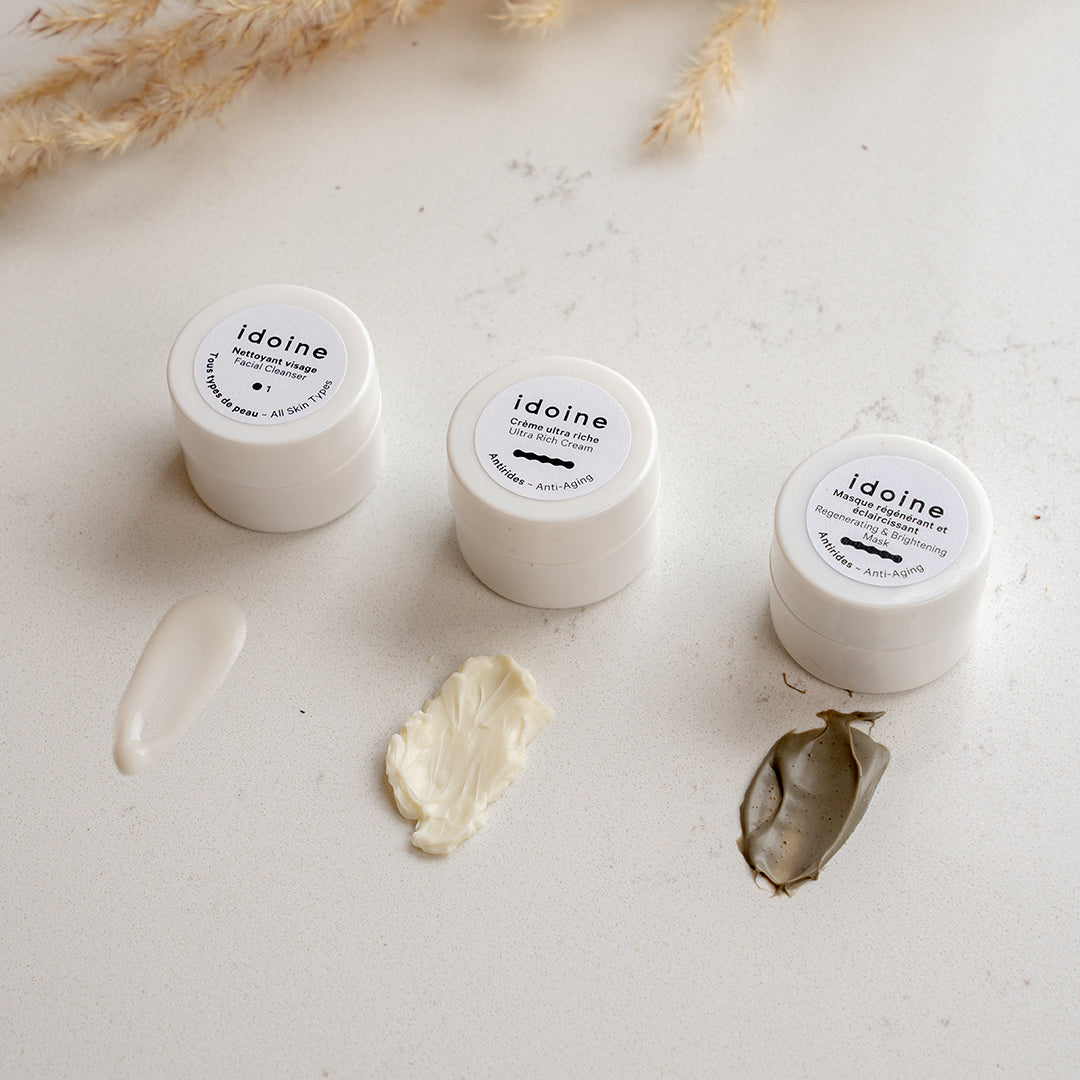
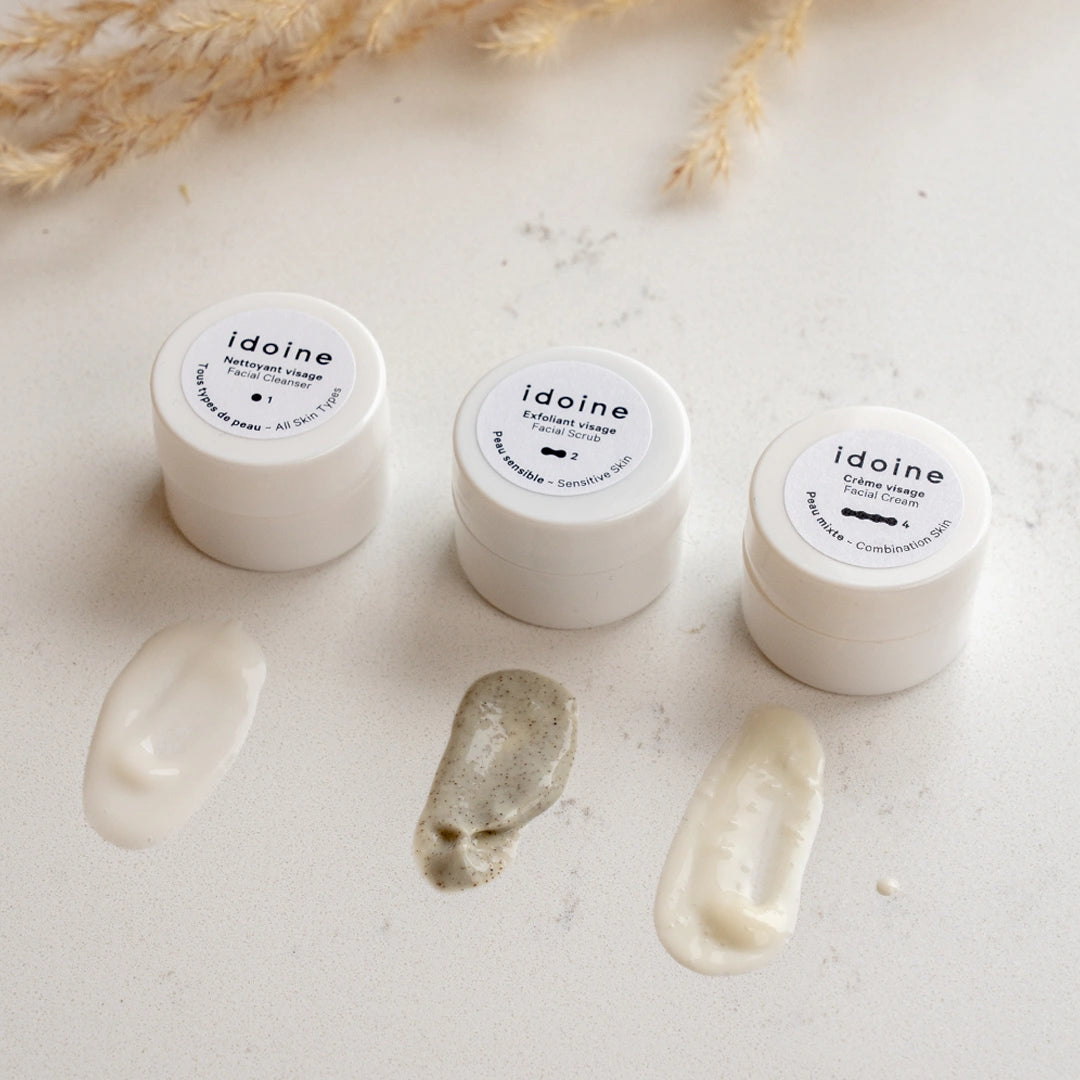
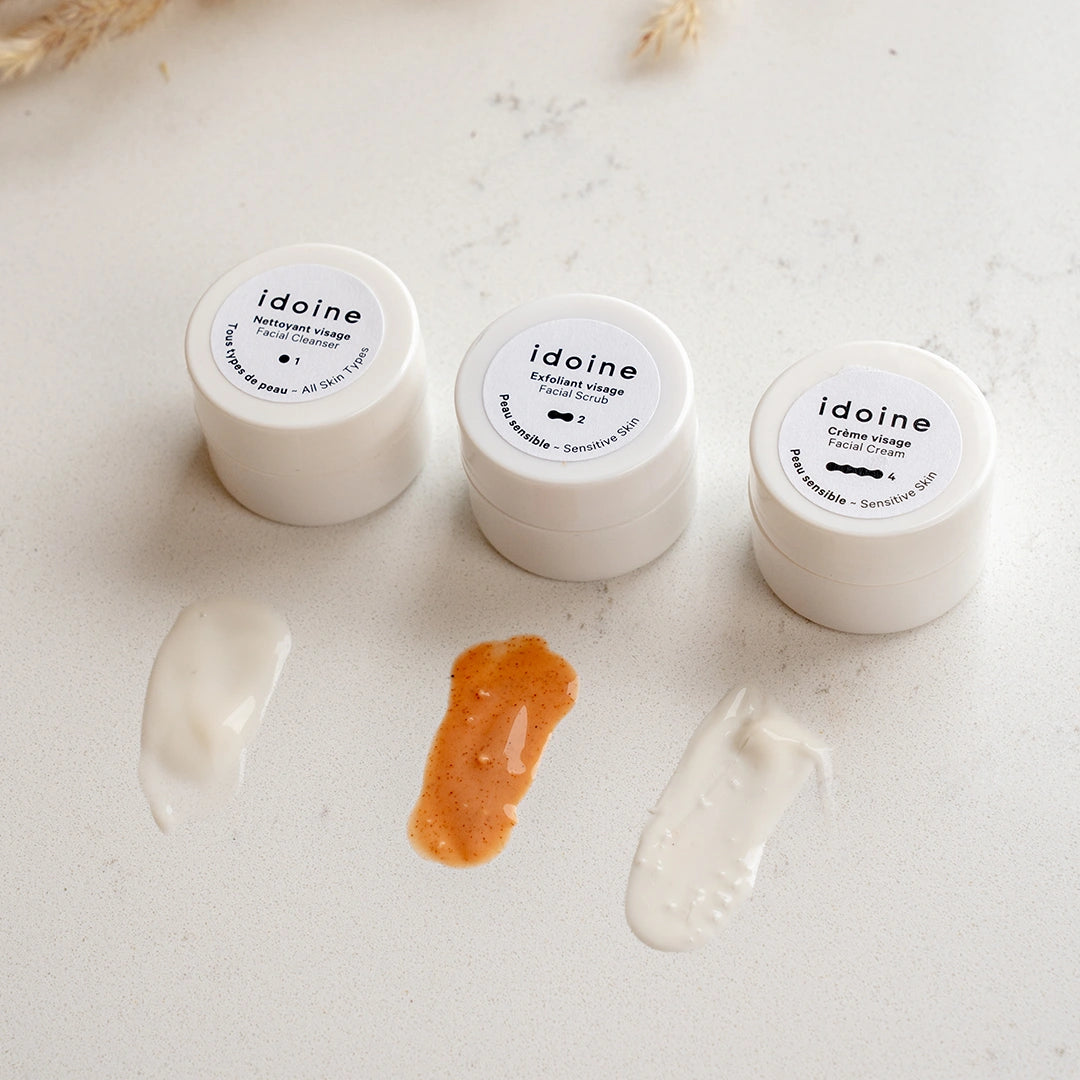
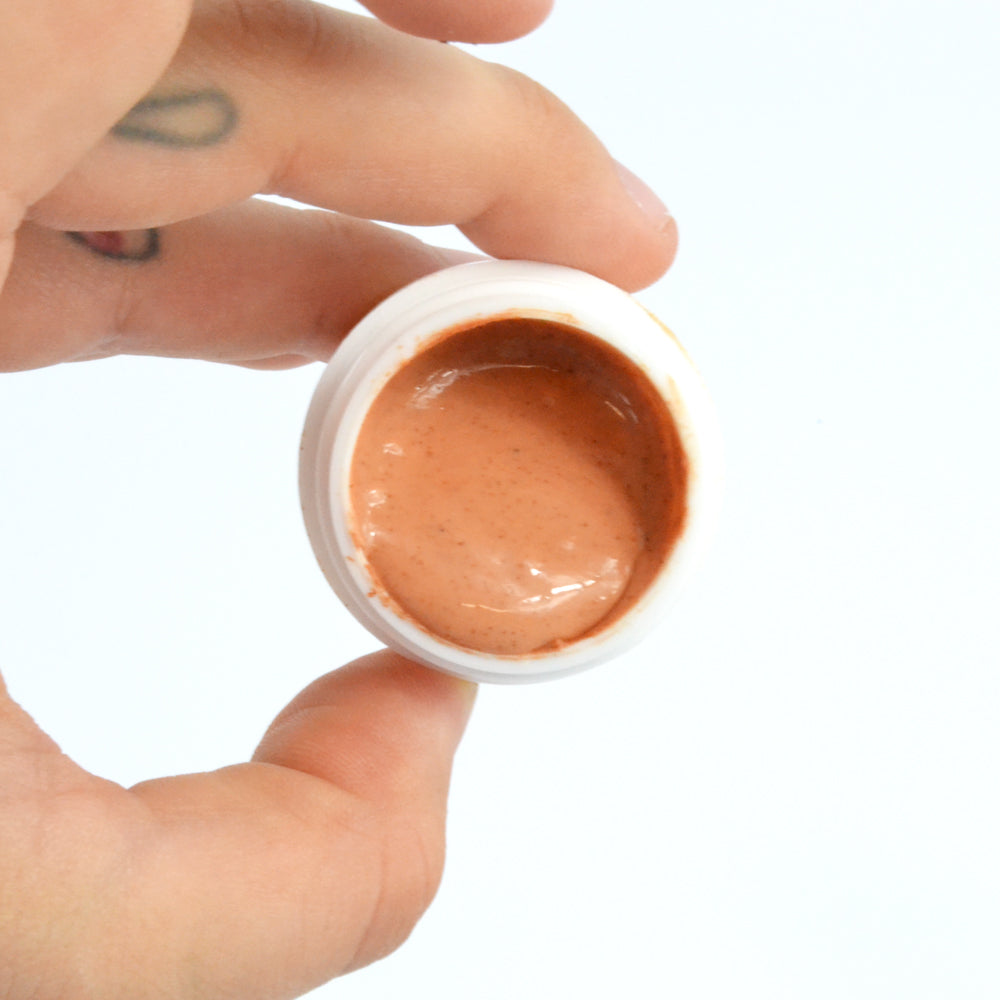
Discover Idoine face masks, designed to provide targeted and natural care for every skin type. Enriched with organic ingredients and Quebec essential oils, these masks purify, soothe, and revitalize the skin while respecting its balance. Whether you have sensitive skin, skin prone to imperfections, or are seeking radiance, Idoine's range of masks meets your needs with gentleness and effectiveness. Their creamy textures and delicate fragrances transform your routine into a true moment of well-being.
Formulated with green clay, floral hydrosols, and moringa, Idoine masks eliminate impurities, tighten pores, and revive the skin's natural radiance. Applied once or twice a week, they provide an immediate fresh effect and leave the skin visibly smoother and brighter. True to the brand's ecological commitment, the masks are offered in eco-friendly containers and adhere to vegan values. Give your skin the pure and effective care it deserves, inspired by Quebec nature.
Conclusion
Adopting a homemade face mask means reconnecting with a slower, more conscious, and kinder approach to beauty. By mixing simple natural ingredients, you give your skin unique, personalized, and respectful care. And to go even further, Idoine Bio masks perfectly complement this approach: professional effectiveness, ethical manufacturing, and sensorial textures.
Whether purifying or regenerating, homemade or ready-to-use, a natural face mask is much more than a beauty ritual: it's a gesture of self-care.
FAQs
1. What is the ideal frequency for a homemade face mask?
To fully enjoy the benefits of your homemade face mask, one to two applications per week are sufficient. This frequency allows the skin to regenerate without being overloaded. If you have dry skin, opt for a nourishing homemade moisturizing face mask, rich in maple syrup or avocado, once a week. Oily skin, on the other hand, can apply a purifying natural face mask based on green clay twice a week. The important thing is to listen to your skin and adapt your face mask recipe to its current needs.
2. Can I store my homemade mask in the refrigerator?
It is not recommended to store a homemade face mask in the refrigerator, even for a few hours. Natural ingredients like yogurt, maple syrup, or fruits oxidize quickly, losing their nutrients and effectiveness. To preserve the benefits of your homemade face mask, prepare it just before use and apply it immediately. Homemade natural face masks contain no preservatives or stabilizers, making them living treatments to be used fresh. This ensures maximum effectiveness and respects your skin and the environment.
3. What is the best homemade radiance-boosting face mask?
The best homemade radiance-boosting face mask remains the one based on turmeric, maple syrup, and yogurt. This natural combination brightens the complexion, evens out skin tone, and reduces small imperfections. Maple syrup deeply hydrates, turmeric acts as an antioxidant and anti-inflammatory, while yogurt softens the skin. It's a simple, quick, and highly effective face mask recipe for a fresh and radiant complexion. For an even more visible effect, apply your homemade moisturizing face mask after a light exfoliation to optimize the penetration of natural active ingredients.
4. Are Idoine Bio masks suitable for sensitive skin?
Yes, Idoine Bio masks are perfectly suited for sensitive skin. Formulated with organic and local ingredients, they respect the skin barrier while delivering visible results. Unlike some homemade face mask recipes that may contain overly strong natural acids, Idoine treatments are balanced and dermatologically tested. Their gentle textures are suitable for reactive and fragile skin. You can also alternate between a soothing homemade natural face mask (with aloe vera or cucumber) and a homemade moisturizing face mask to keep your skin comfortable and protected.
5. How can I make my natural face mask more eco-friendly?
To make your homemade face mask even more eco-friendly, prioritize local, organically grown ingredients purchased in bulk. Use reusable containers like glass jars, avoid plastic packaging, and compost fruit or vegetable scraps. You can also integrate responsible products into your routine, such as Idoine Bio masks, which combine ethics, effectiveness, and respect for the planet. A well-thought-out homemade face mask can thus become a true eco-responsible gesture, contributing to sustainable, natural, and conscious beauty.