Everything you need to know about your pimple on your nose: causes, types, and treatments
You wake up one morning, look in the mirror... and there it is: a red pimple on your nose captures all your attention. You're not alone: this small detail can quickly become a major source of embarrassment. The nose area, often oily and sensitive, is particularly prone to pimples, blackheads, and inflammation. But why does this happen? How do you differentiate a simple pimple from a more persistent problem? And most importantly, how can you get rid of it without irritating your skin? In this article, you'll discover everything you need to know about nose pimples: their causes, types, effective treatments, and the best prevention methods. Our goal: to help you achieve clear, balanced, and radiant skin.
Why is the nose area so prone to pimples?
The nose belongs to the famous T-zone (forehead, nose, chin), an area with more active sebaceous glands. The glands located under the skin produce more sebum there to protect the epidermis. But when production becomes excessive, pores get clogged: this is the ideal ground for pimples on the nose.
The nose is also exposed to multiple aggressions: pollution, dust, friction (glasses, masks), perspiration, and touching the face. All these factors stimulate the sebaceous glands and promote pore obstruction. The result: sebum accumulation, bacterial proliferation, inflammation... and the appearance of a red pimple on the nose.
Experience
Dermatologists note that women with combination or oily skin are more likely to have pimples on their nose, especially during hormonal fluctuations (periods, stress, fatigue). The nose then becomes the first area to react.
Different types of pimples on the nose
1. Comedones "blackheads and microcysts"
These are the mildest forms of pimples.
-
Blackhead: a dilated pore filled with oxidized sebum.
-
Whitehead or microcyst: a pore obstructed by dead cells, visible as a small white bump. These pimples are not very inflammatory, but give the skin an irregular texture.
2. Papules and pustules "red pimple on the nose"
These are red, sometimes painful pimples that may contain pus. They appear when the clogged pore becomes infected. This is the most common form of acne on the nose.
3. Nodules and cysts "large pimple on the nose"
These pimples develop deeper under the skin. Hard, sensitive, and persistent, they take a long time to disappear. These are severe inflammations often linked to hormonal imbalance or chronic sebum accumulation.
4. Internal pimples or "painful pimple inside the nose"
Located inside the nostrils, these pimples can be caused by a bacterial infection (furuncle). Since this area is connected to important blood vessels, you should never try to pop or manipulate this type of pimple.
|
Pimple Type |
Appearance |
Pain |
Severity |
Recommended Action |
|
Blackhead/Whitehead |
Smooth or dark surface |
None |
Low |
Gentle cleansing and light exfoliation |
|
Papule/Pustule |
Red, sometimes with pus |
Medium |
Moderate |
Topical anti-inflammatory treatment |
|
Nodule/Cyst |
Large, deep, hard |
Strong |
High |
Dermatological treatment |
|
Internal Pimple |
Invisible or raised in the nostril |
Intense |
Potentially severe |
Medical consultation |
Main causes of pimples on the nose "causes of nose pimples"
1. Internal causes
a. Hormonal fluctuations
Androgen hormones stimulate the sebaceous glands, increasing sebum production. In young girls or adult women, nose pimples often appear during the premenstrual period, pregnancy, or a change in contraception.
b. Stress, fatigue, and lack of sleep
Stress increases cortisol, a hormone that disrupts the skin and promotes sebum production. Lack of sleep, on the other hand, slows down cell regeneration.
c. Diet
A diet rich in refined sugars or dairy products can exacerbate skin inflammation and cause breakouts on the nose.
2. External causes
a. Pollution and friction
Impurities in the air settle on the nose, clogging pores. Similarly, wearing glasses or masks creates micro-irritations, which can turn a simple comedo into a painful red pimple.
b. Comedogenic products
An overly oily foundation or a thick cream can clog pores. It is therefore essential to use non-comedogenic products adapted to your skin type.
c. Lack of hygiene and risky habits
Regularly touching your nose or not removing makeup properly are common mistakes. Bacteria from your hands worsen inflammation.
When a pimple on the nose might hide something else

Rosacea
Rosacea causes persistent redness and sometimes pimples, but without blackheads. If your nose easily turns red, especially with heat or certain drinks, it might be this condition.
Sebaceous hyperplasia
These are small yellowish bumps that resemble pimples but do not become inflamed. They are due to a benign enlargement of the sebaceous glands.
Furuncle or infection
A painful pimple inside the nose could be a furuncle. This is an infection of a hair follicle that sometimes requires antibiotic treatment.
Persistent lesion
A pimple on the nose that does not disappear for several weeks should be evaluated by a professional. Sometimes, it is another skin condition requiring specific management.
How to treat a pimple on the nose
1. Gentle and regular cleansing
Cleanse your face twice a day with a gel or foam adapted to your skin type. The goal is to remove excess sebum without stripping the skin barrier. Avoid harsh products: they paradoxically stimulate the sebaceous glands.
2. Gentle exfoliation
Gentle exfoliation once or twice a week helps unclog pores and prevent the formation of new blackheads. Opt for enzymatic exfoliants or those based on mild acids.
3. Balanced hydration
Even oily skin needs hydration! Choose a fluid, light, non-comedogenic cream that regulates sebum without clogging pores.
4. Targeted treatments
-
For red pimples: use a localized treatment with purifying and soothing active ingredients.
-
For persistent pimples: a routine based on mild acids (salicylic, azelaic) can be beneficial.
-
For cysts or nodules: consult a dermatologist for appropriate treatment.
5. What to avoid
-
Never pop your pimples, especially on the nose.
-
Avoid overly abrasive granular scrubs.
-
Do not apply pure alcohol or toothpaste (a common myth!): this irritates and worsens inflammation.
Professional interventions for persistent pimples
When a pimple on the nose becomes chronic and doesn't go away, it may require dermatological care:
-
In-office treatments: gentle peels, microdermabrasion, LED light therapy, treatments targeting sebaceous glands.
-
Medical prescription: anti-inflammatory creams or oral treatments, retinoids, or antibiotics depending on the severity.
Preventing pimples on the nose
1. Lifestyle
-
Drink plenty of water.
-
Get enough sleep.
-
Avoid tobacco and limit sugar.
-
Eat foods rich in omega-3, zinc, and antioxidants.
2. Facial hygiene
-
Clean your glasses and accessories regularly.
-
Change your pillowcases weekly.
-
Remove your makeup thoroughly every evening.
3. Choosing suitable products
Opt for natural and gentle skincare that respects the skin while regulating sebum. Non-comedogenic and fragrance-free products are preferable for the nose area.
4. Adopting a sustainable approach
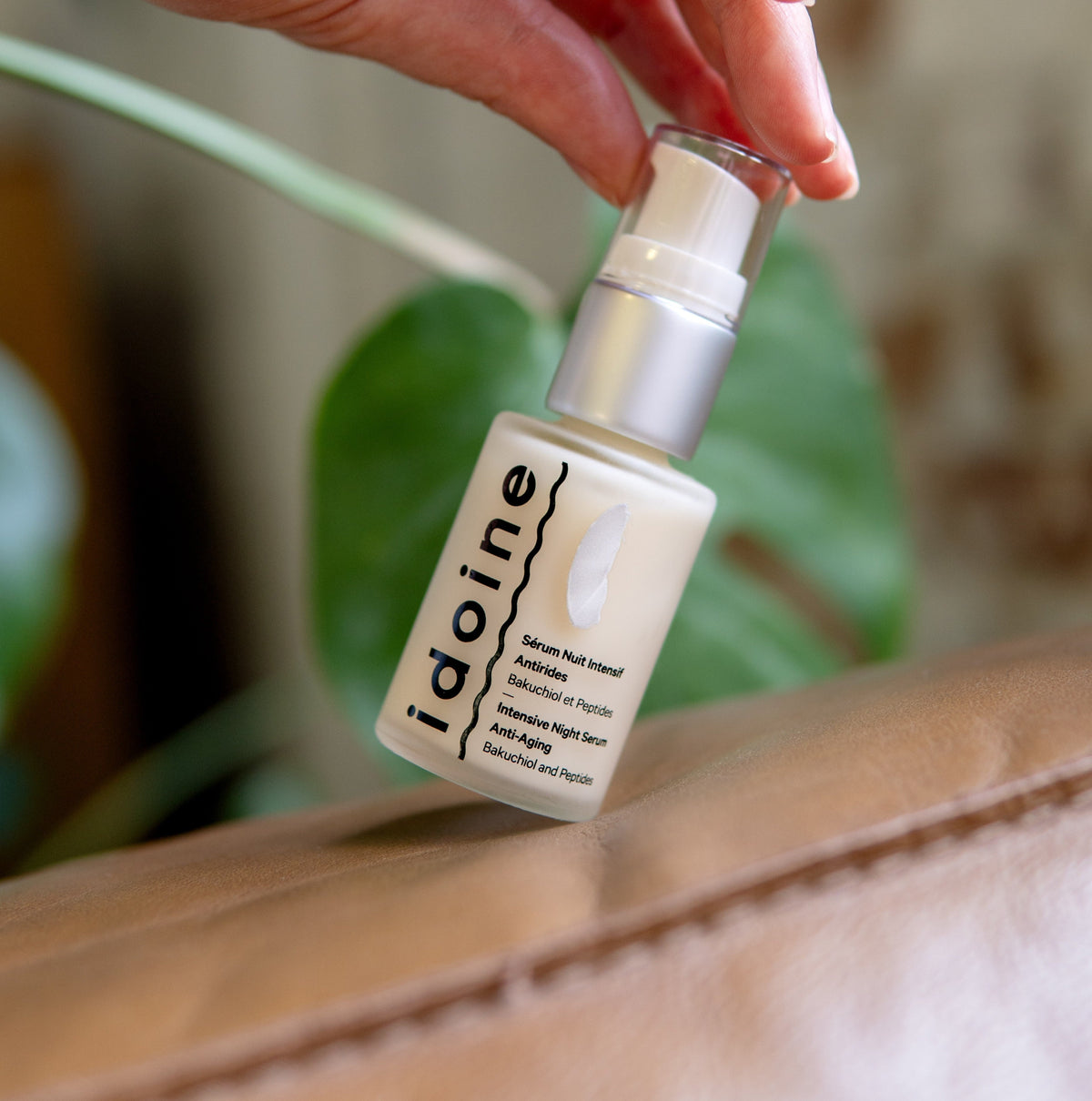
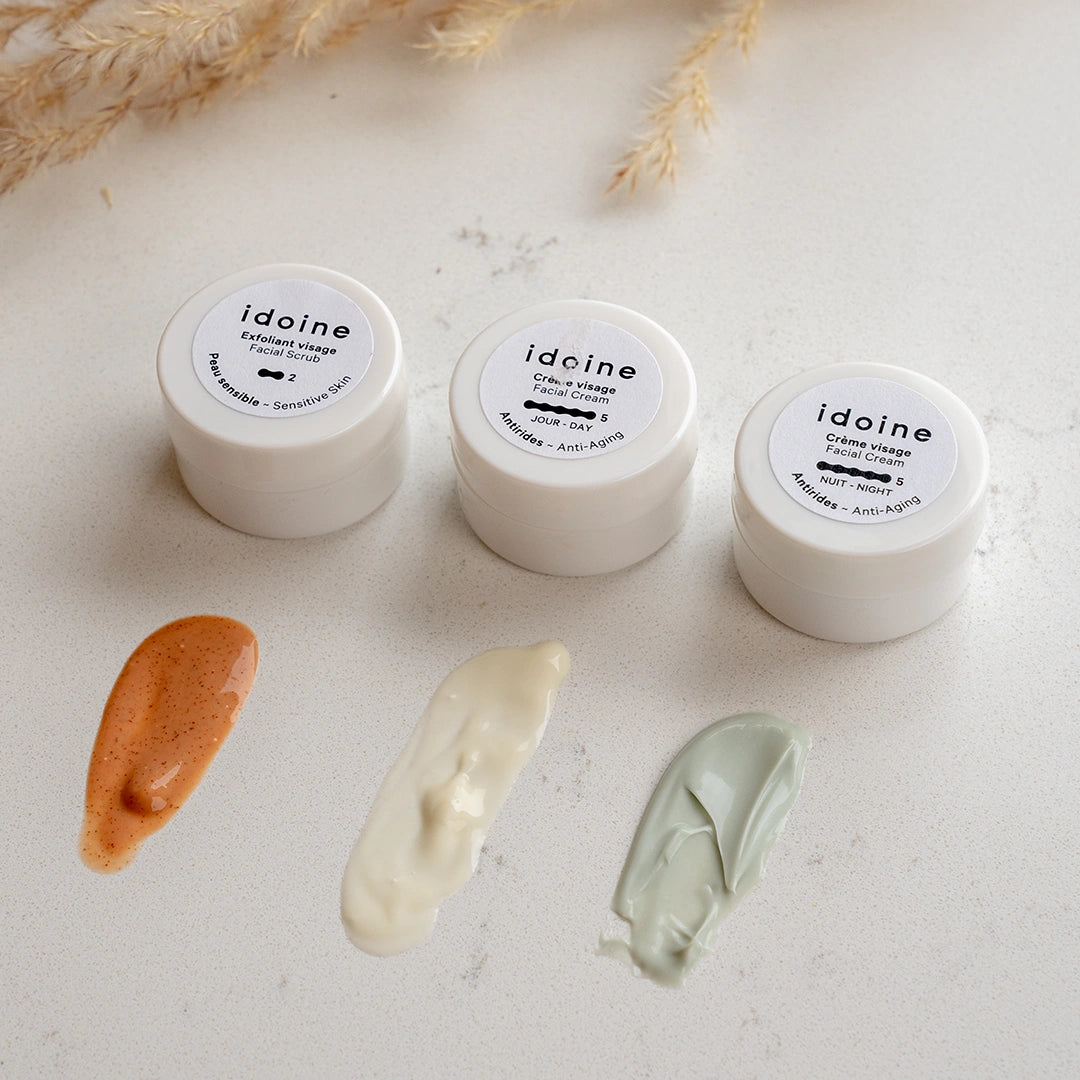
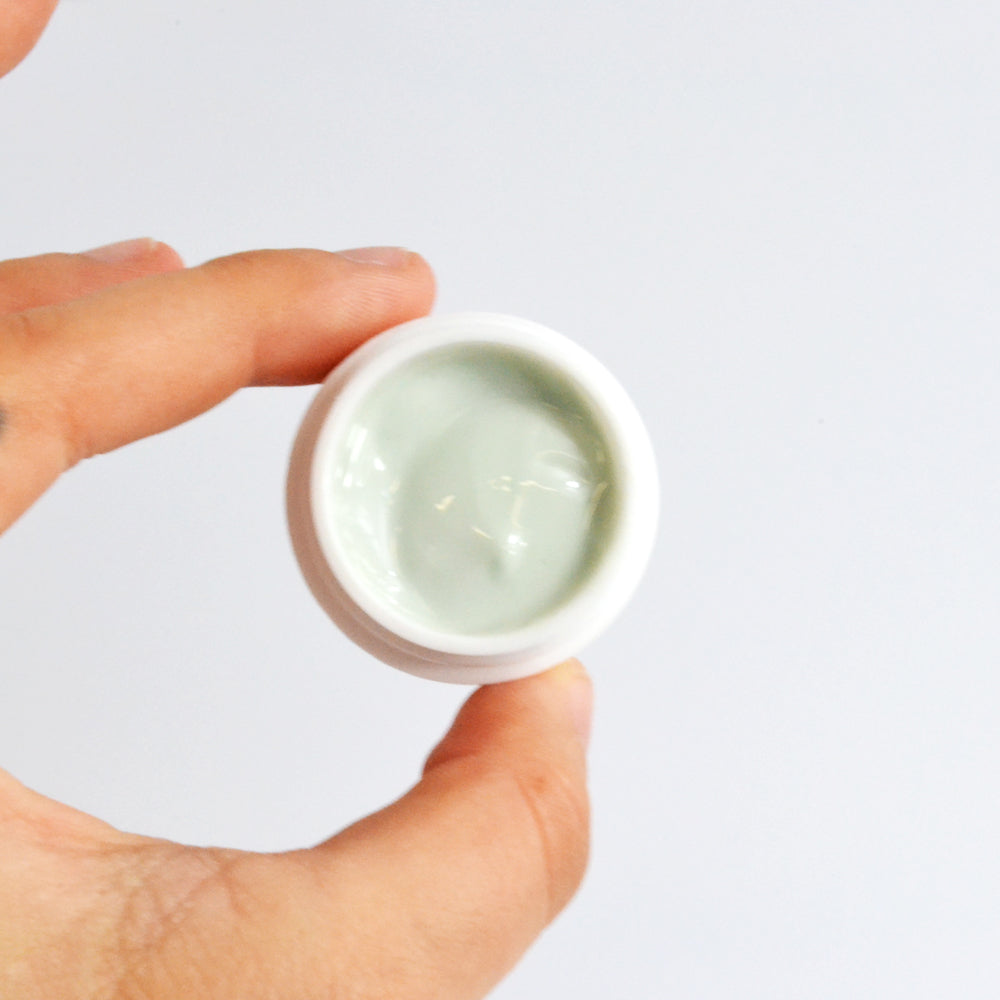
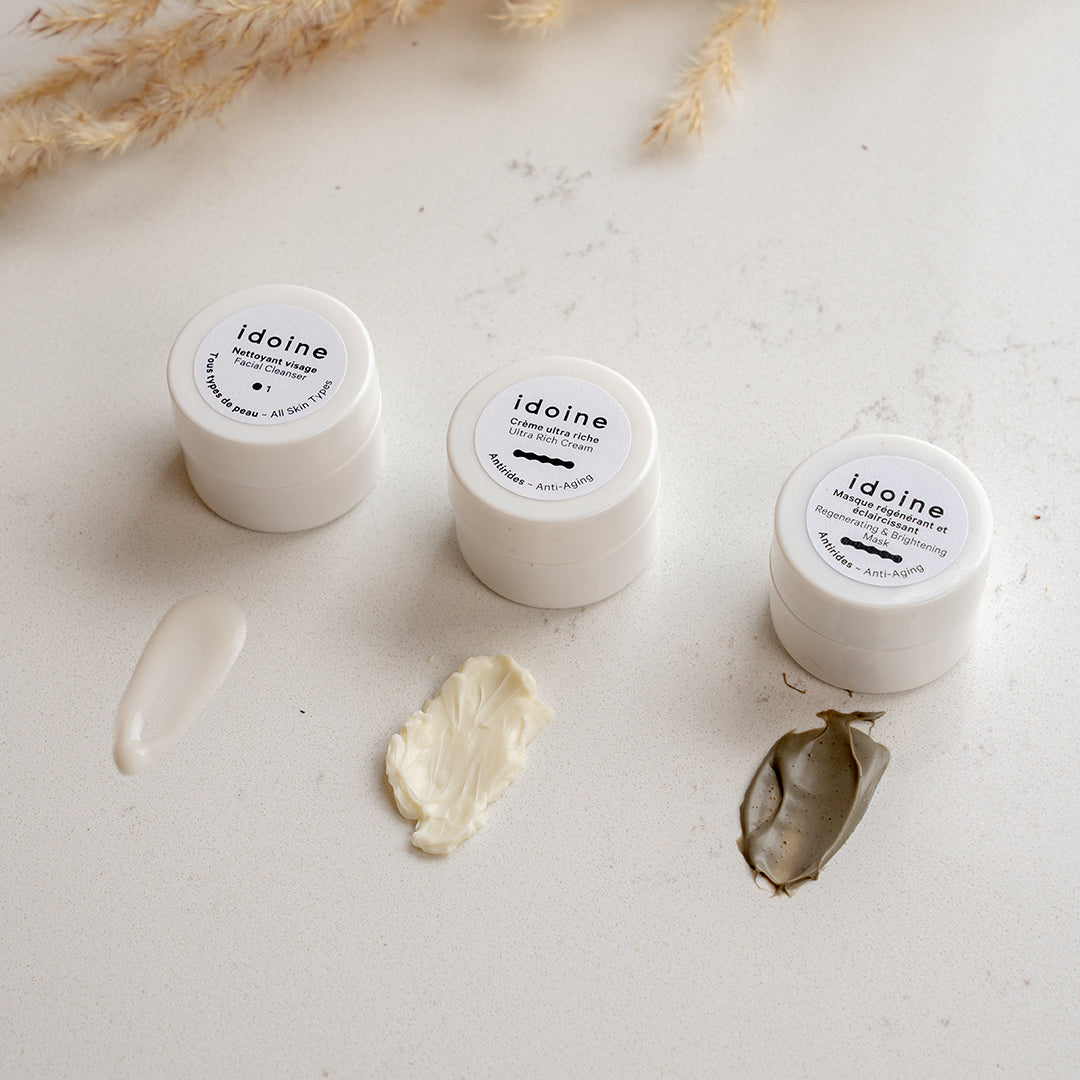
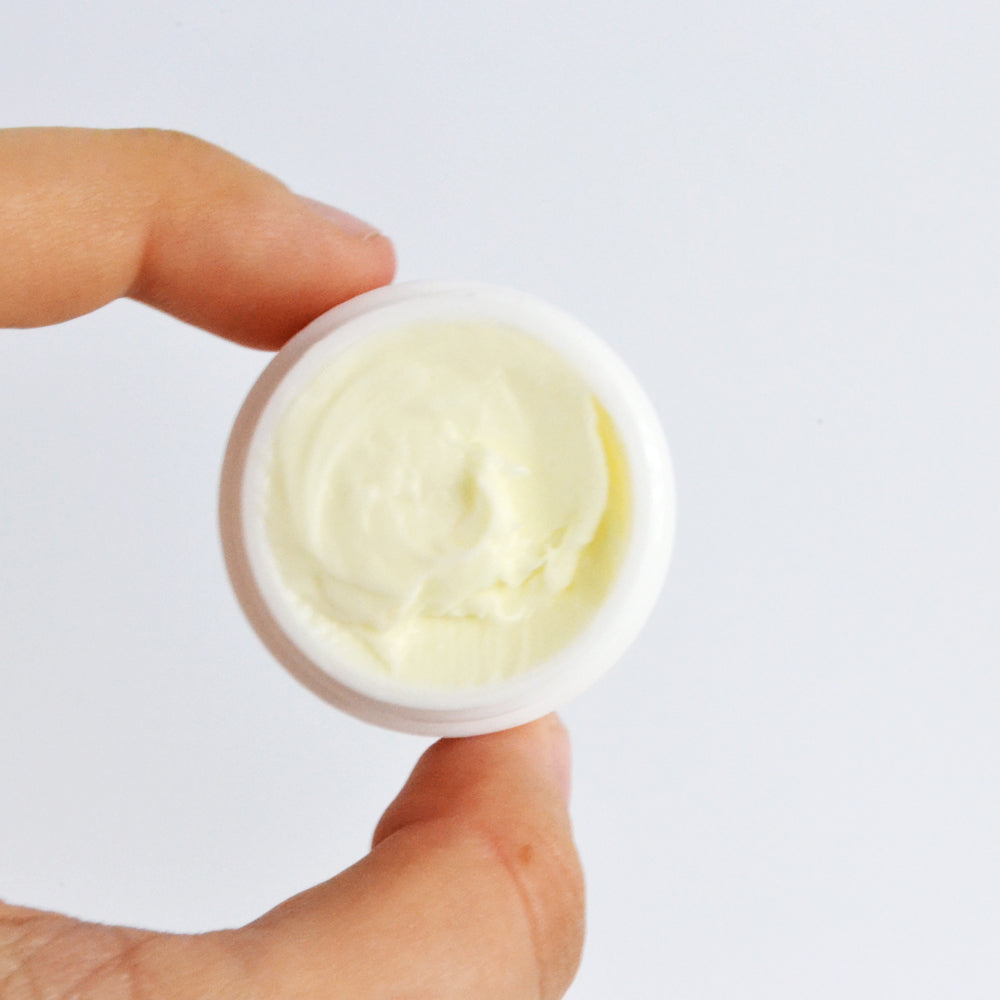
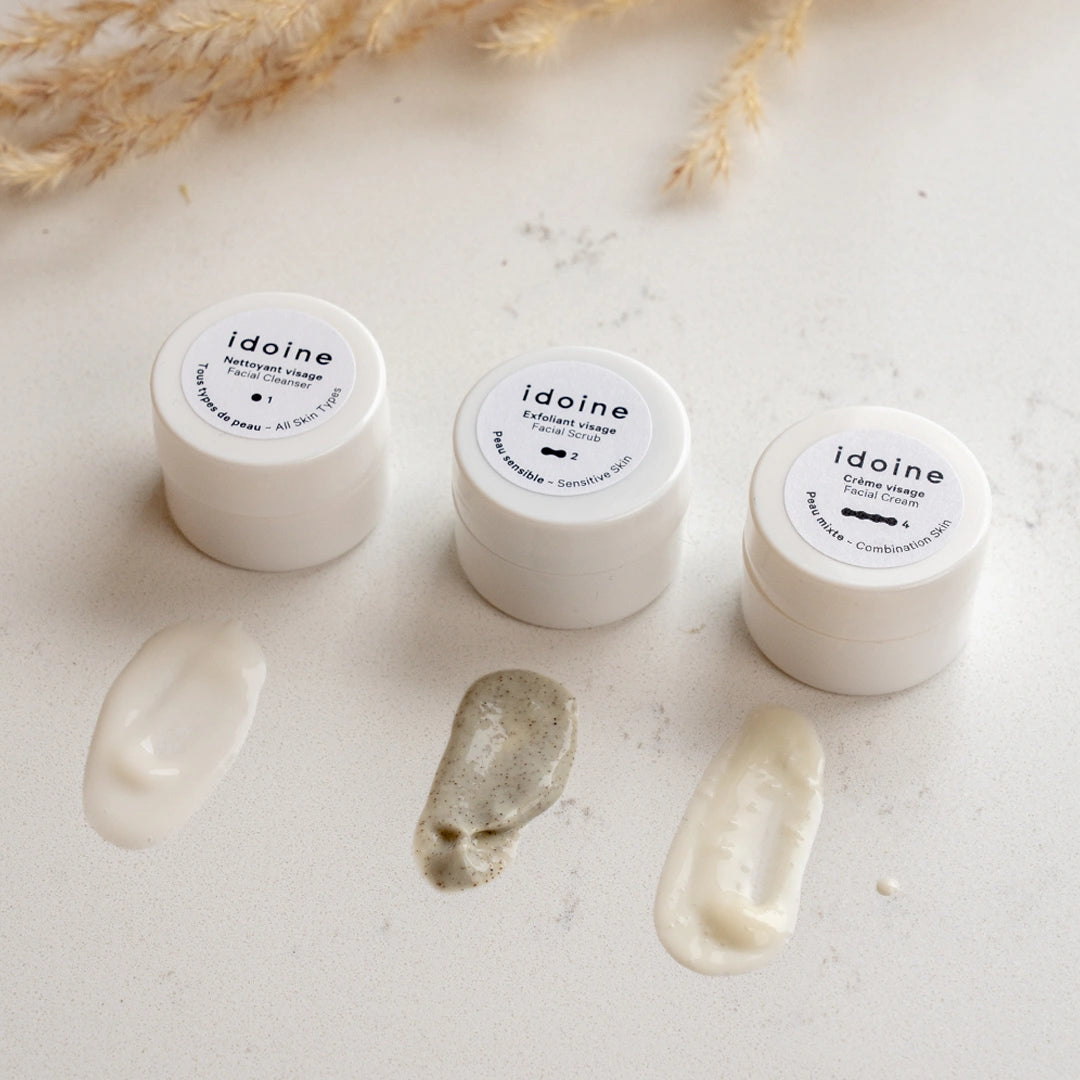
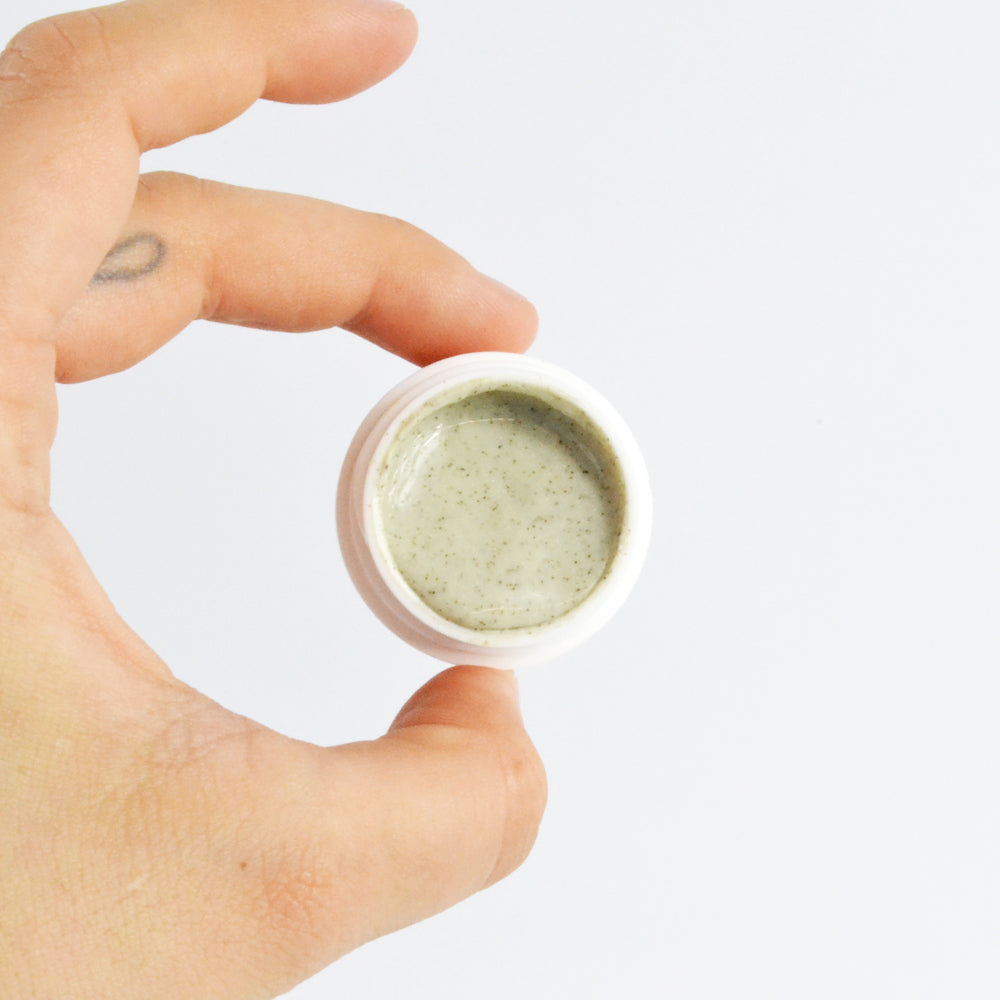
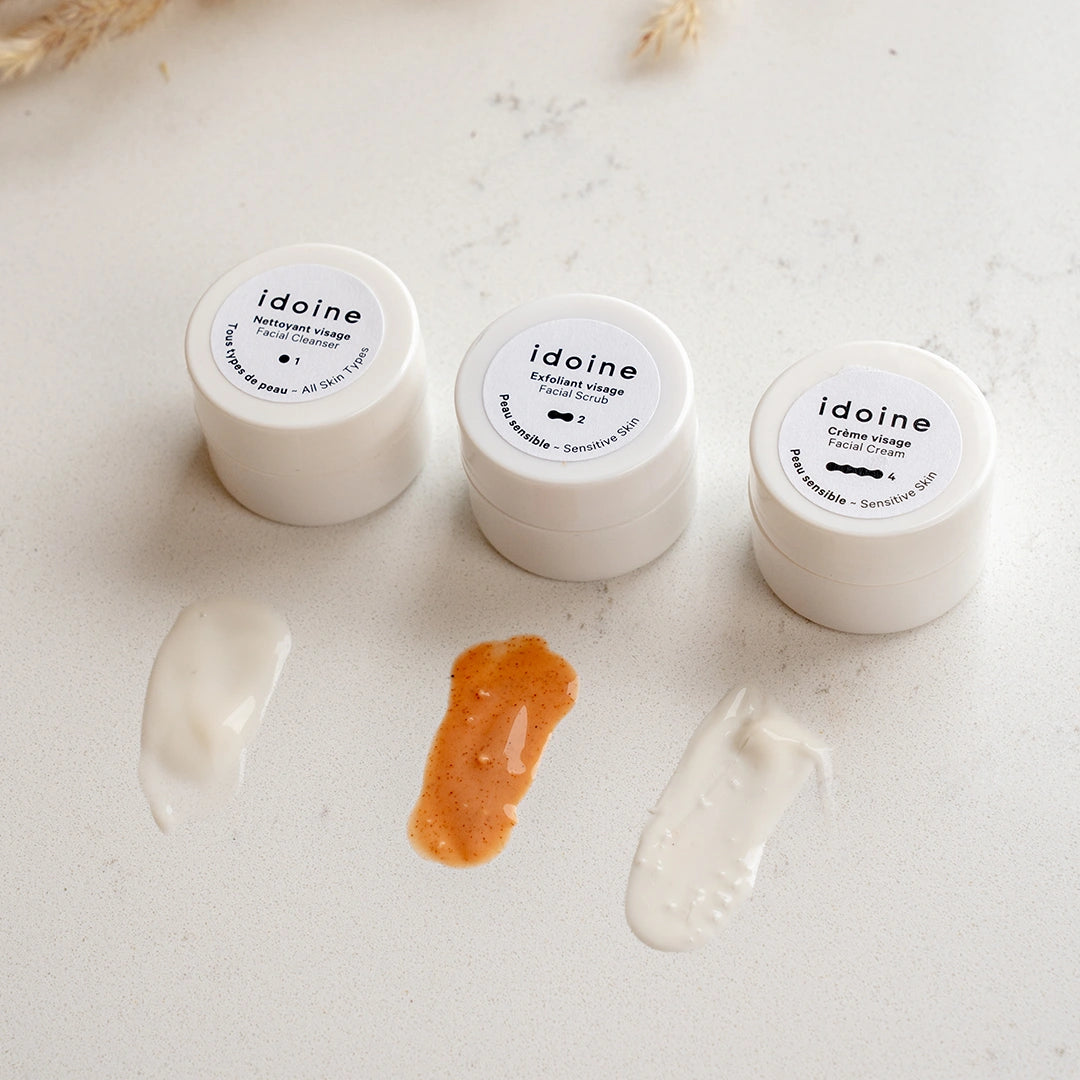
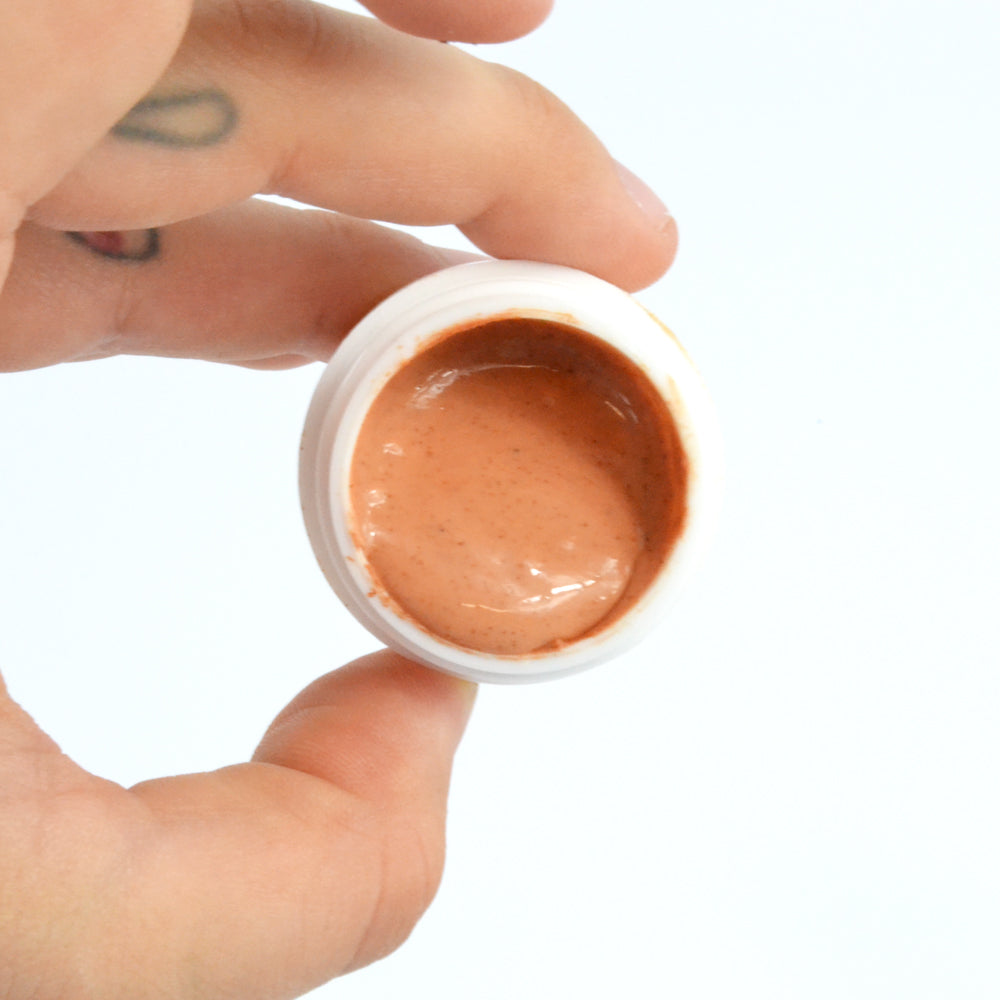
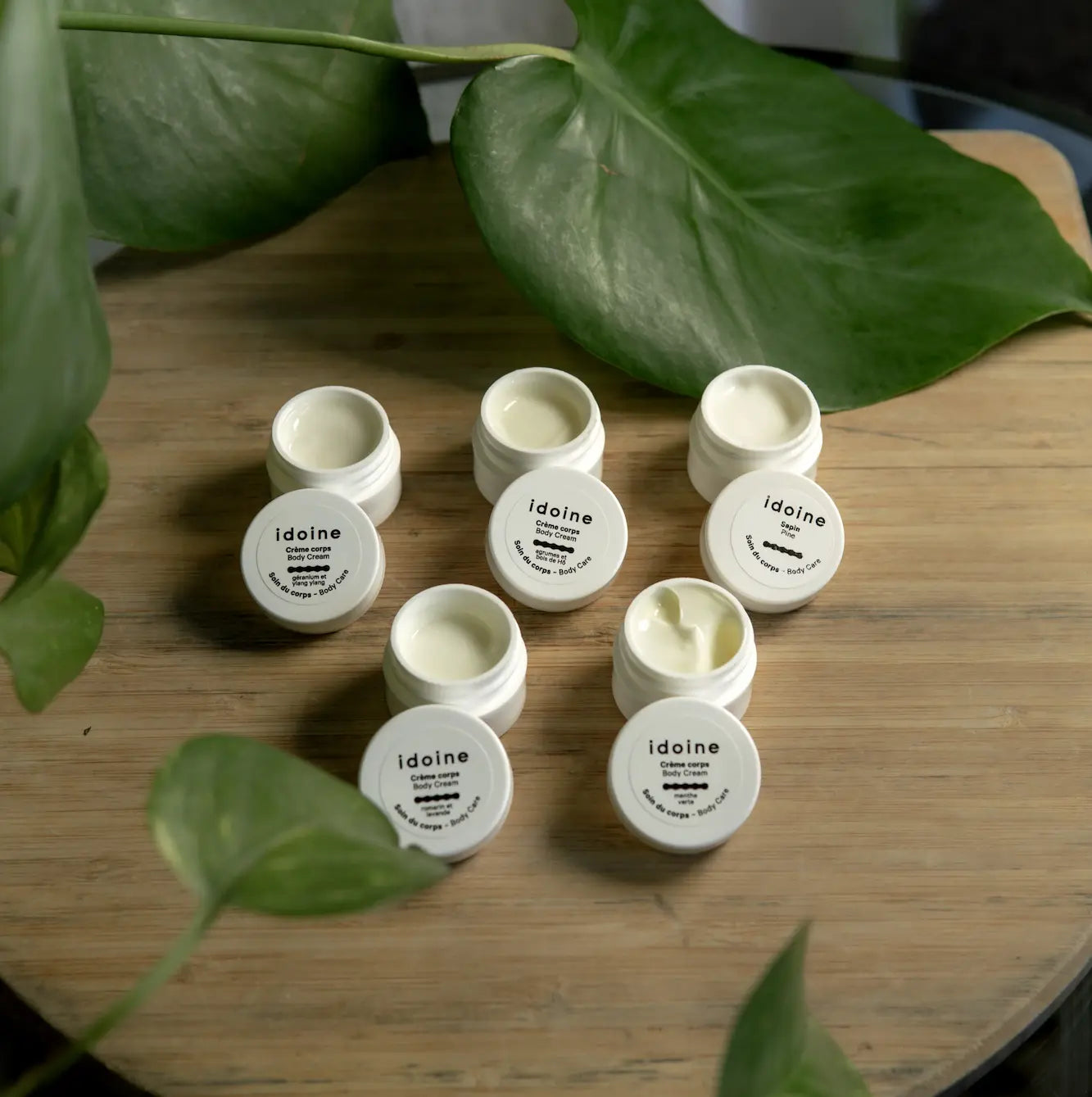
At some eco-responsible brands like Idoine Bio, prevention isn't limited to skin: it also includes the planet. By offering trial sizes and refusing product returns, the brand reduces its ecological footprint while encouraging consumers to try before they buy.
Idoine Bio: natural skincare for skin prone to nose pimples

At Idoine Bio, every formula is designed to respect your skin and the environment. The objective: to offer effective, natural, and ethical skincare that helps restore healthy skin without being aggressive.
What makes Idoine Bio products unique
-
Natural ingredients: vegetable oils, botanical extracts, and gentle active ingredients to regulate sebum.
-
Non-comedogenic: ideal for oily areas like the nose.
-
Local manufacturing: sustainable and environmentally friendly approach.
-
Trial sizes available: to try before you adopt.
Benefits for your skin
-
Visible reduction of imperfections on the nose and T-zone.
-
Soothed, hydrated, more even skin.
-
Simple and natural routine, without compromising between effectiveness and ecology.
The Idoine Bio team makes transparency and quality its priority. Each product is designed to offer maximum results with minimum environmental impact.
You might be interested in: the best skincare creams
Conclusion
A pimple on the nose may seem harmless, but it often reveals an imbalance: hormonal, cutaneous, or related to your environment. The key is to understand its cause, adapt your routine, and opt for skin-friendly care. Thanks to simple steps — gentle cleansing, balanced hydration, choosing suitable products — it's possible to regain a clear and luminous complexion. And if you choose responsible products, like those from Idoine Bio, you're taking care of both your skin and the planet.
Your skin deserves softness, consistency, and kindness. Start today: take a few minutes each day to pamper your nose... your skin will thank you.
Frequently Asked Questions
1. Why do I have pimples on my nose?
Pimples on the nose primarily appear due to excess sebum produced by the sebaceous glands. This overproduction, often linked to hormonal fluctuations, stress, or poor skin hygiene, clogs pores and promotes the appearance of imperfections. The nose, located in the center of the T-zone, is naturally oilier, which explains why it is often affected. If you're wondering "why do I have pimples on my nose," know that a gentle routine, daily cleansing, and non-comedogenic care are essential to restore skin balance.
2. Why does a red pimple appear on the nose?
A red pimple on the nose is often a sign of inflammation: sebum and bacteria accumulate in a clogged pore, causing a skin reaction. This type of pimple is common when the skin is stressed, tired, or not cleaned properly. Heat, pollution, and mask friction can also worsen the situation. The red color indicates active irritation that you should never pop. To calm a pimple on the nose, apply a purifying and soothing local treatment, hydrate your skin correctly, and avoid touching the area to limit spread.
3. What to do for a large pimple on the nose?
A large pimple on the nose is often painful and deep: it is a sign of significant inflammation or the formation of a subcutaneous nodule. This type of pimple takes longer to disappear, especially if manipulated. The best approach is patience: gently clean the area, apply a targeted anti-blemish treatment, and use a soothing non-comedogenic product. If the pimple on the nose becomes red, swollen, or remains for several days without improvement, consult a dermatologist. Professional treatment will help prevent scarring and address the real cause of the pimples on the nose.
4. Is a pimple inside the nose serious?
A painful pimple inside the nose should never be ignored. It could be a furuncle or a small infection caused by bacteria, often triggered by an ingrown hair or excessive manipulation. Since this area is connected to many blood vessels, it is dangerous to pop or squeeze the pimple. A pimple inside the nose sometimes requires local treatment or antibiotics prescribed by a professional. While waiting for the consultation, clean the outside of the nose with a gentle product and avoid any direct contact. Good hygiene and natural remedies can prevent these discomforts.
5. Why won't my pimple on my nose go away?
A pimple on the nose that won't go away is often a sign of persistent skin imbalance. It could be a cyst, a deep nodule, or a pore continuously clogged by excess sebum. Sometimes, it's the result of untreated inflammation or unsuitable skincare for your skin type. Stress, hormones, and comedogenic products worsen the problem. To help a pimple on your nose disappear, focus on a consistent routine: gentle cleanser, light hydration, gentle exfoliation, and purifying natural products. If nothing changes, consult a dermatologist.
6. How to avoid pimples on the nose?
To avoid pimples on the nose, you need to adopt a regular skincare routine tailored to your skin. Cleanse your face morning and night to remove sebum, pollution, and impurities. Choose natural, non-comedogenic products that regulate sebum production without irritating. A good lifestyle also plays a key role: balanced diet, sufficient hydration, and restorative sleep. Avoid touching your nose or popping a red pimple on your nose, as this can worsen inflammation. Prevention remains the best solution against imperfections.