The Four Skin Types: An Essential Guide
Many people want to take care of their face but are still unaware of their skin type. The result: unsuitable routines, recurring blemishes, tightness, excess sebum, or a feeling of discomfort. Many people use skincare products that don't truly match their skin type's needs, simply because they don't know if their skin is dry, oily, combination, or normal. However, knowing your skin type is the foundation of an effective and lasting routine.
Clearly identifying the four skin types allows for a better understanding of skin needs, skin reactions, and, most importantly, choosing natural skincare tailored to your skin type. This is even more important in a context where the skin is exposed daily to stress, pollution, climatic variations, and sometimes overly aggressive products.
In this expert guide, we will detail the differences between dry, oily, combination, and normal skin, explain their distinctive signs, how to care for them, and which natural skincare products to prioritize for your skin type.

What are the four skin types?
Dermatology experts agree that there are the following four skin types:
-
Normal skin
-
Dry skin
-
Oily skin
-
Combination skin
These skin types are determined by:
-
your genetics
-
your sebum production
-
your skin barrier
-
your natural hydration level.
Although your skin type generally remains stable, its condition can temporarily change due to age, hormones, climate, or stress.
Quick summary of the 4 skin types
|
Skin type |
Main signs |
Essential needs |
|
Normal skin |
Balanced appearance, fine pores, comfort |
Maintain hydration, protection |
|
Dry skin |
Tightness, roughness, lack of comfort |
Nourishment, skin barrier repair |
|
Oily skin |
Excess sebum, dilated pores, shine |
Sebum regulation, gentle purification |
|
Combination skin |
Oily T-zone, dry cheeks |
Multi-zone routine, overall balance |
Normal skin: the most balanced skin type
Normal skin is often considered ideal because it remains comfortable, even, and balanced. However, this profile is now one of the rarest among adults. Stress, pollution, climatic variations, and the use of unsuitable skincare gradually weaken the natural balance of your skin type.
Normal skin is recognized by its soft and regular texture, fine pores, and lasting comfort throughout the day. It generally shows neither excess sebum nor significant tightness.
Even if your skin type requires little, it does require consistency: light hydration, antioxidant protection, and avoiding overly harsh products remain essential to preserve its balance.
Dry skin: lack of lipids, discomfort, and intensive need for nourishment

Unlike normal skin, dry skin lacks essential lipids. It is one of the four most common skin types, especially in cold climates where the skin barrier is more challenged.
This profile manifests as tightness and a rough, sometimes flaky texture. The complexion often appears less radiant. Pores are often fine, but discomfort can be constant.
The causes of dry skin are numerous: genetics, overly aggressive cleansing, hard water, heating, air conditioning, or excessive exfoliation. All these factors alter the hydrolipidic film.
To regain comfort and suppleness, natural skincare tailored to your skin type should prioritize plant-based lipids, continuous hydration, and protection of the skin barrier.
Oily skin: an often misunderstood skin type
Oily skin is frequently associated with aesthetic discomfort, when in fact it primarily responds to an imbalance in sebum regulation. An overly aggressive approach often exacerbates the problem instead of solving it.
This skin type is characterized by widespread shine, dilated pores, and a tendency to blemishes. Makeup lasts less well, and the skin can quickly become greasy.
Rather than stripping, your skin type needs gentle purification, light hydration, and natural skincare tailored to your skin type, capable of supporting skin balance without causing over-reaction.
Combination skin: the most common skin type
Among the four skin types, combination skin is the most common. It combines an oilier T-zone with normal or dry cheeks.
This uneven distribution of sebaceous glands requires an adjusted routine: gentle purification for the T-zone and targeted hydration for drier areas. Adapting natural skincare tailored to your skin type is essential to maintain overall balance.
What is the rarest skin type?
In adults, normal skin is now the rarest profile. The majority of people fall between dry and combination skin, two profiles particularly sensitive to environmental variations.
How to identify your skin type at home: A simple and reliable method

There's a very simple, professional method to determine your skin type without specific equipment.
Start by cleansing your face with a gentle product, then wait about 30 minutes without applying any cream. Then, observe your sensations: if your face feels tight all over, it's likely dry skin. If only your T-zone is shiny while your cheeks remain normal or dry, you probably have combination skin. Widespread shine accompanied by visible pores usually indicates oily skin, while comfortable and even skin signals normal skin.
Texture can also provide additional clues: thin skin is often associated with dry skin; thicker skin more frequently corresponds to oily skin. Finally, if you regularly experience sensitivity after cleansing, it's possible that your skin barrier is weakened—a common situation for dry or combination skin.
How to choose natural skincare tailored to your skin type? (With Idoine Bio)
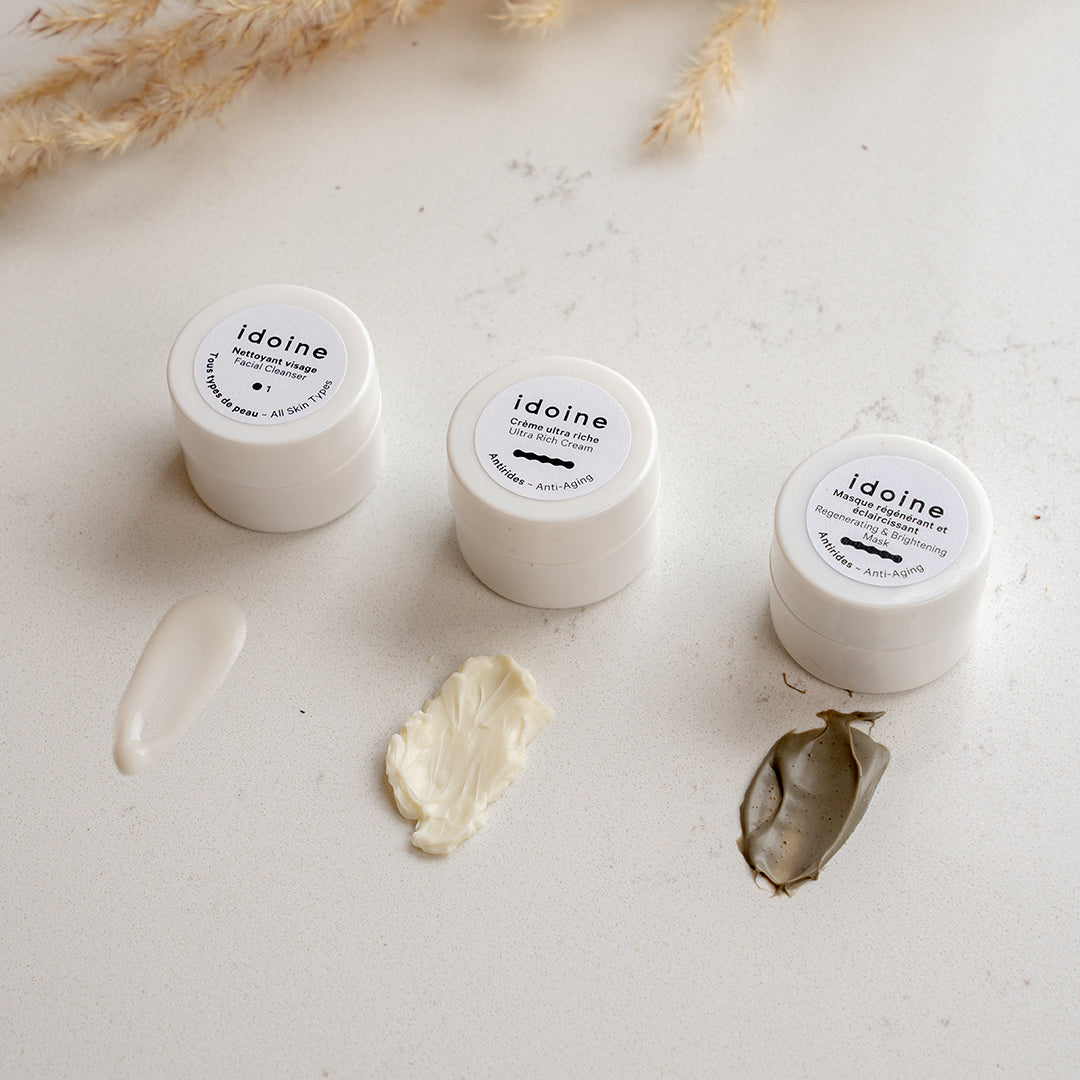
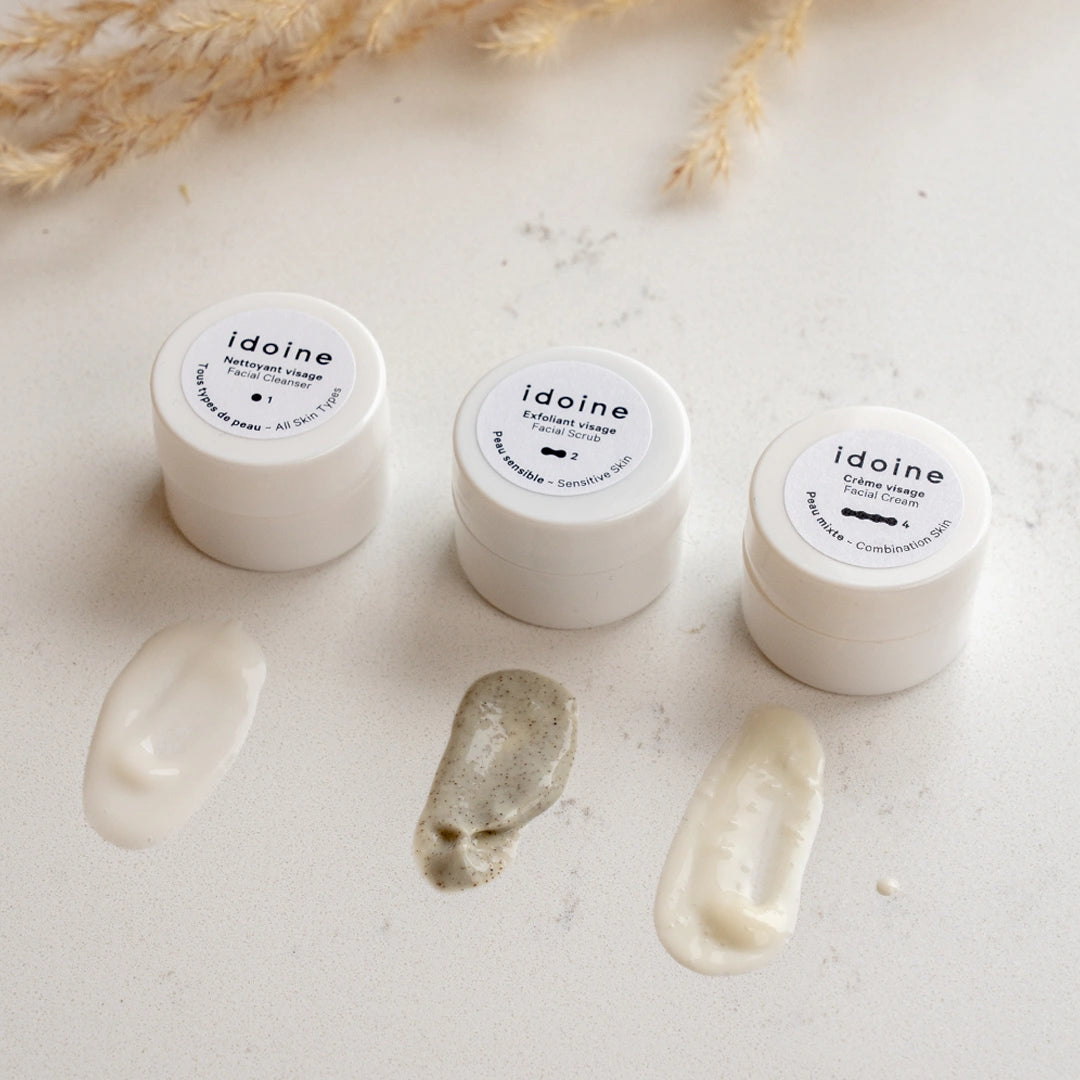
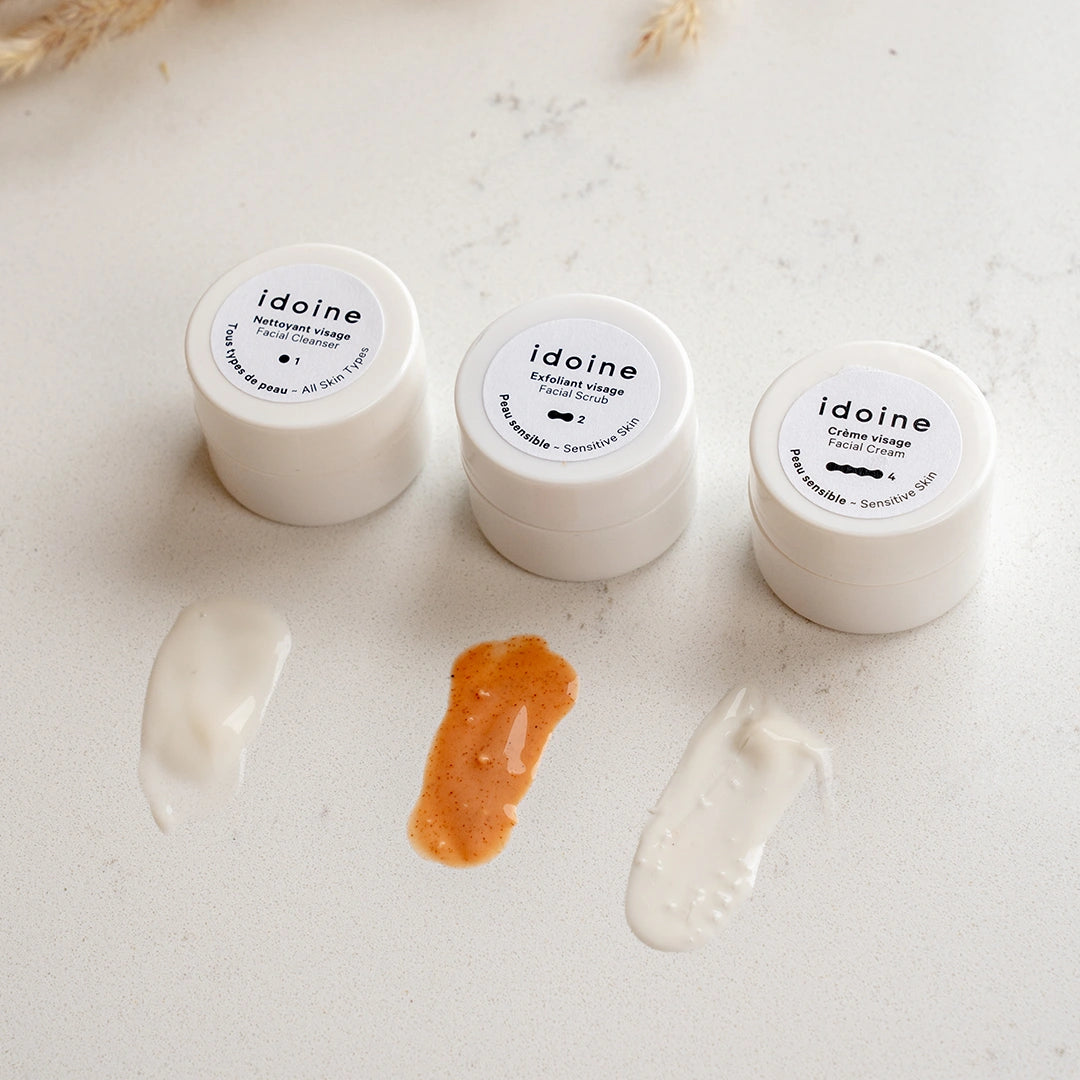
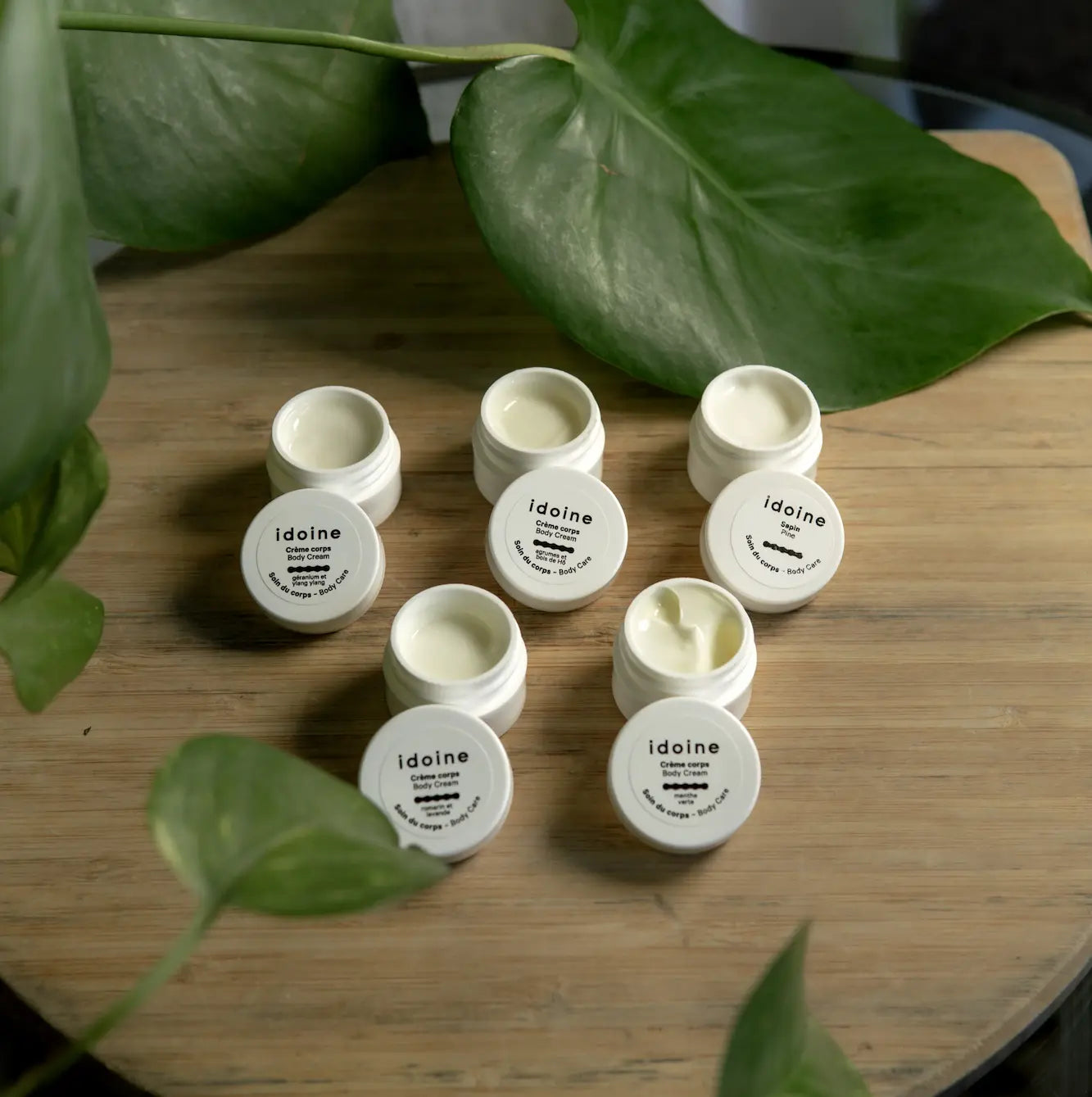
Idoine Bio offers natural skincare tailored to your skin type, formulated without harmful ingredients, designed to support the skin rather than overstimulate it.
Each product respects skin balance thanks to botanical ingredients rich in nutrients, antioxidants, and natural active compounds.
Recommended natural skincare for your skin type
For dry skin
-
Nourishing creams rich in plant lipids
-
Protective oils (without weighing down)
-
Hydrating serums
For oily skin
-
Gentle, non-stripping cleansers
-
Natural purifying treatments
For combination skin
-
Balancing serums
-
Gentle T-zone purification
-
Light hydration for cheeks
For normal skin
-
Minimalist routine
-
Daily hydration
-
Antioxidant protection
Why choose Idoine Bio for your natural skincare?
Idoine Bio offers natural skincare tailored to your skin type to precisely meet the needs of all four skin types, without irritating ingredients or controversial substances.
Idoine Bio's strengths
-
Natural and responsible formulas
-
Powerful botanical ingredients
-
Ecological approach (no returns, discovery sizes)
-
Artisanal Quebec manufacturing
-
Total respect for all skin types
Key benefits
-
Supports skin comfort and natural balance
-
Protects the skin barrier
-
Suitable even for sensitive skin
-
Allows for building a simple, effective, and sustainable routine
Whether you have dry, oily, combination, or normal skin, natural skincare tailored to your skin type adjusts to your skin's essential needs.
Conclusion
Understanding your skin type is the key to an effective, respectful, and sustainable routine. Every skin is unique, but the four skin types—dry, oily, combination, and normal skin—have distinct needs.
Thanks to natural skincare tailored to your skin type, you can rebalance your skin, strengthen your skin barrier, and restore a more radiant complexion.
Idoine Bio stands out as a coherent, ethical, and effective solution to support a sensory, natural, and sustainable routine.
FAQs
How can I easily identify my skin type?
Identifying your skin type requires neither specific equipment nor technical knowledge. After cleansing your face with a gentle product, simply wait about thirty minutes without applying any cream or serum. Then observe the sensations and appearance of your skin. If your face feels uniformly tight, this generally corresponds to dry skin. Widespread shine, especially across the entire face, indicates oily skin. When only the T-zone shines while the cheeks remain normal or dry, it is most often combination skin. Finally, comfortable, supple, and even skin corresponds to normal skin. This guide to identifying your skin type provides a reliable basis for adapting your routine.
What are the four skin types and their differences?
Dermatologists distinguish the four skin types based on sebum production, natural hydration, and the state of the skin barrier. Dry skin is characterized by a lack of lipids, frequent tightness, and lasting discomfort. Oily skin produces excess sebum, leading to shine, dilated pores, and sometimes blemishes. Combination skin combines these two profiles, with an oilier T-zone and normal to dry cheeks. Finally, normal skin presents an overall balance, without excess sebum or significant dryness. Understanding these differences allows you to accurately identify your skin type and prioritize natural skincare tailored to your skin type, respecting its real needs.
What is the rarest skin type today?
Among the four skin types, normal skin is now the rarest in adults. External aggressors such as pollution, chronic stress, climatic variations, and repeated use of unsuitable skincare gradually weaken the skin's balance. Many initially normal skins thus evolve towards dry or combination skin, two profiles more sensitive to environmental imbalances. It is therefore increasingly difficult to maintain perfectly comfortable and stable skin in the long term. However, even if your skin type is not naturally normal, adopting natural skincare tailored to your skin type can help restore comfort, strengthen the skin barrier, and durably improve skin balance.
What natural skincare should I choose according to my skin type?
The choice of skincare is primarily based on your skin type, not on trends or universal promises. Dry skin needs nourishing textures, rich in plant lipids, to restore the skin barrier and reduce tightness. Oily skin, on the other hand, requires light products that can regulate sebum without stripping or drying it out. Combination skin demands a balanced approach, with gentle purification for the T-zone and adapted hydration for the cheeks. Finally, normal skin is content with a simple, protective, and regular routine. Choosing natural skincare tailored to your skin type allows you to respect skin balance, avoid unnecessary reactions, and build a lasting and coherent routine.