How to match your skin care to your skin type
It starts with your skin type . Without knowing it, even the best skin care won't be enough.
In this guide:
-
Find out your true skin type — no more guesswork
-
Build a skincare routine that finally makes sense
-
Find out which ingredients help (or harm)
-
Adapt your routine according to the seasons, without frustration
-
Get clear answers to often misunderstood questions
Let's put an end to trial and error—and treat your skin the way it deserves.
📈 Why it is essential to know your facial skin type
Before establishing a routine, it's crucial to understand your facial skin type . Too often, temporary changes—like breakouts or dryness—are mistaken for permanent characteristics. However, your skin's fundamental behavior doesn't change overnight. Misunderstanding this can lead to poor choices.
-
Dry skin often feels tight and flaky.
-
Oily skin shines and is prone to blemishes.
-
Sensitive skin reacts easily to products or climate.
-
Combination skin has oily areas and dry areas.
-
Normal skin is generally balanced and easy to maintain.
When you truly understand how your skin works , you can approach your skin care with clarity rather than confusion—choosing ingredients and habits that support your skin, instead of working against it.
🌿 Understanding the five main facial skin types
1. Normal
Smooth, balanced, and rarely reactive, this facial skin type tends to behave naturally—but that doesn't mean it should be ignored. Pores are small, texture is even, and blemishes are rare. While it's low-maintenance, it still benefits from daily care.
Care tips:
-
Use a gentle cleanser to refresh without stripping.
-
Moisturize lightly to preserve natural moisture.
-
Don't forget sunscreen—even healthy skin needs protection.
A little consistency is enough to preserve its shine and vitality.
2. Dry
This type of facial skin doesn't produce enough sebum, which can make it tight, rough, or flaky. It often appears dull, and colder weather can make it worse.
Care tips:
-
Choose a creamy, non-foaming cleanser to avoid drying out.
-
Nourish with rich creams or oils that strengthen the moisture barrier.
-
Avoid products containing alcohol or harsh ingredients.
Think of hydration as a daily ritual—inside and out—for that thirsty complexion.
3. Grasse
Shine, enlarged pores, and frequent breakouts often define this skin type . It's the result of overactive sebaceous glands, especially in the T-zone. The upside? Oily skin tends to age more slowly.
Care tips:
-
Cleanse gently twice a day — overwashing can make things worse.
-
Choose oil-free and non-comedogenic moisturizers.
-
Use ingredients like salicylic acid or niacinamide to regulate sebum.
The goal isn't to eliminate fat—it's to restore balance without damaging the skin.
4. Combination skin
This skin is all about contrasts—oily in the T-zone, but dry or normal on the cheeks. It can be tricky to manage, but a little balance goes a long way.
Care tips:
-
Use a gentle cleanser that respects the entire face.
-
Apply mattifying treatments only where needed.
-
Moisturize dry areas with lightweight, hydrating formulas.
Think of your face in zones—it deserves a routine tailored to each.
5. Sensitive skin type
This skin often reacts without warning—whether it's to the weather, stress, or a new product. Redness, itching, and irritation are among them.
Care tips:
-
Simplify your routine with products with minimalist formulas.
-
Avoid known irritants like alcohol, perfumes, and harsh acids.
-
Turn to soothing ingredients like oatmeal, aloe vera, and chamomile.
This skin needs gentleness, patience and a constant, soothing routine to establish a relationship of trust over time.
📊 Factors that influence your skin type
Your skin type isn't set in stone. While it's largely determined by genetics, many everyday factors can change its behavior:
-
Genetics : How your skin naturally functions is often hereditary.
-
Climate : Humidity, wind, and sun exposure can affect hydration levels.
-
Hormones : Stages such as puberty, pregnancy or menopause can alter sebum production.
-
Diet and Hydration : What you eat—and how much water you drink—influences skin texture and radiance.
-
Stress and sleep : Both can disrupt your skin's natural regeneration cycle and balance.
Even if the nature of your skin remains relatively stable, these factors can cause noticeable changes in its appearance and texture over time.
💡 Signs your products aren't right for your skin type

Sometimes your skin speaks louder than your skincare shelf. If your products don't match your skin type , it will send you clear signals:
-
Dry skin becomes tighter or rougher after cleansing.
-
Oily skin shines more and has more imperfections.
-
Sensitive skin becomes red, irritated, or itchy.
-
Combination skin is both oily and dry depending on the area.
-
Normal skin shows signs of dryness, dullness, or clogged pores.
These signs are your skin's way of saying, "This isn't working." Recognizing them early can save you a lot of long-term discomfort.
🔢 Build a routine adapted to your facial skin type
A good skincare routine doesn't have to be complicated—it just needs to be consistent. Most routines rely on three key steps:
-
Cleanse : Gently remove impurities, excess sebum and residue without damaging the skin.
-
Moisturize : Maintain skin softness and suppleness with nourishing ingredients.
-
Protect : Daily sunscreen application is a must—your future self will thank you.
You can always enrich these bases with serums, exfoliants or masks, depending on your needs and the season.
🌺 Effective skincare ingredients according to skin types

Skincare is most effective when the ingredients truly match what your skin needs. The right choices can soothe, balance, or brighten—depending on your specific concerns :
-
Dry skin : Hyaluronic acid, moringa oil, squalane, shea butter
-
Oily skin : Niacinamide, witch hazel, clay, zinc
-
Sensitive skin : Oat extract, aloe vera, calendula
-
Combination skin : Glycerin, jojoba oil, panthenol
-
Normal skin : Green tea, vitamin C, light oils
No matter your condition, it's always a good idea to avoid harsh sulfates, parabens, and synthetic fragrances.
❌ Common Myths About Skin Types
-
Myth : Oily skin doesn't need moisturizer.
-
Truth : It needs hydration, but without extra fat .
-
Myth : Sensitive skin does not tolerate any active ingredients.
-
Truth : Gentle actives, such as azelaic acid, may be suitable .
-
Myth : Normal skin doesn't require any care.
-
Truth : Prevention is better than cure .
-
Myth : One product fits all skin types.
-
Truth : Formulations must be tailored to each individual's specific needs .
🤔 What if you don't know your skin type?
If you're not sure, try this test:
Wash your face and do not apply anything for an hour.
Then observe your skin's reaction:
-
Shiny all over = oily skin
-
Tight or peeling = dry skin
-
Shiny only on the T-zone = combination skin
-
Redness or itching = sensitive skin
-
Comfortable and balanced = normal skin
This test can help you recognize your facial skin type before choosing your products.
📅 Seasonal changes and skin types
Your skin type doesn't necessarily change, but its behavior can vary — especially depending on the season:
-
Winter : Opt for richer hydration to soothe dry or reactive skin.
-
Summer : Choose light, mattifying products and don't forget sunscreen.
-
Spring/Fall : Rebalance and regenerate after weather extremes.
Listening to what your skin is telling you throughout the year allows you to respond thoughtfully— rather than haphazardly .
🌿 Idoine Bio: skincare rooted in nature

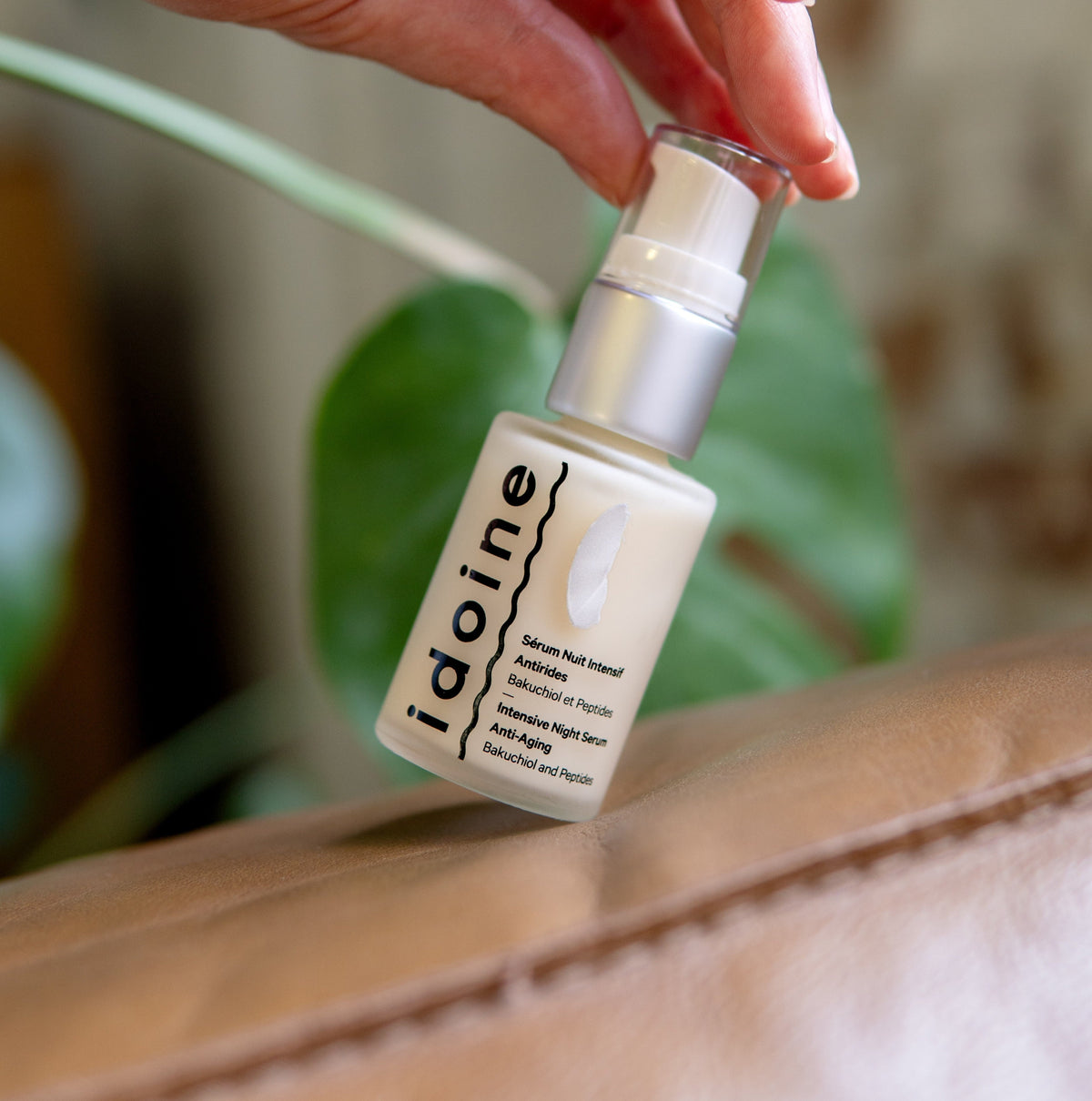
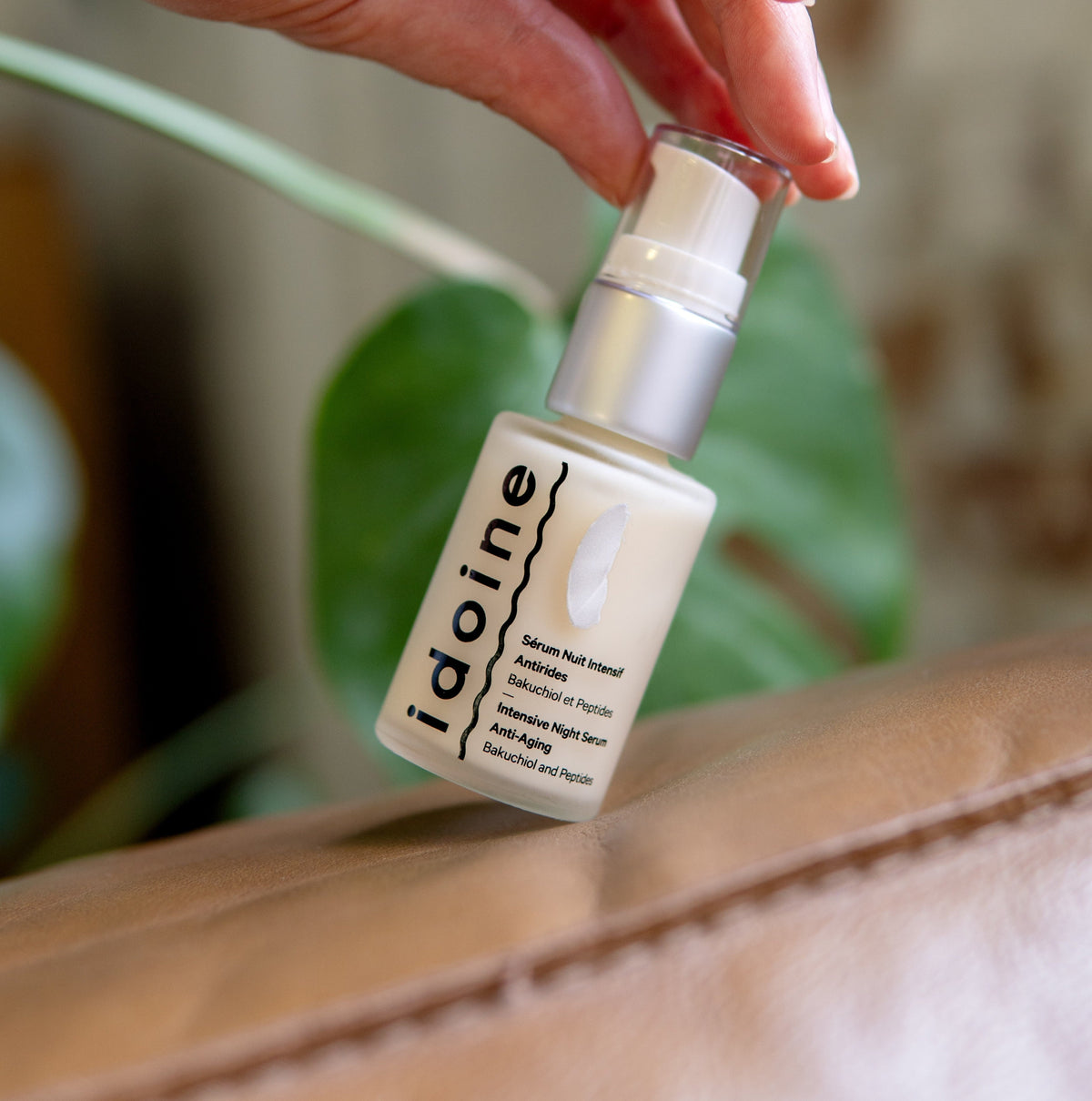
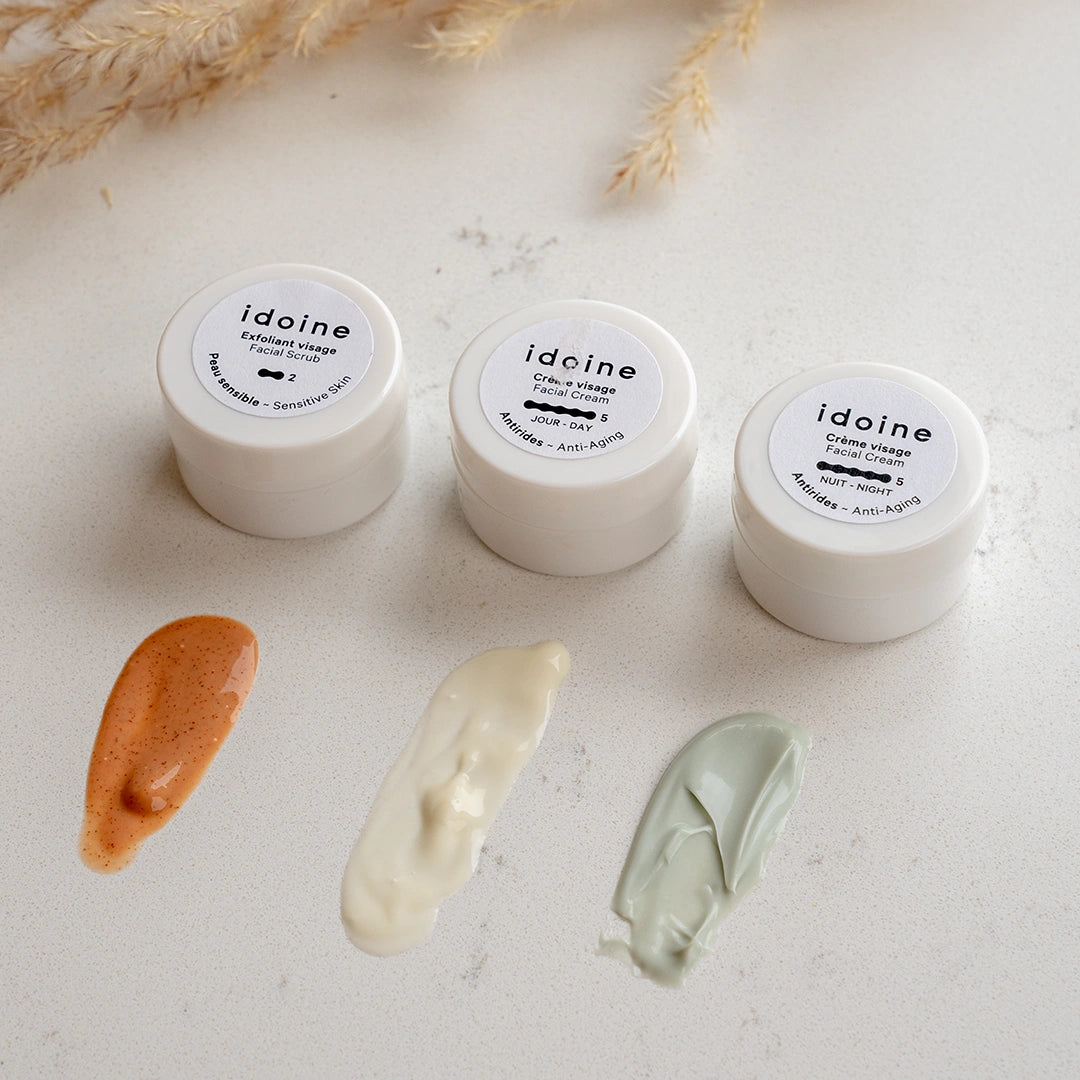
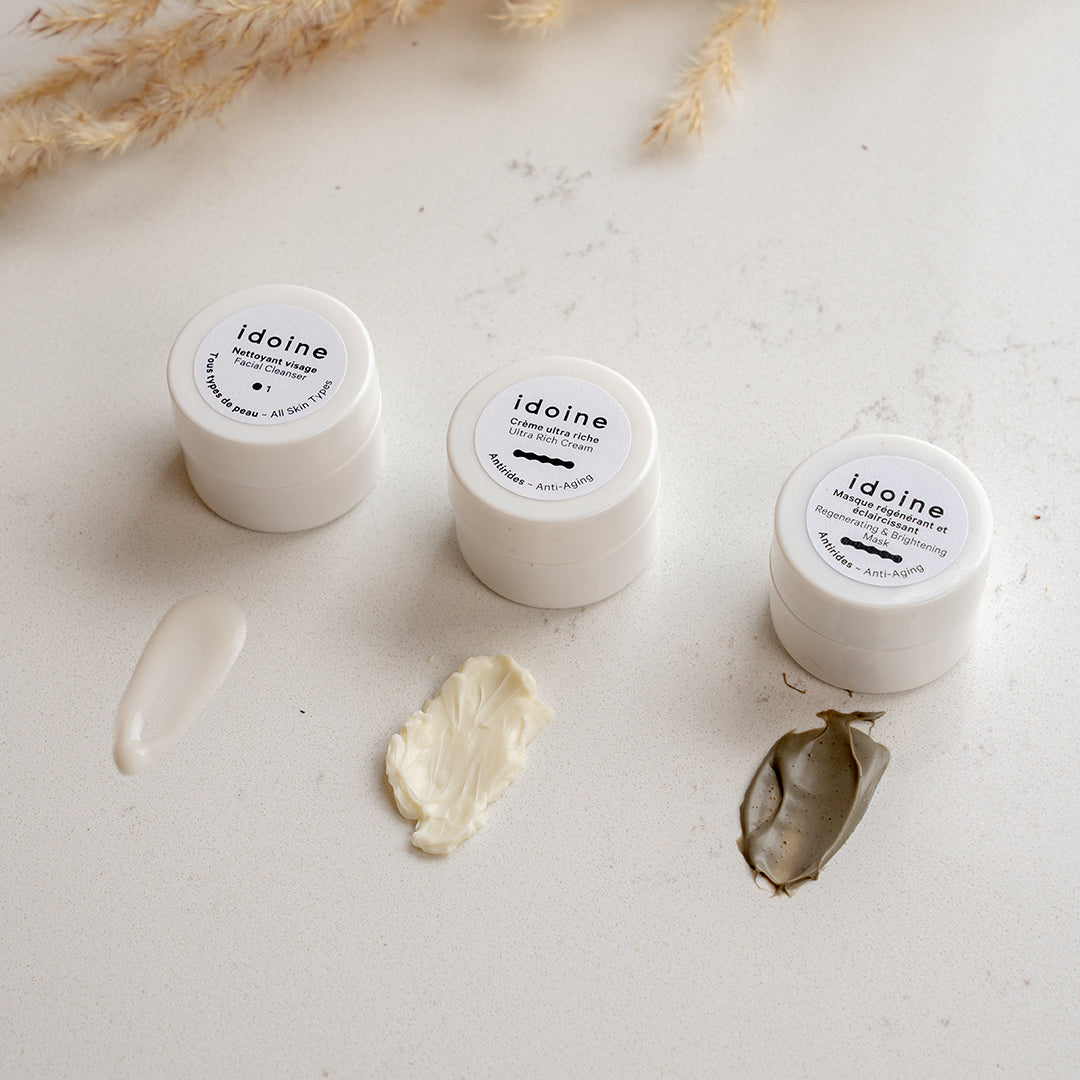
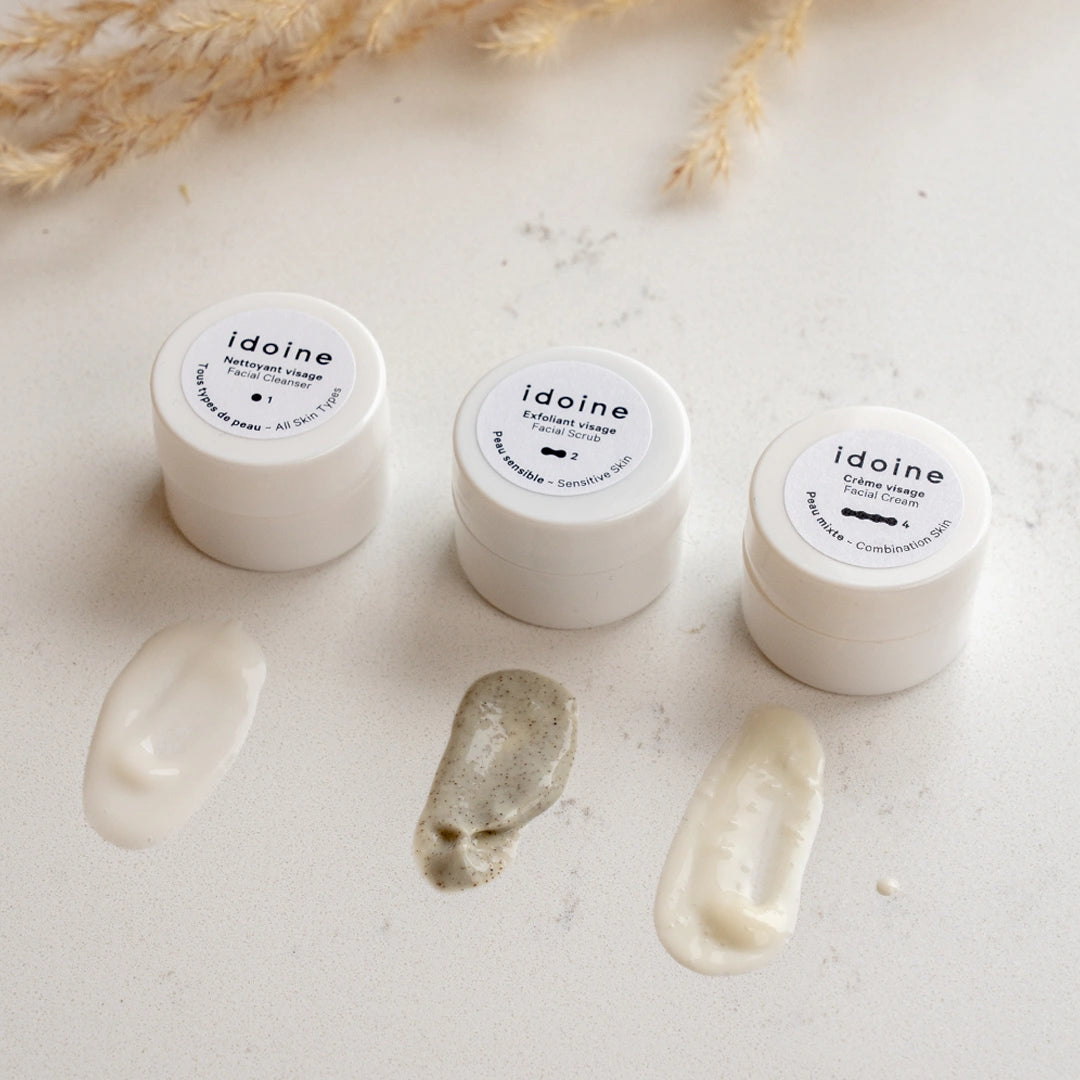
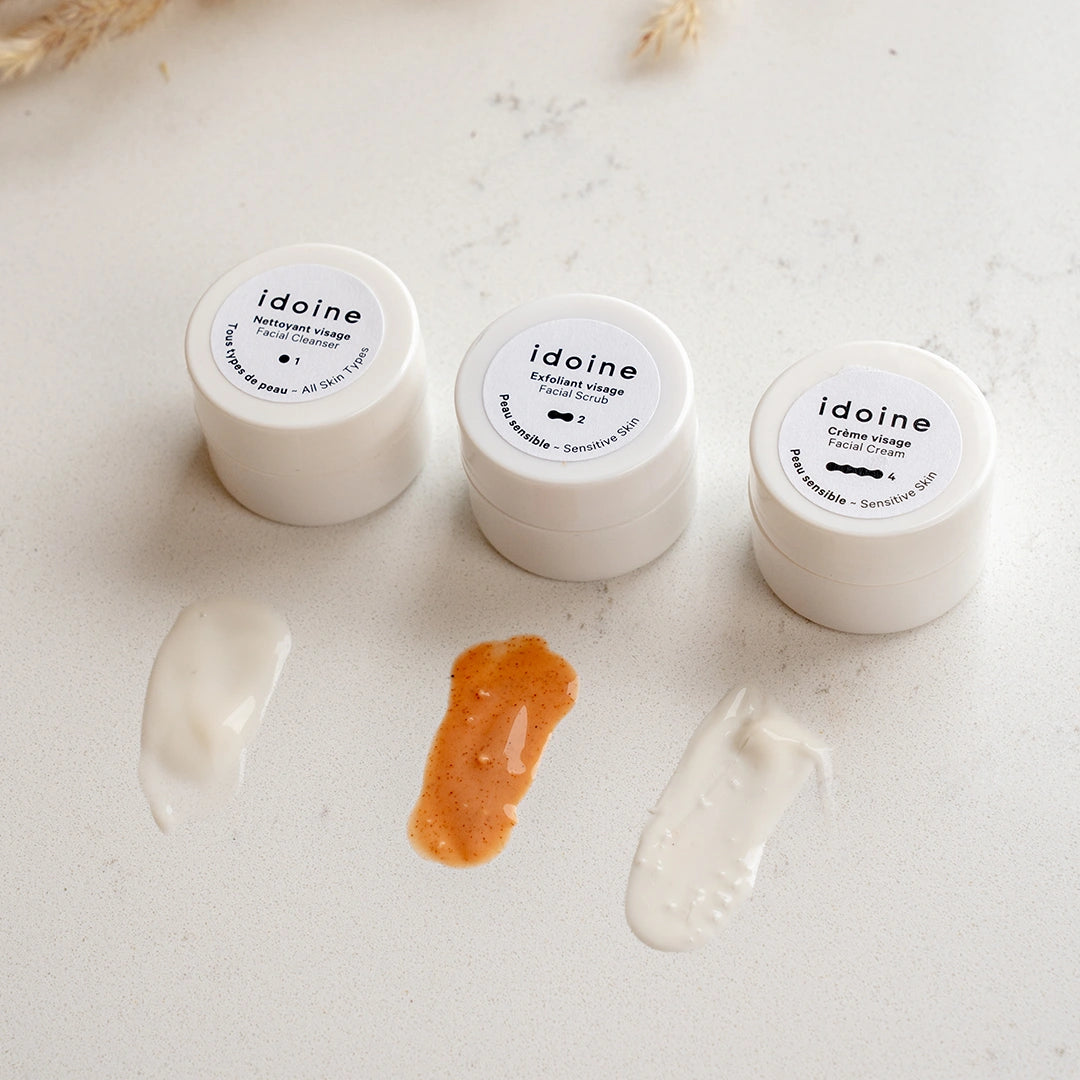
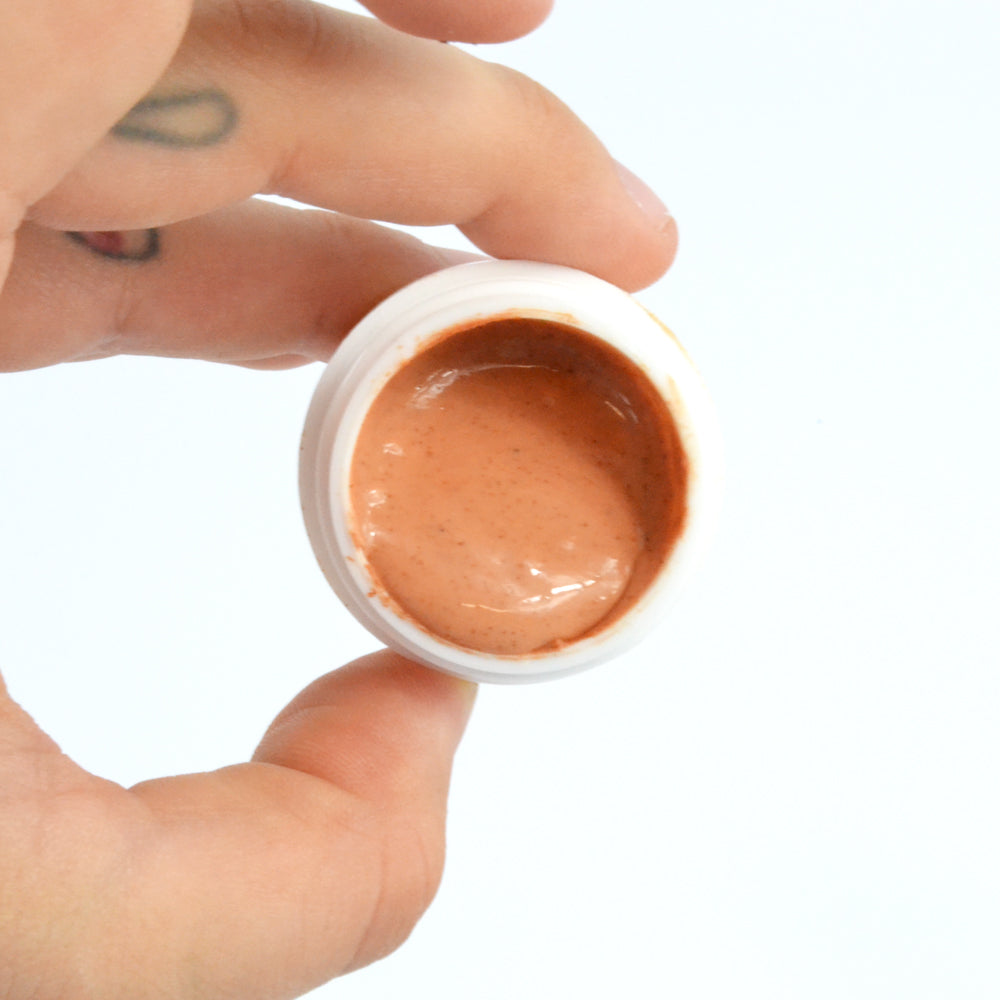
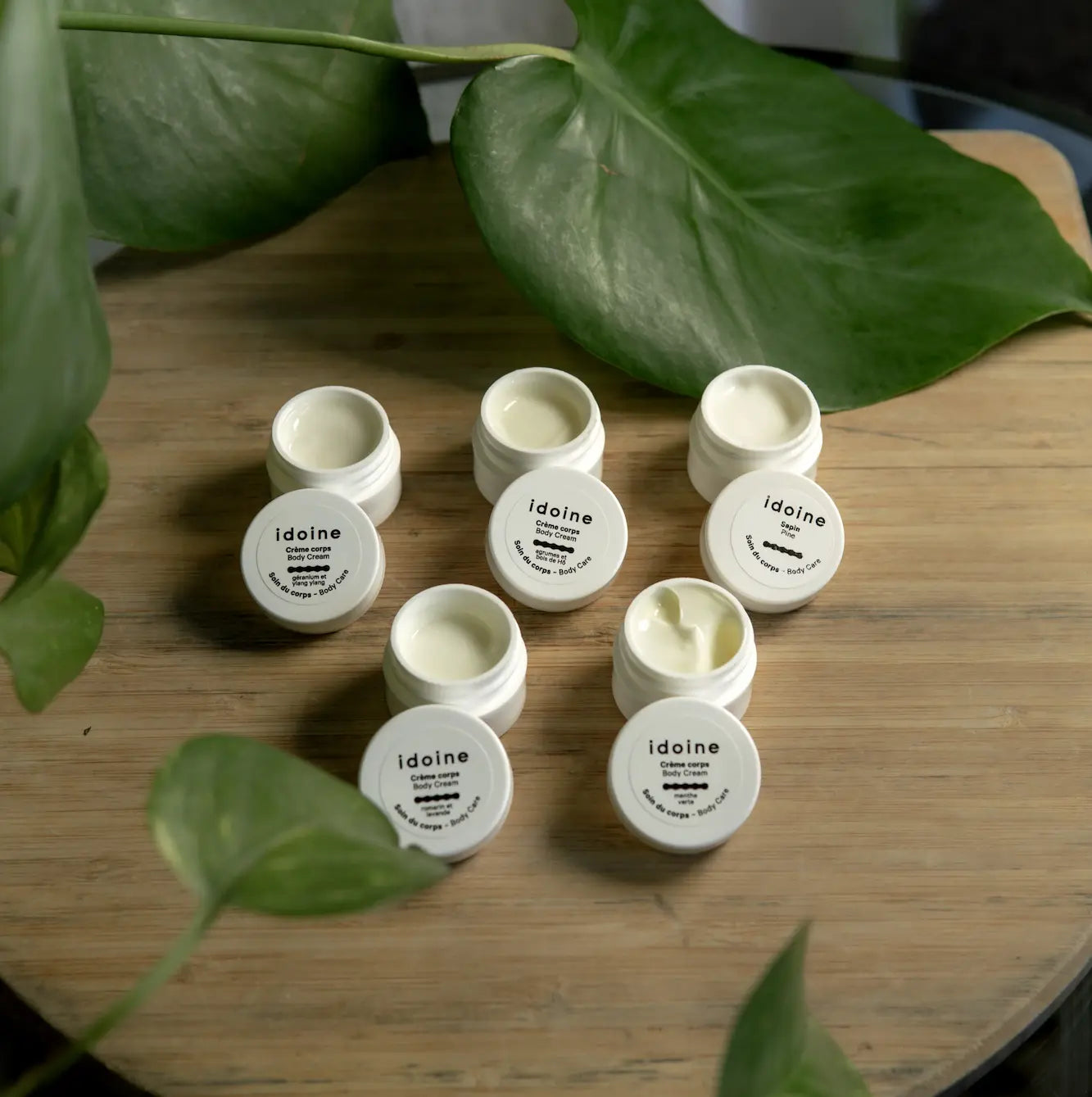
At Idoine, we offer five complete skincare lines : anti-aging, sensitive skin, combination skin, body care, and universal formulas—all designed to support your skin's natural balance. Our products are formulated with certified organic moringa oil and therapeutic plant essences to gently and effectively address the specific needs of each woman's skin.
Made in Quebec , our biocosmetic line is vegan, fair trade , and free of controversial ingredients. From the recyclable packaging to the screen-printed glass bottles, every detail reflects our deep commitment to sustainability, skin health, and conscious beauty.
✨ Discover our complete ranges to find the one that naturally suits your skin.
💬 FAQ
1. Can my skincare routine stay the same all year round?
Not quite. Skin's needs vary with the seasons , so your routine should adjust too. In winter, cold weather and heating dry out skin—you'll need richer creams and ultra-hydrating ingredients. In summer, heat and sun exposure require lightweight, non-comedogenic products , not to mention daily sunscreen . Spring and fall often bring temporary imbalances—like more sensitive or dull skin. Adapting your skincare routine helps your skin stay comfortable and healthy year-round. Listen to its cues, just like you adapt your clothes to the seasons.
2. Can my facial skin type change with age?
Yes, your facial skin type can change over the years. While your genetic makeup sets a baseline, factors like hormonal changes (menopause, stress), prolonged sun exposure, and cellular aging can make skin drier, thinner, or more sensitive . For example, oily skin in your 20s can become combination or dry after 40. Additionally, skin needs change—what worked at one age may not work later. That's why it's important to adjust your skincare routine over time.
3. How often should I exfoliate as part of my skincare routine?
Exfoliation is a key part of a healthy skincare routine , but moderation is key. For most people, once or twice a week is enough to remove dead skin cells and revive radiance. However, the ideal frequency depends on your skin's sensitivity, the type of exfoliant used, and its current condition. Over-exfoliating can lead to redness, irritation, or a damaged skin barrier—especially with strong acids or physical scrubs. Conversely, exfoliating too infrequently can leave skin looking dull or congested. Listen to your skin: start small and opt for gentle products tailored to your needs.
4. Can I skip moisturizer if I use a hydrating serum in my skincare routine?
No—serums and moisturizers serve different functions in a skincare routine . A hydrating serum delivers powerful active ingredients like hyaluronic acid directly to the skin, but typically doesn't offer sufficient occlusive protection. Moisturizers, on the other hand, seal in that moisture and form a protective barrier against water loss, day and night. Skipping moisturizer can leave skin vulnerable to dryness, even if it feels supple after the serum. For best results, apply the serum first, then a moisturizer suited to your skin.
5. Do I need different products for morning and evening?
Often, yes. A well-thought-out skincare routine should follow your skin's natural rhythms and its needs at different times of the day. In the morning, the goal is protection: light hydration, antioxidants, and especially sunscreen to protect against UV rays. In the evening, the skin naturally regenerates, so this is the ideal time to use rich creams, retinol or peptide serums, and nourishing oils. Using different skincare products helps support your skin without overwhelming it. For example, retinoids are best reserved for the evening to avoid sun reactions.
🌟 Listen to Your Skin, Glow Naturally
The secret to an effective skincare routine isn't in the quantity of products, but in knowing your skin type . Whether dry, oily, sensitive, or combination, understanding your skin helps you choose what really works. With the right skincare, your routine becomes seamless, targeted, and transformative. Listen to your skin—and let your natural glow speak for you.