Helichrysum for Eczema: Healing Properties and How to Use It Safely
Living with eczema can be physically uncomfortable and emotionally exhausting. Persistent itching, redness, and flare-ups often push people to search beyond conventional treatments, especially when long-term steroid use raises concerns. This is why interest in helichrysum for eczema has grown steadily in recent years. Known for its soothing and regenerative properties, helichrysum has become one of the most discussed botanical options for inflammatory skin conditions.
This article explores whether helichrysum essential oil eczema applications are truly beneficial, how the plant works on inflamed skin, and how to use it safely without worsening symptoms. You will also learn how to choose between essential oil and hydrosol, which carrier oils best support eczema-prone skin, and what realistic results to expect when incorporating helichrysum into a gentle skincare routine.
What Is Eczema and Why Do People Seek Natural Remedies?
Eczema is a broad term used to describe several inflammatory skin conditions characterized by itching, redness, dryness, and compromised skin barrier function. The most common form is atopic dermatitis, which is often chronic and associated with genetic and immune system factors. Another common type is contact dermatitis, which occurs when the skin reacts to an irritant or allergen.
In both atopic dermatitis and contact dermatitis, the skin barrier is impaired. This allows moisture to escape while irritants and microbes enter more easily. Scratching worsens the damage, creating the itch scratch cycle that makes eczema difficult to control.
Conventional treatments often rely on topical corticosteroids to reduce inflammation. While effective for short-term symptom control, prolonged use can lead to side effects such as skin thinning, rebound flares, and increased sensitivity. These concerns drive many people to explore natural remedies for eczema that focus on long-term skin barrier repair rather than suppression alone.
Another factor is the role of bacterial colonization. Research shows that many eczema lesions are colonized by Staphylococcus aureus, which can intensify inflammation and delay healing. This has increased interest in essential oils for eczema that offer both anti-inflammatory and antimicrobial support while remaining gentle when properly used.
What Is Helichrysum Italicum and Where Does It Come From?
Helichrysum italicum is a flowering plant belonging to the botanical family Asteraceae. It is commonly known as immortelle, everlasting, or curry plant due to its warm herbal aroma. The plant grows primarily in Mediterranean regions such as Corsica, Croatia, and parts of Italy, where it thrives in dry, rocky soils.
The essential oil is produced through steam distillation of the flowering tops. This extraction method preserves delicate aromatic compounds responsible for the plant’s therapeutic activity. Not all helichrysum species are chemically identical, which is why species identification matters. Helichrysum italicum contains unique bioactive molecules not found in other varieties, making it the preferred choice for skin applications.
Traditionally, helichrysum has been used to support wound healing, reduce inflammation, and promote tissue regeneration. These historical uses align closely with modern interest in the benefits of Helichrysum italicum for compromised and reactive skin.
Helichrysum Healing Properties That May Help Eczema
The growing interest in helichrysum healing properties is rooted in both traditional use and emerging scientific research. Several mechanisms make this plant particularly relevant for eczema-prone skin.
Helichrysum exhibits strong anti-inflammatory properties that may help calm redness, swelling, and discomfort associated with flare-ups. Its activity is linked to unique compounds such as neryl acetate, italidiones, and arzanol, which influence inflammatory pathways without aggressively suppressing skin function.
The plant also demonstrates antimicrobial properties. Studies have shown activity against certain bacteria, including Staphylococcus aureus, which is commonly found on eczema-affected skin. Reducing bacterial load may support healing and reduce secondary infection risk.
Another key benefit is its role in skin barrier repair. Helichrysum supports cellular regeneration and tissue repair, which is especially helpful for skin that has been scratched or cracked. Its antioxidant profile further protects skin from free radical damage that can worsen inflammation over time.
Anti-Inflammatory Compounds in Helichrysum
Arzanol is one of the most studied compounds in Helichrysum italicum. It modulates inflammatory signaling rather than fully blocking it. This distinction matters because healthy inflammation is part of normal skin repair.
Alpha bisabolol also contributes to calming irritated skin while supporting tolerance. Unlike pharmaceutical anti-inflammatory agents that suppress immune response, helichrysum works by restoring balance. This makes it particularly appealing for long-term supportive care rather than short-term crisis management.
Antimicrobial Action Against Skin Pathogens
Research suggests that helichrysum essential oil can inhibit the growth of certain bacteria involved in skin infections. For eczema sufferers, this matters because colonization by Staphylococcus aureus is linked to increased flare severity.
Preventing secondary infection supports faster recovery and reduces the risk of oozing or crusted lesions. This antimicrobial support is one reason helichrysum oil for skin inflammation is often chosen over harsher antiseptics that can further damage the skin barrier.
Helichrysum Essential Oil vs Helichrysum Hydrosol for Eczema
Choosing the right format is essential when using helichrysum essential oil eczema care routines. Essential oils and hydrosols offer very different strengths and tolerability profiles.
Helichrysum essential oil is highly concentrated and must always be diluted in a carrier oil. When properly diluted, it offers strong therapeutic activity and is best suited for localized areas or blended formulations.
Helichrysum hydrosol is the aromatic water produced during steam distillation. It contains trace amounts of the plant’s water-soluble compounds and is significantly gentler. This makes it suitable for highly sensitive, inflamed, or facial eczema.
Hydrosol is often preferred for children or individuals who react to essential oils. Essential oil may be appropriate for thicker skin areas or chronic patches when inflammation is under control.
Some people combine both by misting hydrosol first, then applying a diluted essential oil blend to seal in moisture and benefits.
Why Proper Dilution Matters When Using Helichrysum for Skin Inflammation?
One of the most important safety considerations when using helichrysum for eczema is dilution. Undiluted application of essential oils can irritate compromised skin and worsen symptoms.
Atopic skin has a weakened barrier and increased permeability. This means it absorbs substances more readily, increasing the risk of irritation even from gentle oils.
For eczema-prone skin, recommended dilution ratios are low. A one to two percent dilution is appropriate for body application. For facial use, a point five to one percent dilution is safer.
Patch testing is essential. Apply a small amount of the diluted blend to the inner forearm and wait twenty-four hours. If redness, itching, or burning occurs, discontinue use.
Signs that indicate you should stop include increased itching, spreading redness, or a burning sensation. These reactions signal that the skin needs rest and barrier repair rather than additional actives.
Best Carrier Oils to Pair With Helichrysum Essential Oil for Eczema
-
Carrier oils play a critical role in how essential oils for eczema perform. The right carrier can enhance benefits, improve absorption, and support skin barrier repair.
-
Jojoba oil closely mimics human sebum. It creates a protective barrier without clogging pores and offers mild antiseptic properties. This makes it ideal for eczema-prone skin.
-
Virgin coconut oil provides antibacterial support and has been shown to reduce Staphylococcus aureus colonization. It also functions as an effective emollient, though it may feel heavier on some skin types.
-
Tamanu oil has a long history of use in wound healing traditions. It supports tissue regeneration and may help reduce the appearance of scarring from chronic scratching.
-
Sunflower seed oil is rich in linoleic acid, which supports ceramide production and barrier repair. It is often well tolerated by reactive skin.
-
Olive oil is generally avoided for eczema-prone skin due to its high oleic acid content, which may disrupt barrier function.
Jojoba Oil for Eczema Prone Skin
Jojoba oil’s sebum mimicking structure allows it to integrate easily into the skin barrier. It supports hydration without occlusion and pairs well with helichrysum’s anti inflammatory action.
Tamanu Oil as a Healing Booster
Tamanu oil, derived from Calophyllum inophyllum, is valued for its regenerative properties. When blended at low concentrations with helichrysum, it may support healing of cracked or thickened eczema patches.
How Our Clients Use Helichrysum in Their Eczema Care Routine?
Clients seeking natural remedies for eczema often share similar concerns. Many want to reduce reliance on steroids, avoid fragrance related triggers, and find solutions that support long term skin health.
Helichrysum is typically integrated into morning and evening routines. In the morning, clients apply a diluted blend after cleansing to calm itching before daily activities. In the evening, it is used to support overnight repair.
Feedback often includes reduced itch intensity, fewer flare ups, and improved skin texture over time. It is important to set realistic expectations. Helichrysum is not a cure, but a supportive tool.
Clients with severe or persistent eczema are encouraged to consult a dermatologist while using botanical care as a complementary approach. Quality sourcing and organic certification are consistently valued for safety and consistency.
How to Use Helichrysum Essential Oil for Eczema Step by Step
Using helichrysum essential oil eczema care correctly is essential for both safety and effectiveness. Follow these steps carefully to support irritated skin without worsening symptoms.
Step 1: Perform a patch test
Always start with a patch test before applying to eczema-affected skin. Apply a small amount of your diluted blend to the inner forearm and wait 24 hours. If redness, itching, or burning appear, do not use the blend.
Step 2: Choose the right carrier oil
-
Select a carrier oil based on your skin type and the severity of your eczema.
-
Jojoba oil and sunflower seed oil are often good starting points because they support skin barrier repair and are generally well tolerated.
Step 3: Dilute the essential oil properly
-
Never apply helichrysum essential oil undiluted.
-
For body application, use a dilution of one to two percent.
-
For facial eczema, stay below one percent to reduce the risk of irritation.
Step 4: Apply gently to affected areas
Apply a small amount of the diluted blend to eczema-prone areas two to three times daily. Use light pressure and avoid rubbing, as friction can aggravate inflamed skin.
Step 5: Seal with a moisturizer
After the oil has absorbed, layer a fragrance-free moisturizer on top. This helps seal in hydration and supports long-term skin barrier repair.
Step 6: Consider alternative application methods
Helichrysum can also be used by adding a properly diluted blend to a bath or by misting helichrysum hydrosol onto the skin before applying your oil blend.
Step 7: Set realistic expectations
In the first week, many people notice itch relief. Visible reduction in redness may take several days to two weeks. Long-term improvement typically requires consistent use over several weeks.
Simple Helichrysum Eczema Blend Recipe
Ingredients
-
Thirty milliliters of jojoba oil
-
Six drops of helichrysum essential oil
Instructions
-
Combine the oil and essential oil in a dark glass bottle.
-
Mix gently by rolling the bottle between your hands.
Storage and shelf life
-
Store away from heat and light.
-
Use within six months for the best quality.
Precautions and Who Should Avoid Helichrysum
Although generally well tolerated, helichrysum can cause allergic contact dermatitis in rare cases. Proper dilution reduces this risk.
Those taking medications affecting liver enzymes should consult a healthcare professional before use.
-
Avoid use during pregnancy and nursing as a precautionary measure.
-
Not recommended for infants and young children without professional guidance.
-
Avoid contact with eyes and mucous membranes.
-
Never ingest essential oils.
-
Discontinue use if symptoms worsen or signs of sensitization appear.
How Idoine Bio Integrates Helichrysum Into Gentle Eczema Routines?
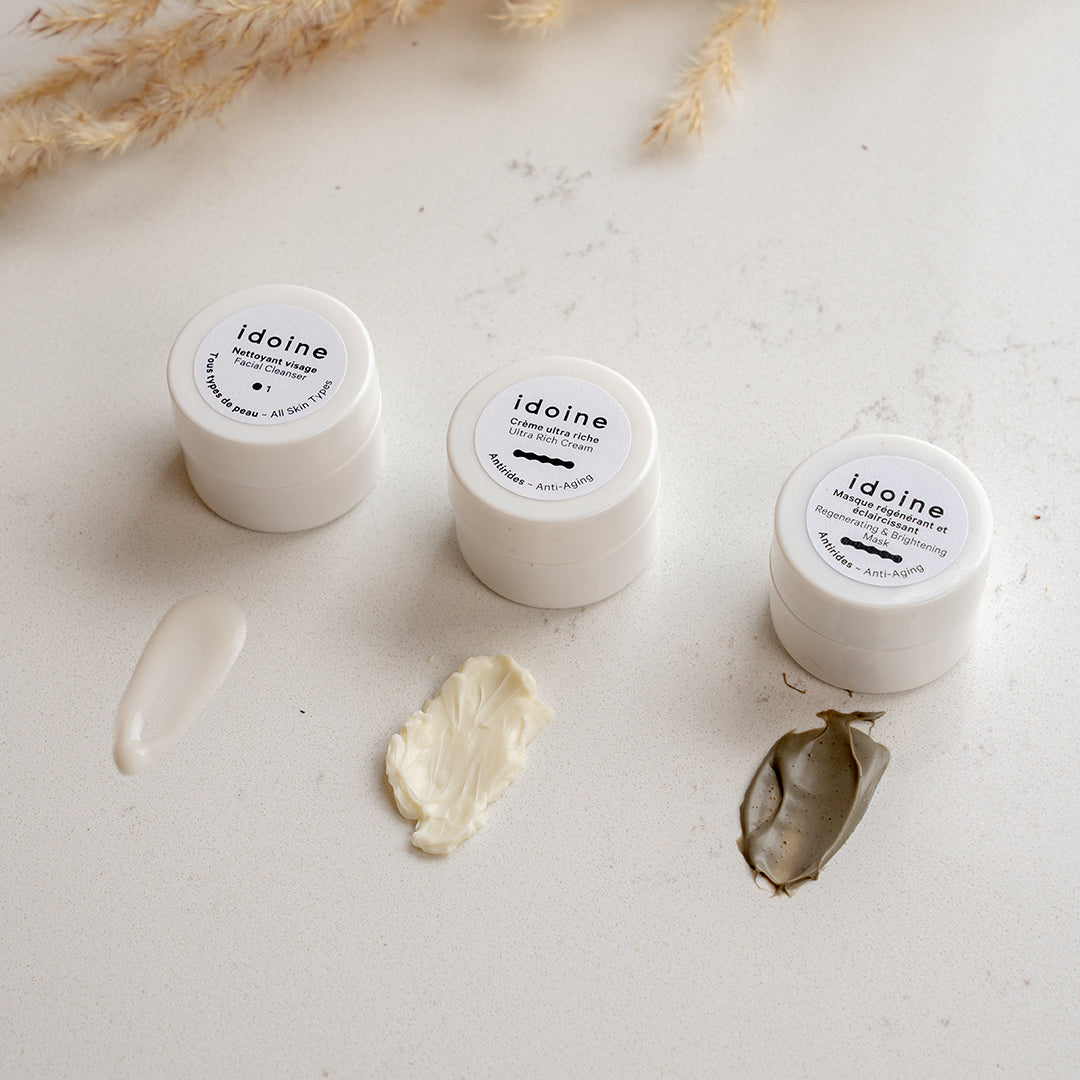
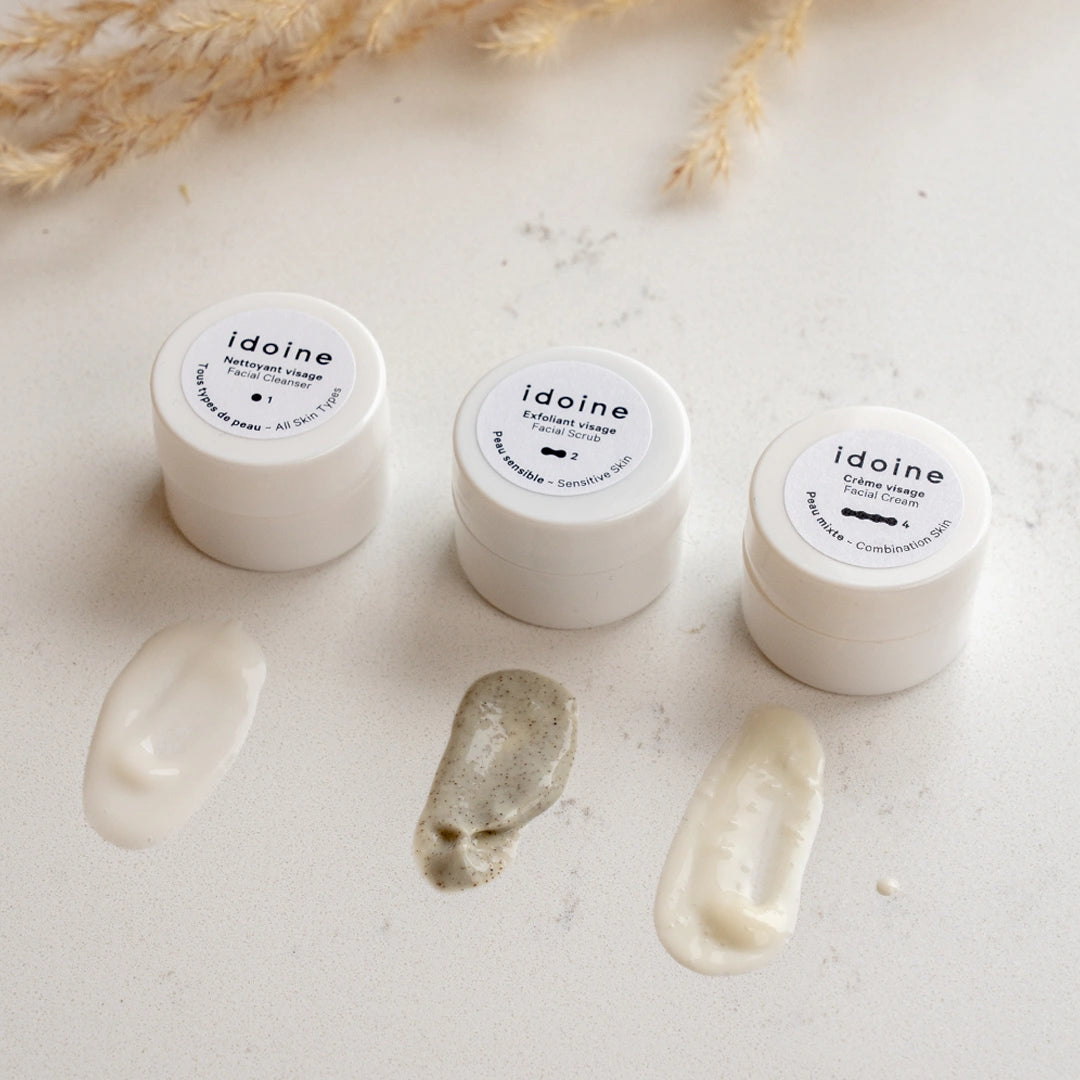
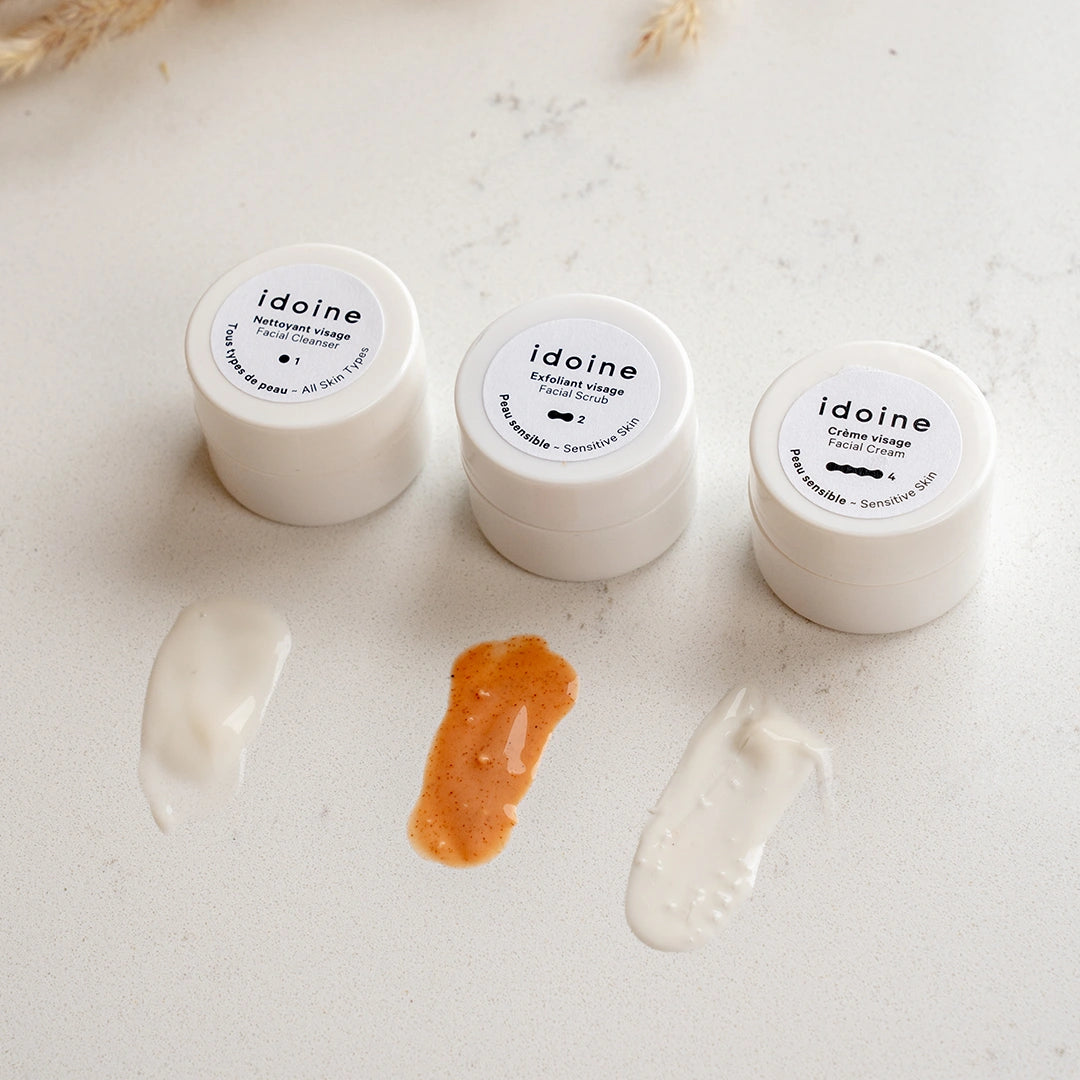
At Idoine Bio, eczema care is approached with caution, transparency, and respect for sensitive skin. Many clients who turn to the brand are looking for natural remedies for eczema that support the skin barrier over time, rather than quick fixes that may lead to rebound irritation. Concerns about long term steroid use, ingredient overload, and fragrance sensitivity are common starting points.
Helichrysum is often of interest because of its reputation for calming inflammation and supporting skin repair. When clients ask about helichrysum italicum benefits, the focus is always on proper use, realistic expectations, and skin tolerance. Helichrysum is presented as a supportive botanical, not a cure, and always within the context of a gentle, consistent routine.
Clients typically integrate helichrysum into existing morning and evening care. In the morning, a low dilution blend may be used on localized areas to help calm itching before daily exposure to triggers. In the evening, helichrysum is used to support overnight skin barrier repair, often layered with a simple, fragrance-free moisturizer.
Feedback from clients using helichrysum in this way often includes reduced itch intensity, fewer flare-ups, and gradual improvement in skin texture. Results vary based on individual triggers, consistency of use, and overall skin health. For highly reactive or inflamed skin, hydrosol is often preferred as a gentler option.
Idoine Bio emphasizes ingredient quality, correct dilution, and organic sourcing. Clients are encouraged to see botanical care as part of a broader eczema management approach and to consult a dermatologist when symptoms are severe, widespread, or persistent.
Frequently Asked Questions
Can helichrysum essential oil cure eczema
No essential oil cures eczema. Eczema is a chronic inflammatory condition influenced by genetics, immune response, and environmental triggers. Helichrysum may help manage symptoms such as redness, discomfort, and slow healing, but it works best as supportive care within a broader routine. Persistent or severe eczema should always be managed with a healthcare professional.
Is helichrysum safe for sensitive or atopic skin
Helichrysum is generally considered gentle when properly diluted. However, undiluted application can worsen eczema and increase irritation. For highly sensitive or atopic skin, helichrysum hydrosol may be a safer option. Patch testing is essential before regular use.
What is the best carrier oil to use with helichrysum for eczema
Jojoba oil and sunflower seed oil are often well suited to eczema prone skin due to their barrier supporting properties. Tamanu oil may be helpful for thicker or chronically damaged areas. Coconut oil can provide antibacterial support for some users, while olive oil is generally avoided for eczema prone skin.
Conclusion
Helichrysum offers meaningful potential as a botanical ally for eczema prone skin when used with care, patience, and realistic expectations. Its anti inflammatory, antimicrobial, and regenerative properties make it particularly relevant for supporting irritated skin and helping restore comfort over time.
The key to success lies in correct dilution, thoughtful carrier oil selection, and respecting the limits of what natural care can do. When integrated into a gentle, barrier focused routine and supported by education, helichrysum can become a valuable part of long term eczema management for those seeking calmer, more resilient skin.