Essential Oils for Eczema: Which Therapeutic Oils Actually Help?
Living with eczema can be exhausting. Persistent itching, redness, and unpredictable flare-ups often push people to explore natural remedies for eczema when conventional treatments feel limited or come with unwanted side effects. Among the most searched options are essential oils for eczema, often promoted as soothing, plant-based alternatives for irritated skin.
This article takes a careful, evidence-informed look at essential oils for eczema treatment. It explains what essential oils are, which ones may help specific symptoms, how to use them safely, and where the risks lie. The goal is not to promise results, but to help you make informed decisions that respect the reality of eczema as a chronic skin condition.
What are essential oils, and how do they relate to eczema treatment?
Essential oils are concentrated plant extracts obtained by pressing or steaming parts of plants such as leaves, bark, flowers, or fruit. Unlike carrier oils, essential oils are highly potent and contain dozens of active chemical compounds, including terpenes, aldehydes, alcohols, and esters.
People with eczema, including atopic dermatitis, often turn to essential oils after frustration with long-term steroid use or when looking for complementary approaches to skin inflammation management. Interest is especially strong among those seeking natural remedies for eczema that align with holistic wellness values.
It is important to clarify that essential oils are not pure oils in the traditional sense. They are volatile aromatic compounds that evaporate quickly and can penetrate the skin barrier. For skin already compromised by eczema, this penetration can be both a potential benefit and a significant risk.
From a regulatory standpoint, essential oils are not regulated by Health Canada or the FDA as therapeutic products. This means purity, concentration, and contamination levels can vary widely between brands. Two bottles labeled as the same oil may differ significantly in chemical composition.
Clinical evidence supporting essential oils for eczema remains limited. Some oils show anti-inflammatory, antimicrobial, or anti-pruritic properties in laboratory or small-scale studies, but they should be viewed as supportive tools rather than treatments that replace medical care. Realistic expectations are essential. Essential oils may help manage certain symptoms for some individuals, but they do not cure eczema.
Best essential oils for eczema symptoms
When people search for the best essential oils for eczema, they are often looking for relief from itching, redness, or recurrent skin infections. A handful of oils have limited clinical research or long-standing traditional use that suggests potential benefit for specific eczema-related symptoms.
Each oil works differently. Some focus on antimicrobial activity, others on calming inflammation or reducing pruritus. Understanding these differences helps avoid a one-size-fits-all approach that can worsen sensitive skin.
Tea tree oil for eczema
Tea tree oil is derived from the leaves of Melaleuca alternifolia, a plant native to Australia. It is widely known for its antimicrobial and anti-inflammatory properties.
A 2010 study comparing herbal treatments for contact dermatitis found tea tree oil to be more effective than several other plant-based options. This is relevant because secondary bacterial infection can worsen eczema symptoms, particularly when scratching breaks the skin.
However, tea tree oil is also one of the most common essential oils associated with contact dermatitis. A 2016 study showed that undiluted tea tree oil significantly increased the risk of skin reactions, especially in individuals with sensitive or compromised skin.
Tea tree oil for eczema must always be diluted with a carrier oil. Because it is one of the strongest essential oils, higher dilution ratios are recommended. For many adults, starting at 0.5 percent dilution is safer than standard concentrations, especially during active flares.
Lavender oil for eczema
Lavender oil is often associated with calming effects and is widely used in aromatherapy. It has demonstrated anti-inflammatory properties in laboratory settings and is frequently recommended for stress-related skin conditions.
For eczema, lavender oil for eczema may offer indirect benefits by supporting relaxation and sleep. Stress is a known trigger for eczema flares, and reducing stress may help decrease flare frequency for some individuals.
Direct research on lavender oil and eczema is limited. While it is generally considered gentler than tea tree oil, it still requires dilution. Some research has raised concerns about potential endocrine-disrupting effects, particularly with repeated use in children. Caution is advised when considering lavender oil for pediatric eczema.
Peppermint oil for eczema
Peppermint oil contains menthol, which creates a cooling sensation on the skin. This effect can temporarily distract from itching, making it appealing for people with intense pruritus.
A 2016 study found that topical peppermint oil reduced chronic itching severity in people with diabetes and liver disease. While this research was not eczema-specific, it suggests a possible role in itch management.
Peppermint oil is highly concentrated and can easily irritate eczema-prone skin. Significant dilution is required. It should never be applied to the face or chest of infants or young children due to inhalation risks.
Chamomile oil for eczema
German chamomile oil has been studied for its anti-inflammatory and antioxidant properties. It may help soothe irritated skin and reduce redness associated with eczema flares.
Compared to peppermint or tea tree oil, chamomile oil is often considered gentler. However, individuals with ragweed allergies should avoid it due to potential cross-reactivity. As with all essential oils, dilution and patch testing are essential.
Calendula oil for eczema
Calendula oil is extracted from marigold flowers and is commonly used in products designed for sensitive skin. A 2021 study confirmed its topical anti-inflammatory properties, although eczema-specific research is lacking.
Calendula is often chosen for its mild profile and is frequently included in formulations intended for compromised skin barriers. While not a proven eczema treatment, it may support comfort during mild irritation.
Borage oil for eczema
Borage oil is notable for its gamma linolenic acid content, which the body converts into anti-inflammatory compounds. A 2010 study showed limited improvement in severe eczema cases but suggested potential benefit for mild atopic dermatitis.
Research results are mixed, and borage oil is not strongly supported as a standalone solution. It is sometimes taken orally, but supplementation should only be considered after consulting a healthcare provider.
Carrier oils for eczema — what they are and why they matter?
Carrier oils play a critical role in the safe use of essential oils for eczema. They dilute essential oils to concentrations that reduce the risk of burns, irritation, and allergic reactions.
Without proper dilution, essential oils can damage the skin barrier, worsening inflammation and increasing sensitivity. This is especially important for eczema, where the barrier is already compromised.
Some carrier oils offer independent benefits beyond dilution. Cold pressed, unrefined oils are preferred, as they are less likely to contain chemical irritants introduced during processing.
Coconut oil
Virgin coconut oil contains monolaurin, a compound with antimicrobial properties. People with eczema often have higher colonization of Staphylococcus aureus, which can worsen symptoms. One study showed a reduction of staph bacteria on eczema-prone skin with coconut oil use.
Only cold-pressed virgin coconut oil should be used. It may clog pores on acne prone areas and is not ideal for facial use in breakout-prone individuals. Coconut oil is solid at room temperature and should be warmed between the hands before application.
Sunflower seed oil
Sunflower seed oil is high in linoleic acid, which supports skin barrier repair and may encourage ceramide production. Ceramides are fats that help keep skin smooth and resilient.
Research suggests sunflower seed oil can calm skin inflammation in eczema. Cold-pressed versions are preferred. Applying a moisturizer on top can help seal in hydration.
Jojoba oil
Jojoba oil closely mimics human sebum, allowing it to absorb well without leaving a greasy residue. A 2018 study suggested anti-inflammatory properties, and it is often well tolerated by sensitive skin.
Its compatibility with the skin barrier explains why it is commonly used as a carrier oil in skincare products formulated for reactive skin.
Evening primrose oil
Evening primrose oil contains gamma linolenic acid, similar to borage oil. Some evidence supports internal supplementation, though results are mixed.
As a carrier oil, it provides moisture with a relatively low irritation risk. It should not be viewed as a cure, but as part of a broader supportive approach.
How to use essential oils for eczema safely?
Safe use is the most important factor when considering essential oils for eczema. Improper application can worsen symptoms and trigger new reactions.
Essential oils should never be applied undiluted to the skin. Standard dilution for adults is 1 to 2 percent, which equals approximately 6 to 12 drops of essential oil per 30 milliliters of carrier oil. For sensitive areas or severely compromised skin, a lower dilution of 0.5 to 1 percent is recommended.
Patch testing is essential. Apply a small amount of the diluted oil to the inner forearm. Leave it uncovered and wait 24 to 48 hours. Watch for redness, stinging, swelling, or itching. Delayed reactions are possible, so continued monitoring is important.
For those who want to avoid skin contact altogether, aromatherapy offers an alternative. Using a diffuser allows inhalation of essential oil scents, though airborne particles can still trigger reactions in highly sensitive individuals.
Essential oils should never be ingested. Swallowing them can be toxic and is not a safe eczema treatment approach.
If you are using prescription creams or ointments, consult a dermatologist before adding essential oils. Some compounds may interfere with medication absorption or effectiveness.
Risks and side effects of essential oils for eczema
Eczema weakens the skin barrier, allowing irritants and allergens to penetrate more easily. This makes people with eczema more vulnerable to adverse reactions from essential oils.
Even when diluted, essential oils can trigger allergic contact dermatitis. Reactions may occur from topical application, bath additives, or even diffused particles.
Because the essential oil industry is unregulated, product quality varies. Some oils may contain pesticides, synthetic additives, or unlisted ingredients that increase irritation risk.
Signs of a reaction include increased redness, burning, stinging, or the development of a new rash. If this occurs, discontinue use immediately and consult a healthcare provider.
Certain essential oils, particularly citrus-based ones, increase photosensitivity and raise the risk of sun-related skin damage. This is especially concerning for exposed areas.
Essential oils and different types of eczema
Not all eczema is the same. Understanding your specific type of dermatitis is essential before experimenting with essential oils.
Atopic dermatitis is chronic and immune related. The skin barrier is often severely compromised, making gentle carrier oils more appropriate than essential oils, which may aggravate symptoms.
Contact dermatitis is triggered by allergens or irritants. Essential oils themselves are common triggers, so extreme caution is warranted. In some cases, they may be the cause rather than the solution.
Dyshidrotic eczema affects the hands and feet and is characterized by small blisters. Heavy occlusive oils may trap moisture and worsen symptoms. Lighter carrier oils are generally preferred.
Seborrheic dermatitis often affects the scalp and face. Tea tree oil has some supporting research for this condition, though careful dilution remains critical.
A dermatologist can help identify your eczema type and guide safe experimentation.
Supporting eczema management through aromatherapy and stress reduction
Stress is a documented trigger for eczema flares. Managing stress may reduce flare frequency and intensity for some individuals.
Aromatherapy uses essential oil scents through diffusers, steam, or direct inhalation. Lavender and chamomile are commonly used to promote relaxation and sleep.
Using essential oils this way avoids direct skin contact, reducing irritation risk. However, airborne exposure can still affect those with respiratory sensitivities.
Aromatherapy should complement medical treatment and proven stress management techniques such as sleep hygiene and mindfulness, rather than replace them.
How therapeutic-grade essential oils support holistic skin wellness?
When exploring essential oils for eczema, quality matters. Therapeutic essential oils are typically tested for purity and potency and sourced transparently.
For compromised skin, contaminants and synthetic additives pose higher risks. Third-party testing and clear sourcing information help reduce uncertainty.
People managing chronic skin conditions benefit from education about ingredient sourcing and formulation choices. Essential oils are best integrated into a broader skin wellness approach rather than treated as a standalone solution.
Understanding limitations supports realistic expectations and safer decision-making.
When to see a dermatologist about eczema?
Essential oils should never replace medical treatment for eczema. Professional care is necessary when symptoms escalate or fail to improve.
See a dermatologist if the rash spreads rapidly, shows signs of infection such as oozing or crusting, disrupts sleep due to severe itching, or does not respond to over-the-counter treatments.
Dermatologists can perform patch testing to identify allergens, including reactions to essential oils. For children and infants, always consult a pediatrician before considering any essential oil use.
Idoine Bio and a gentle approach to eczema-prone skin
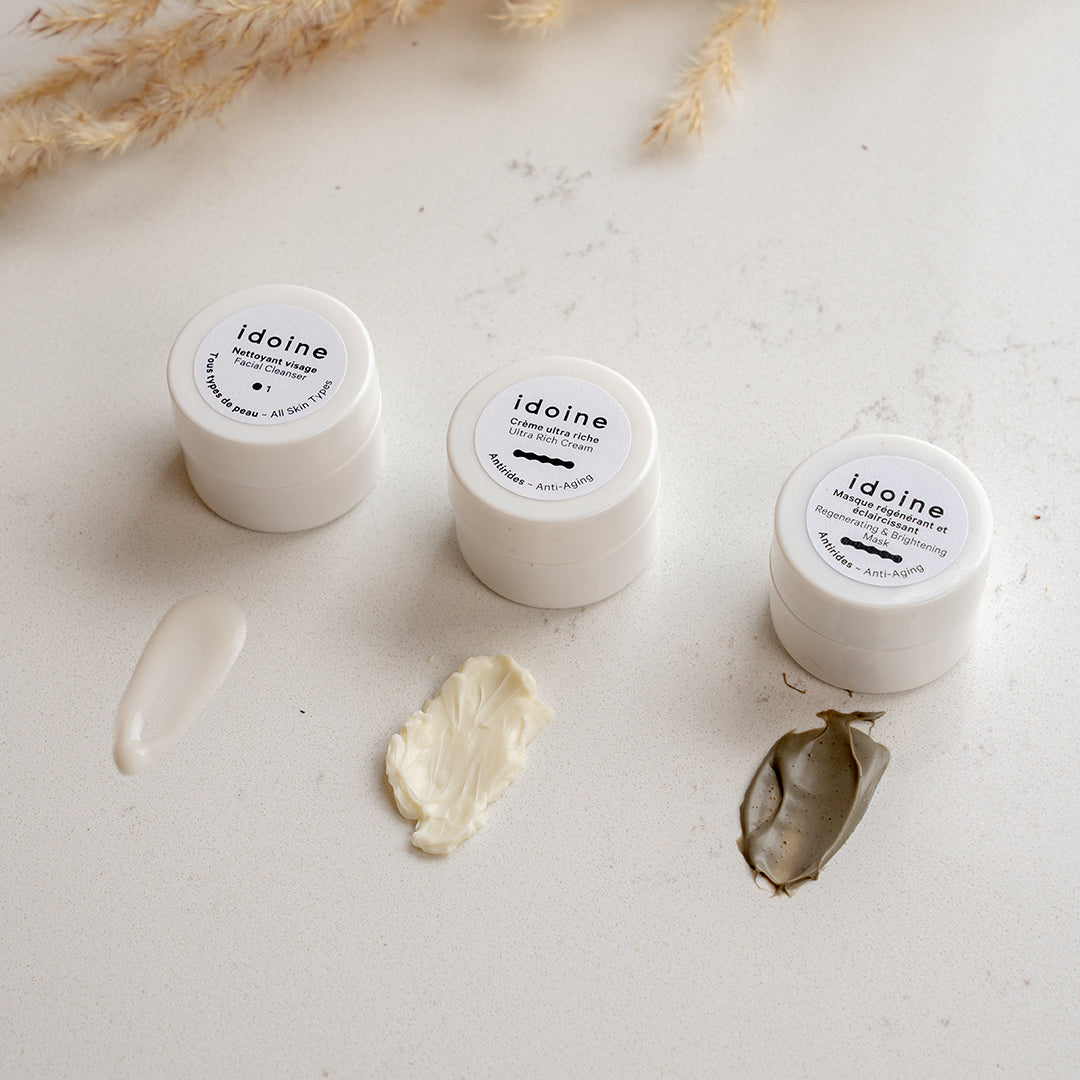
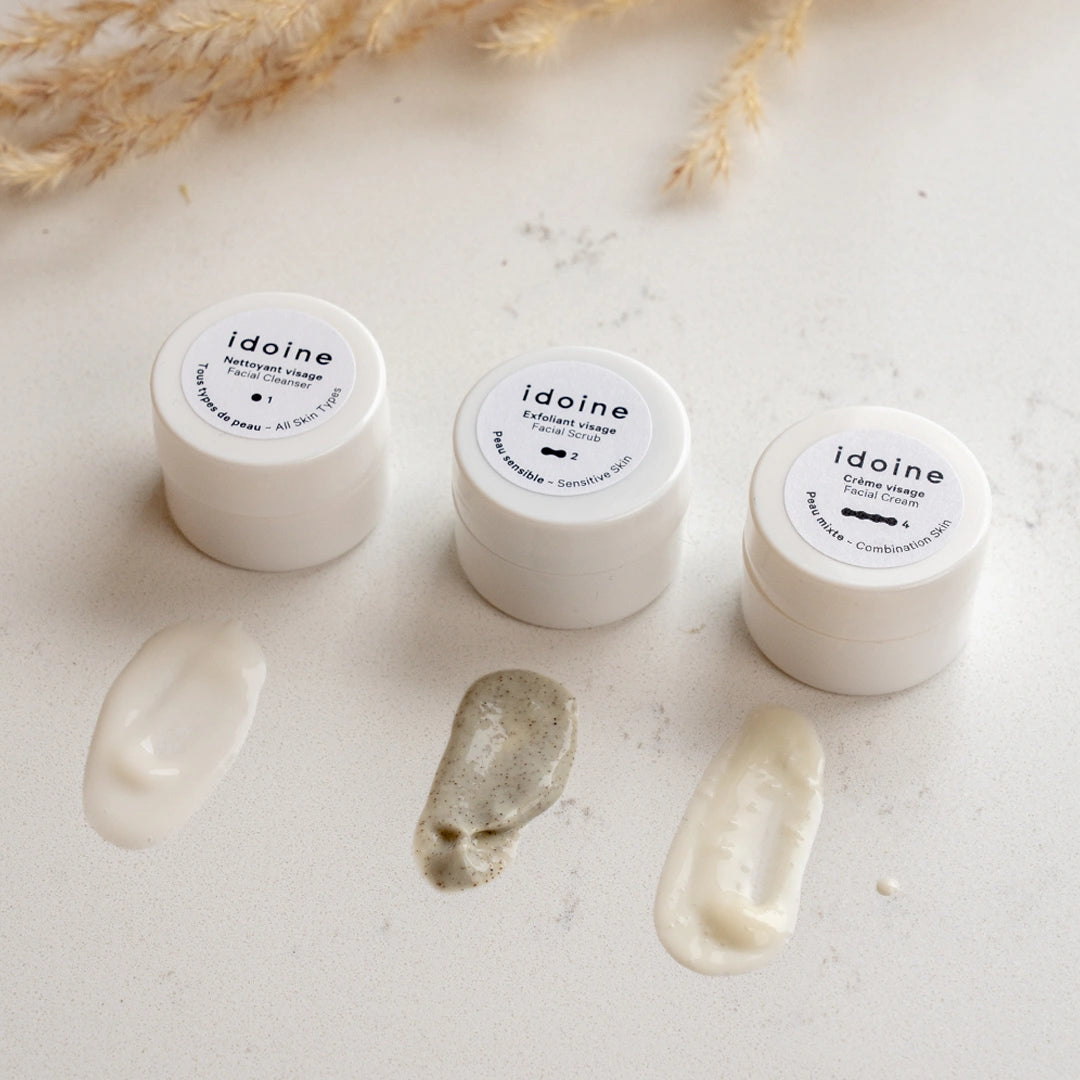
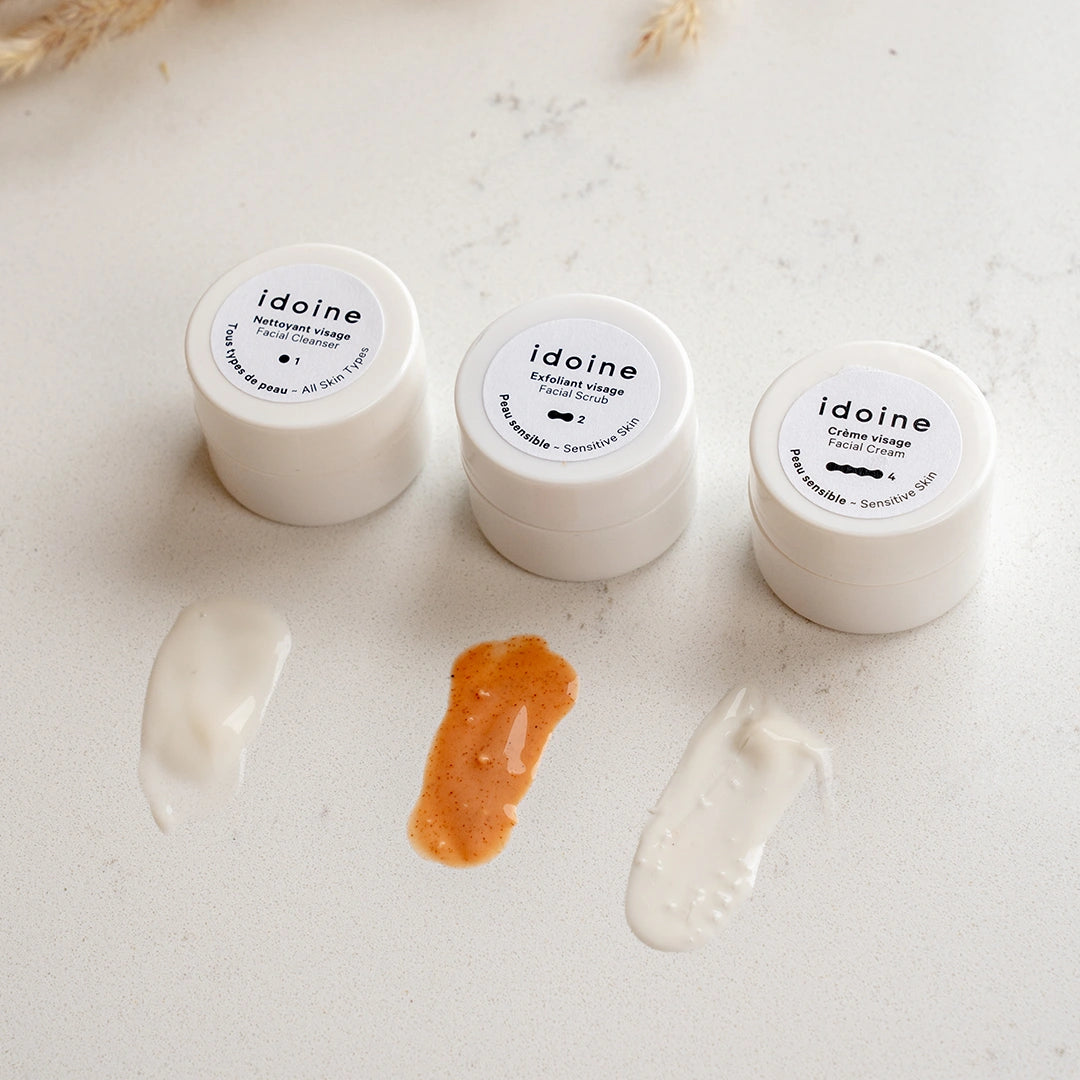
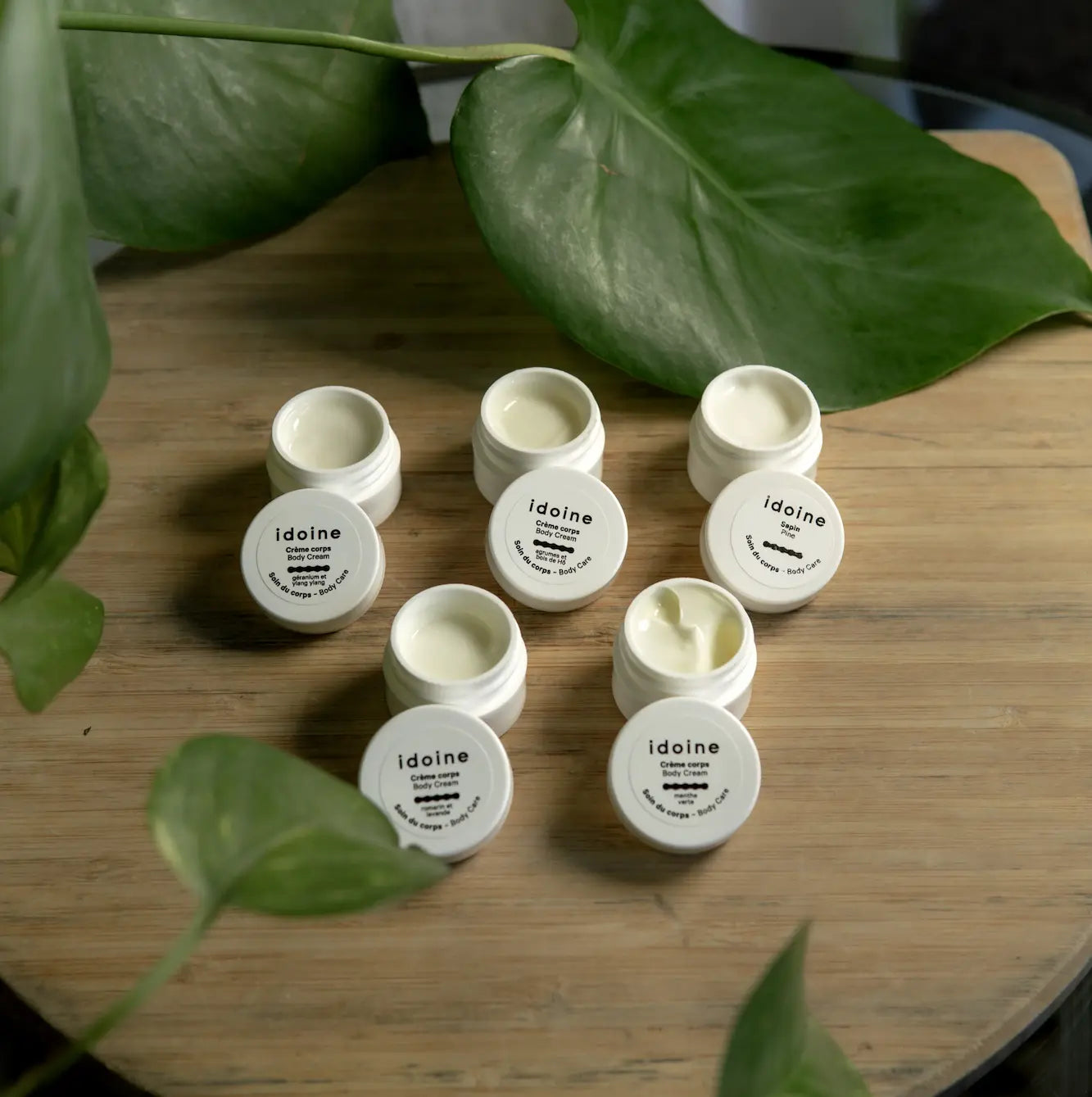
At Idoine Bio, the conversation around essential oils for eczema fits into a broader philosophy of skin respect, education, and restraint. Eczema-prone skin is reactive by nature, which is why the brand does not position essential oils as quick fixes or standalone solutions, but as ingredients that must be approached with care, knowledge, and proper formulation.
Idoine Bio’s work focuses on supporting the skin barrier first. Rather than relying on highly concentrated essential oils, the brand emphasizes gentle plant-based ingredients, thoughtfully selected carrier oils, and minimalist formulas designed for sensitive and compromised skin. This approach aligns with current dermatological understanding that eczema management starts with barrier repair and inflammation reduction, not aggressive actives.
When essential oils are present in formulations, they are used at low concentrations, chosen for skin tolerance, and balanced within a complete formula rather than applied directly. Ingredient transparency allows clients to understand what they are using and why, an essential element for anyone managing chronic skin conditions like eczema.
By prioritizing education, sourcing quality raw materials, and respecting the limits of natural remedies for eczema, Idoine Bio supports informed decision-making. The goal is not to promise outcomes, but to offer skincare options that integrate gently into a broader eczema management routine guided by both personal experience and professional medical advice.
Frequently asked questions
Can essential oils cure eczema?
No. Eczema is a chronic condition with no cure, whether using essential oils or conventional medical treatments. Essential oils may help relieve certain symptoms, such as itching or discomfort, for some people, but they do not address the underlying immune and barrier dysfunction involved in eczema. The goal should always be symptom management and flare reduction, not cure claims.
Are essential oils safe for babies and children with eczema?
In most cases, essential oils are not recommended for babies or young children. Infant skin is thinner, more absorbent, and more vulnerable to irritation and systemic exposure. Some essential oils also pose respiratory risks when inhaled. Always consult a pediatrician or healthcare provider before using any essential oils on children. Gentle carrier oils such as sunflower seed oil are generally considered safer alternatives.
What is the best carrier oil for eczema-prone skin?
Research most strongly supports cold-pressed sunflower seed oil and virgin coconut oil. Sunflower seed oil helps support the skin barrier, while coconut oil may reduce bacterial colonization. Jojoba oil is also well tolerated by many people due to its similarity to human sebum. Individual responses vary, so patch testing any new oil is essential.
Can I use essential oils with my prescription eczema treatment?
You should consult your dermatologist before combining essential oils with prescription treatments. Some essential oil compounds may interfere with how topical medications absorb or function. Essential oils should never be mixed directly into prescription creams. If both are used, apply them at different times and monitor the skin closely.
How can I tell if an essential oil is causing a reaction?
The safest way is to perform a patch test. Apply a properly diluted essential oil to a small area on the inner forearm and wait 24 to 48 hours. Signs of a reaction include redness, itching, swelling, burning, or rash. Delayed reactions can occur, so continue monitoring for several days. If a reaction develops, stop use immediately and wash the area thoroughly.
Conclusion
Essential oils for eczema attract interest because they offer a natural and holistic appeal, especially for those frustrated by recurring flares and long-term treatments. Some oils may provide temporary relief from itching, inflammation, or stress-related triggers, but the scientific evidence remains limited and highly variable.
Eczema compromises the skin barrier, making safety, dilution, and product quality far more important than experimentation or trends. Essential oils should always be viewed as complementary tools rather than treatments, and they require careful use, appropriate carrier oils, and realistic expectations.
For many people, the foundation of eczema management remains barrier support, trigger avoidance, and professional medical guidance. Natural approaches, when used thoughtfully and conservatively, may fit into this broader routine, but informed decision-making and skin respect must always come first.