Incorporate natural oils into your facial routine
Natural oils have become essential in beauty routines for a very specific reason: they're powerful, effective, and versatile. Whether you have dry, oily, sensitive, or mature skin, there's an oil to suit your needs. However, some questions often come up: When should you apply facial oil ? Before or after cream ? What's the best way to enjoy an essential oil facial treatment ? In this article, we explore in detail the role of natural oils, how to intelligently integrate them into your routine, and which Idoine Bio products to favor.
Why use natural oils in your skincare routine?
Natural oils are increasingly central to skincare routines, and for good reason. Derived from plants, seeds, or flowers, they are rich in essential nutrients, such as fatty acids, vitamins, antioxidants, and active plant compounds. These components have a remarkable affinity with the skin, allowing for rapid absorption and high effectiveness without disrupting the epidermis's natural balance.
Vegetable oils ( such as jojoba, argan or rosehip oil) act as natural shields: they strengthen the skin barrier , reduce dehydration , soothe inflammation , repair damaged tissue and stimulate cell regeneration . Contrary to popular belief, they are not reserved for dry skin: some oils also regulate sebum production, which makes them an ally for oily or combination skin.
Using a natural oil in your daily routine also means choosing a pure treatment, without harsh chemicals or preservatives , which are often responsible for irritation or allergic reactions. Thanks to their versatility , oils can be used alone, as a serum, mixed with a cream or in massage, depending on the specific needs of your skin.
Incorporating a natural oil into your beauty ritual means adopting an effective, sensory approach that respects your skin and the environment .

Main Benefits of Natural Oils for Skin
Natural oils are n't just fats: they're powerhouses of nutrients essential to skin health. Their richness in fatty acids, vitamins, and antioxidants helps address a wide variety of skin needs, whether related to hydration, radiance, protection, or aging. Here are the main benefits to incorporate into your beauty routine:
✅ 1. Deep hydration
Unlike water, which evaporates quickly, natural oils create a protective film that locks moisture into the skin. They deeply nourish and prevent dehydration, making the skin more supple, softer, and radiant.
✅ 2. Skin barrier repair
The skin is exposed daily to external aggressions: wind, pollution, cold, UV rays. Vegetable oils help to repair and strengthen the hydrolipidic barrier , essential for maintaining healthy and resistant skin.
✅ 3. Natural anti-aging effect
Many oils are rich in antioxidants (vitamin E, polyphenols, etc.). These neutralize free radicals , which are responsible for premature skin aging. Oils contribute to skin elasticity , reduce wrinkles, and promote cell regeneration.
✅ 4. Soothes sensitive skin
Skin prone to redness, tightness, or itching particularly benefits from the calming and anti-inflammatory properties of natural oils. These help reduce irritation and restore skin comfort.
✅ 5. Sebum regulation
Some oils, such as jojoba, have a composition similar to human sebum. When used regularly, they can rebalance oily skin and reduce shine or imperfections, contrary to the popular belief that oils "grease" the skin.
✅ 6. Improved texture and shine
Regular use helps smooth skin texture , revive the complexion's radiance and give the skin a more even and toned appearance, thanks to their softening and restorative action.
What is an antioxidant? And why is it important for oils?
As its name suggests, an antioxidant is a molecule capable of fighting oxidation . This natural process is caused by free radicals , these small unstable particles generated in particular by stress, pollution, UV rays, cigarette smoke or even a poor diet. When these free radicals are in excess, they attack skin cells, causing premature aging , loss of elasticity, the appearance of wrinkles, spots or even a dull complexion.
Antioxidants neutralize these free radicals before they can damage skin cells. In cosmetics, they are therefore essential for preserving the youthfulness, firmness and vitality of the skin .
✅ Why are they important with natural oils?
Vegetable oils naturally contain powerful antioxidants, such as vitamin E (tocopherol) , carotenoids , polyphenols and certain unsaturated fatty acids. These components:
-
Protect the oil itself from rancidity (prolong its shelf life and quality).
-
Strengthen the skin's protection against external aggressions.
-
Promotes cell regeneration and skin renewal.
-
Optimize the effectiveness of care when used in synergy with other active ingredients (such as peptides or natural vitamin C).
Incorporating an antioxidant oil into your routine therefore not only nourishes and hydrates the skin , but also prevents the visible signs of aging and provides enhanced protection against daily aggressions.

When to apply facial oil?
It's a question many people ask themselves: when should you apply a facial oil in your skincare routine? Before or after cream? In reality, it all depends on the type of oil used, your skin type, and the desired effect. But to fully benefit from its benefits, it's essential to follow a logical order in the steps of your ritual.
Should I put the oil before or after the cream?
The basic rule in cosmetics is to apply the lightest textures first , and finish with the richest . Therefore, facial oil is applied before moisturizer if you want to seal in moisture, create a protective barrier against external aggressions or add an extra layer of nutrition to your skin.
That said, in some cases, it is also possible to apply the oil before the cream , especially if your skin is very dry, sensitive or reactive. In this case, the oil will act as a deep nourishing treatment , and the cream will reinforce the hydration on the surface.
Face oil before or after cream: What do the experts say?
Dermocosmetic experts agree that the order in which skincare products are applied greatly influences their effectiveness. The question " face oil before or after cream ?" often comes up, and the answer depends on several factors, including your skin type, the textures used, and your desired skincare goals.
🔸 As a general rule , vegetable oil or essential oil for facial care is applied after the cream , because it has a more occlusive texture. It acts as a natural shield, sealing in the hydration provided by the cream by forming a lipid film on the surface of the skin.
🔸 However, if your oil is light or enriched with targeted active ingredients , you can use it before the cream , like a serum. This allows the active ingredients to penetrate the epidermis more quickly.
The ideal is to always follow the basic rule: apply the lightest products before the richest ones. This way, you maximize absorption and fully benefit from the benefits of each treatment.

Essential oil facial treatment: the targeted concentrate
Essential oil-based facial treatments are truly concentrated benefits. Each essential oil has a specific function: antiseptic, soothing, regenerating, toning... but they are very powerful and must always be diluted in a carrier oil.
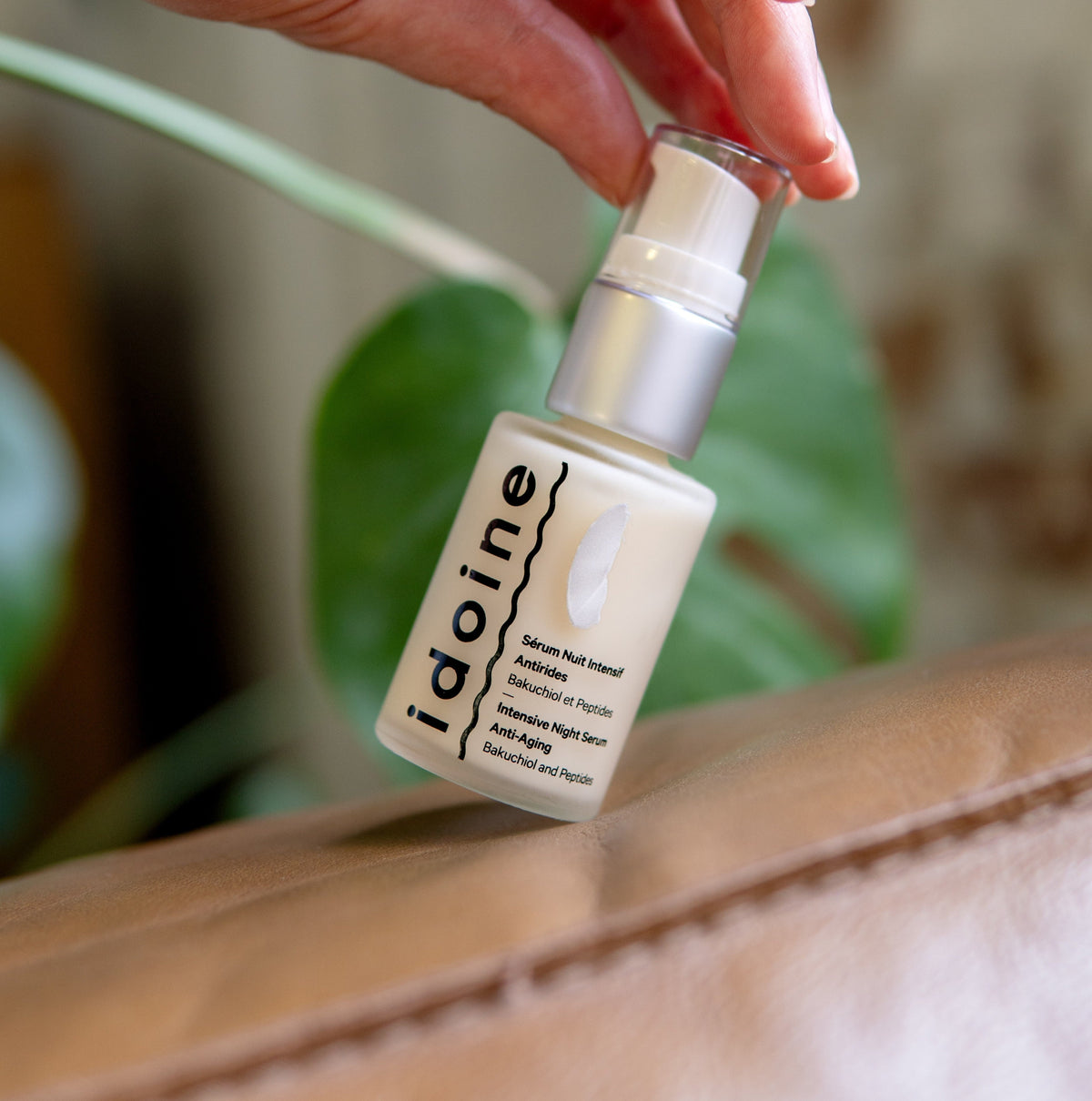
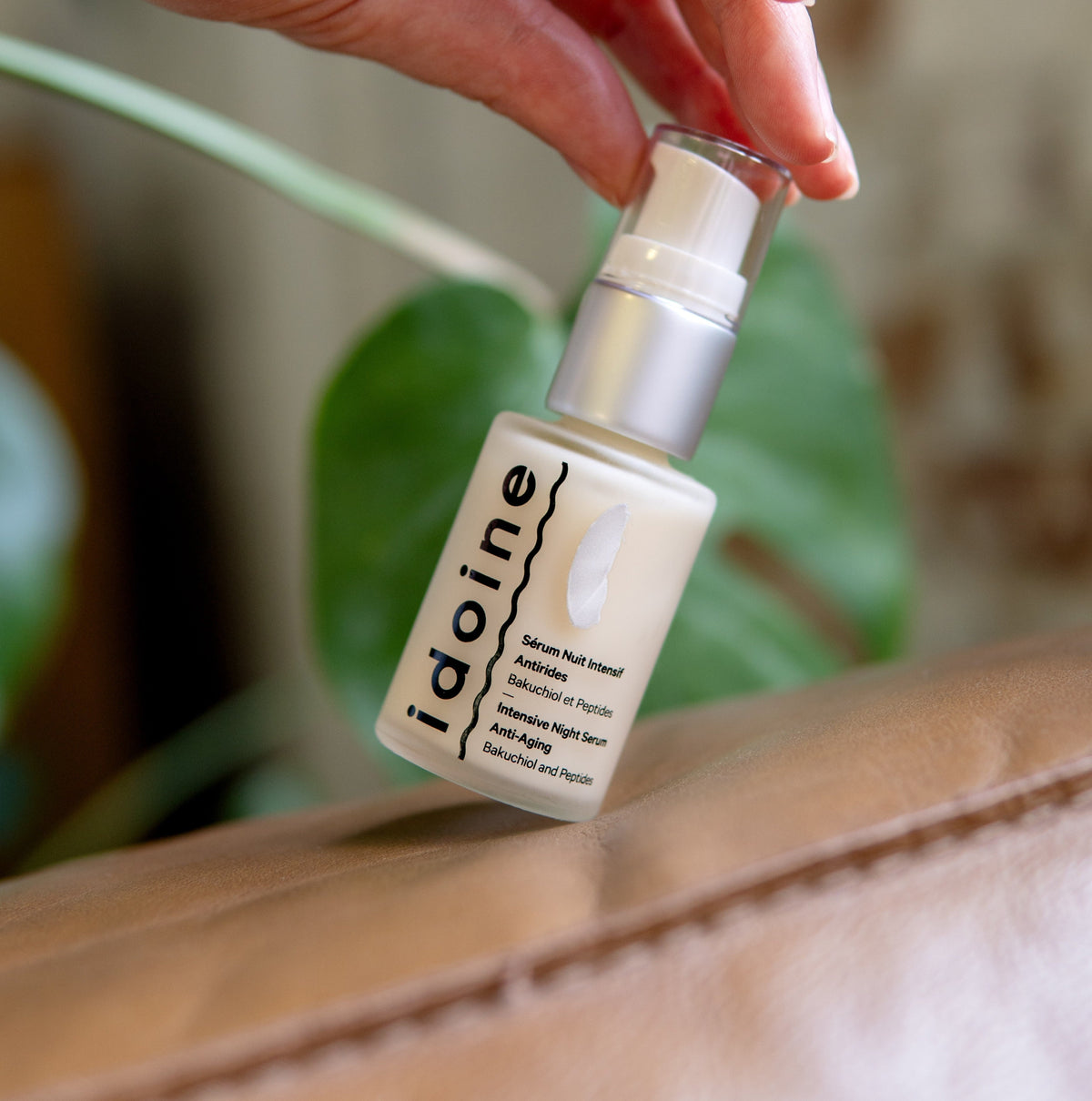
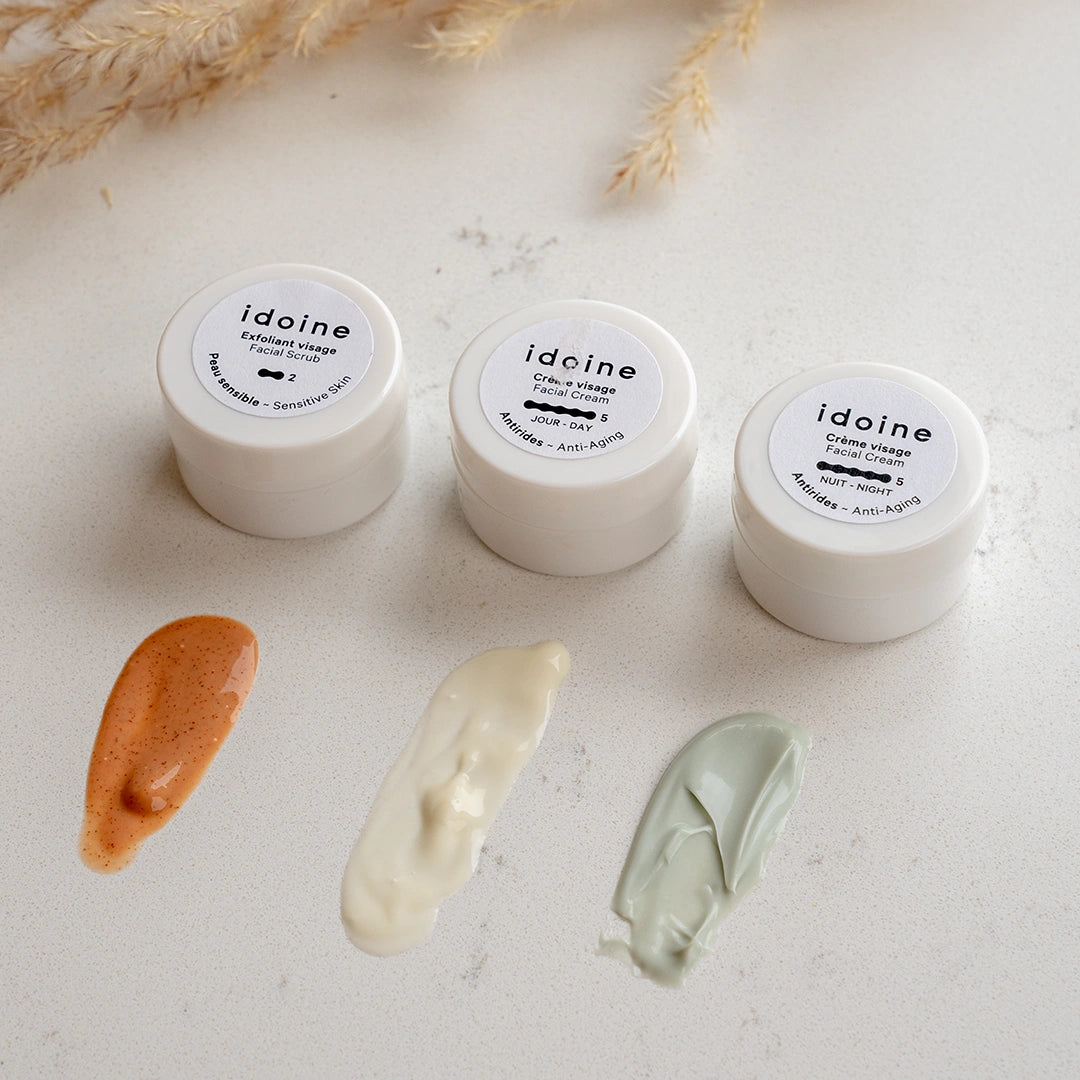
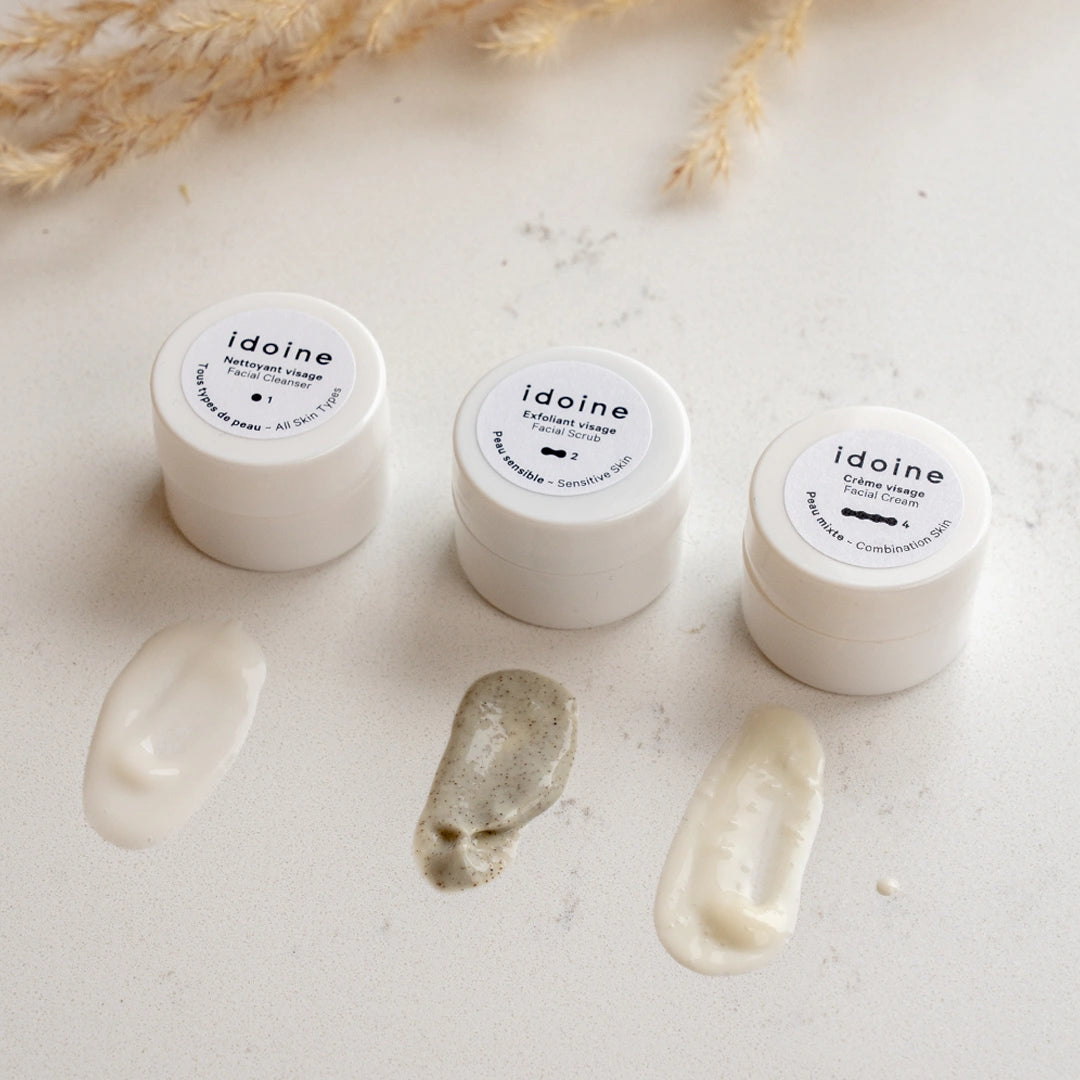
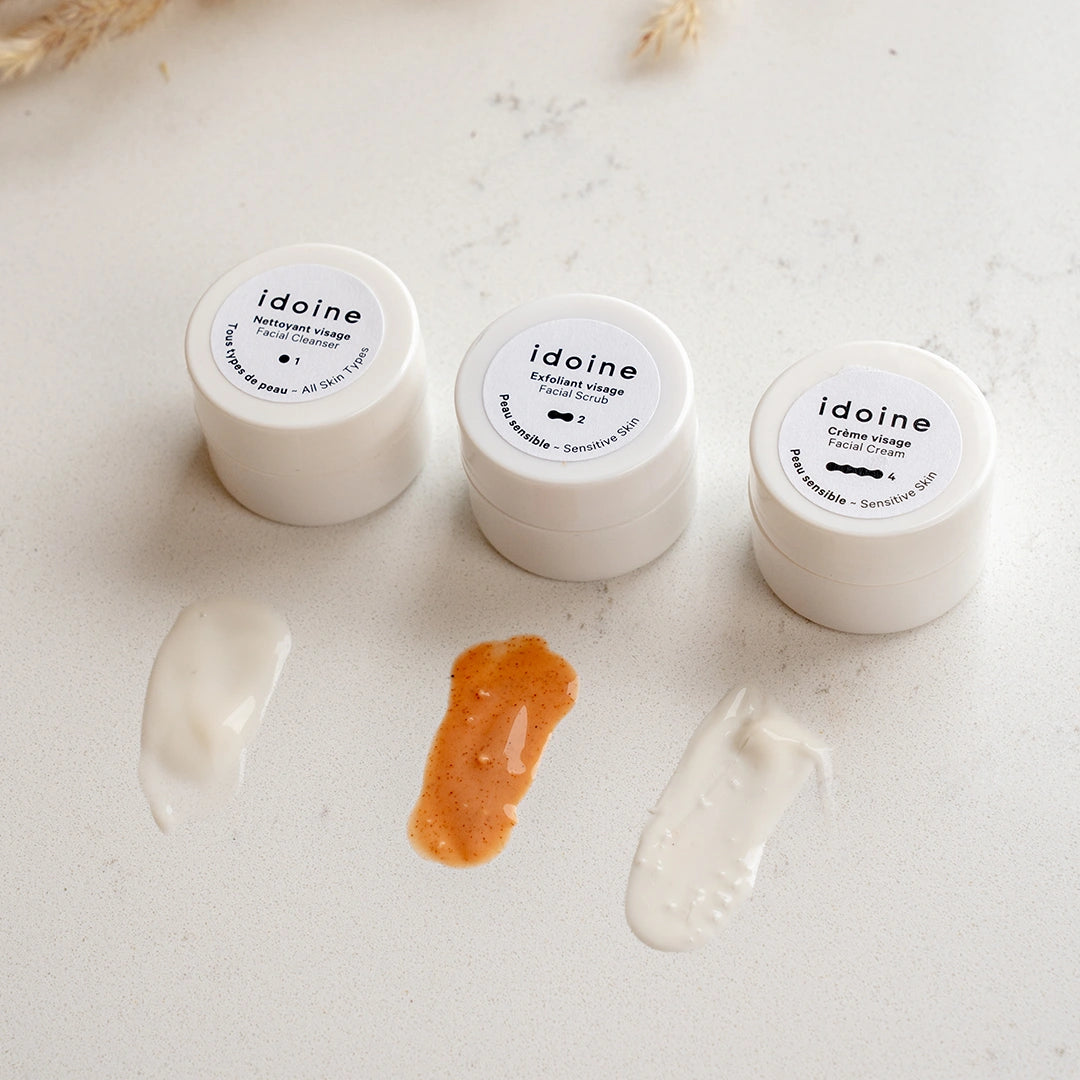
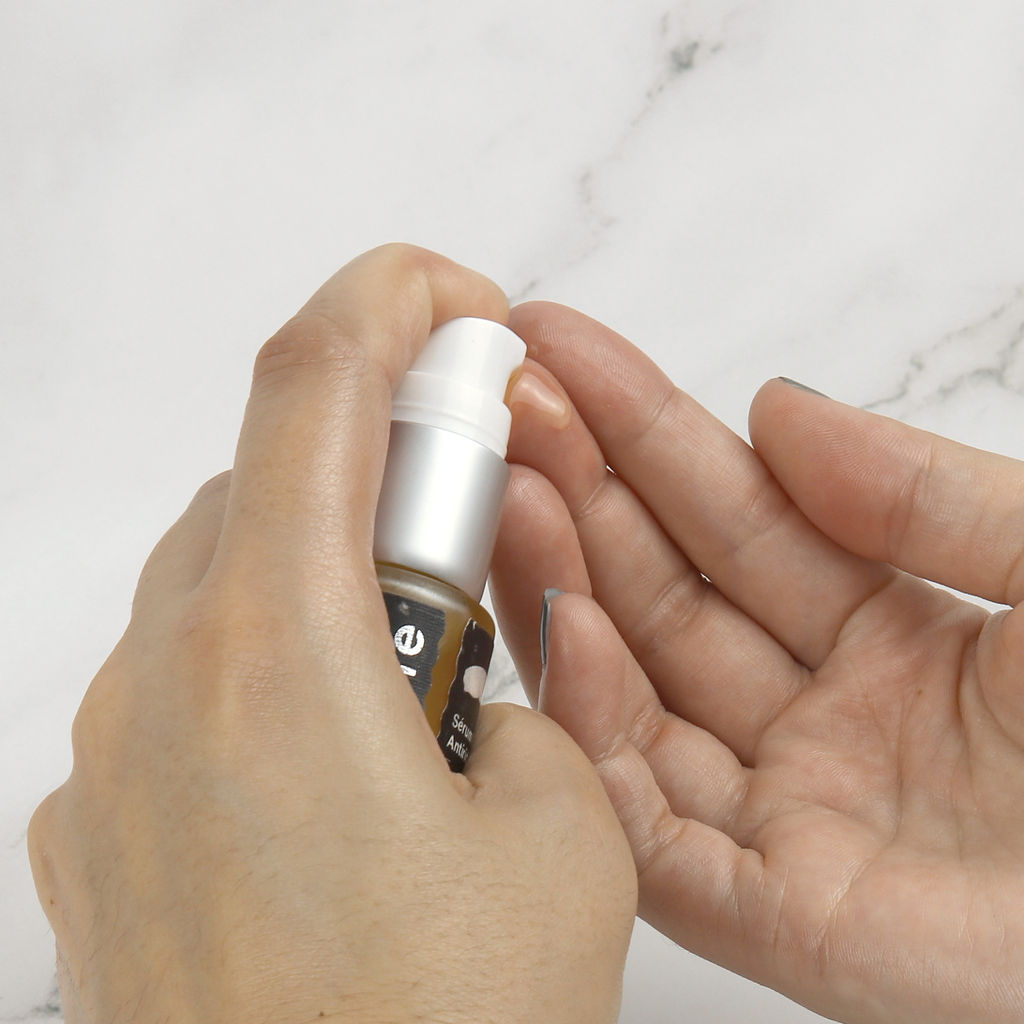
At Idoine Bio, you benefit from already balanced and safe formulations, ready to use. Whether it is the Elixir Serum , the Anti-Wrinkle Day / Night Cream , the ultra-rich creams or even our exfoliants and cleansers , all incorporate vegetable oils and essential oils carefully selected for their effectiveness.
Complete Routine: Integrating Natural Oils Step by Step
Step 1: Gentle Cleansing
Use a micellar lotion or sulfate-free cleansing milk to prep your skin.
Step 2: Toning lotion or hydrosol
Rose or lavender hydrosol is perfect for rebalancing the skin's pH.
Step 3: Serum
An aqueous or antioxidant serum can be applied as a first layer.
Step 4: Moisturizer
Use a suitable cream (e.g.: Idoine anti-wrinkle day or night cream).
Step 5: Facial oil
Apply 2 to 4 drops of oil all over the face with gentle massages.
Step 6: Targeted care
Use a diluted essential oil or a specific treatment, such as an eye contour roll-on or a repairing balm.
Morning or evening: When should you use oils?
The right time to apply an oil depends on your skin type, your skincare goals, and the type of natural oil you're using. Should you apply your facial oil in the morning or at night ? Here's what experts recommend to maximize the effects without weighing down your skin.
🌞 In the morning: to protect and illuminate
Applying an oil in the morning can help protect the skin barrier against external aggressions: pollution, wind, cold or makeup. Choose a light, non-comedogenic oil, such as jojoba oil or squalane, which absorbs quickly without leaving a greasy feeling . It can be used before or after cream , depending on its texture (see our section on facial oil before or after cream ).
🌙 In the evening: to regenerate and nourish
Nighttime is the perfect time to apply a richer oil , such as avocado, rosehip, or argan oil. While you sleep, your skin actively regenerates. By applying an essential facial oil or a nourishing plant oil at the end of your routine, you help your skin repair itself deeply .

Idoine Bio's expertise in oil-based care
At Idoine Bio, we carefully select vegetable and essential oils from organic, ethical, and sustainable farming . Our products contain ingredients such as:
-
Moringa oil : nourishing and restorative
-
Sandalwood: anti-inflammatory and regenerating
-
Rosehip oil : antioxidant and firming
-
Plant-based squalane: ultra-light, biomimetic
Our two flagship products:
-
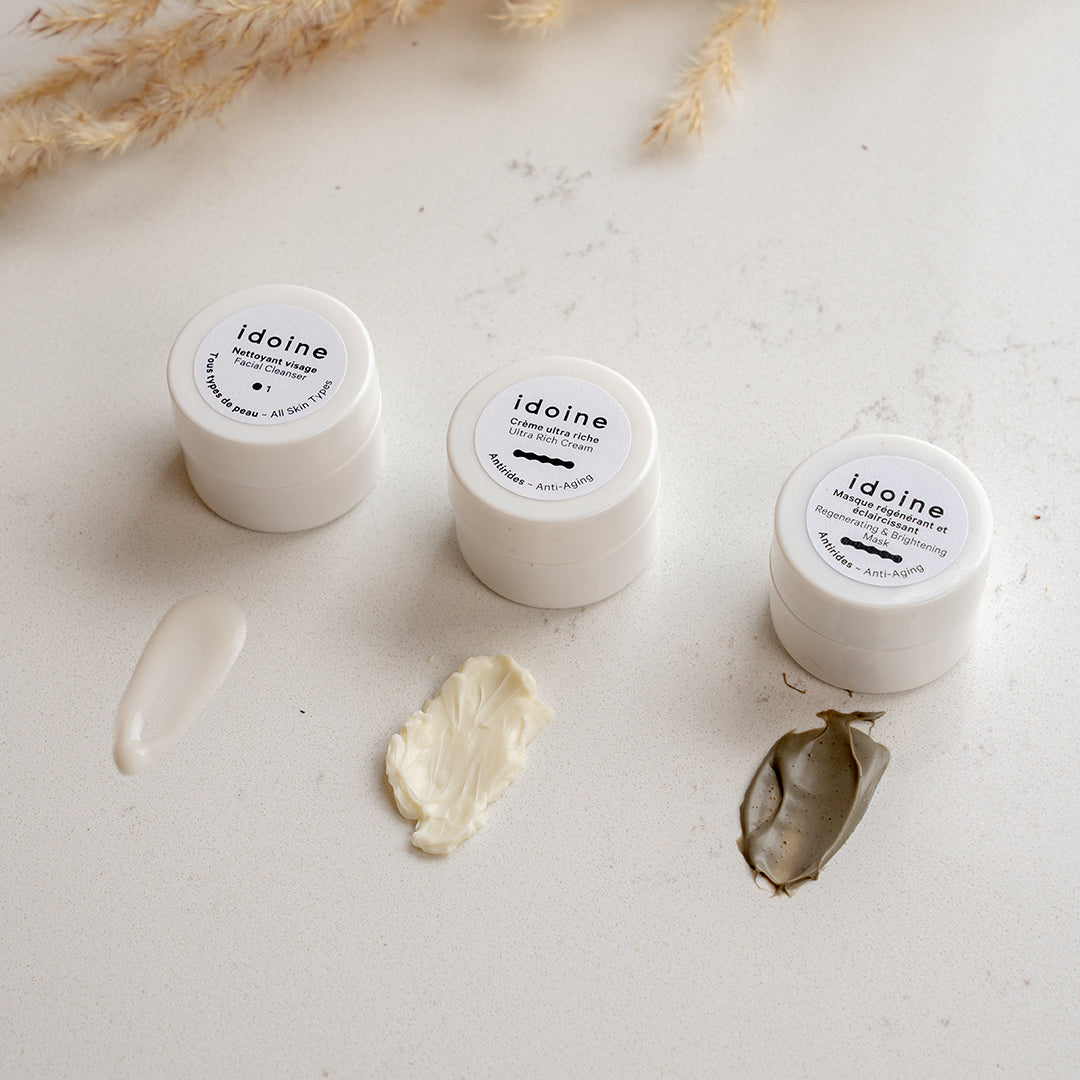
Ultra-rich cream: intensely nourishing treatment incorporating plant and essential oils to regenerate and protect dry and sensitive skin.
-
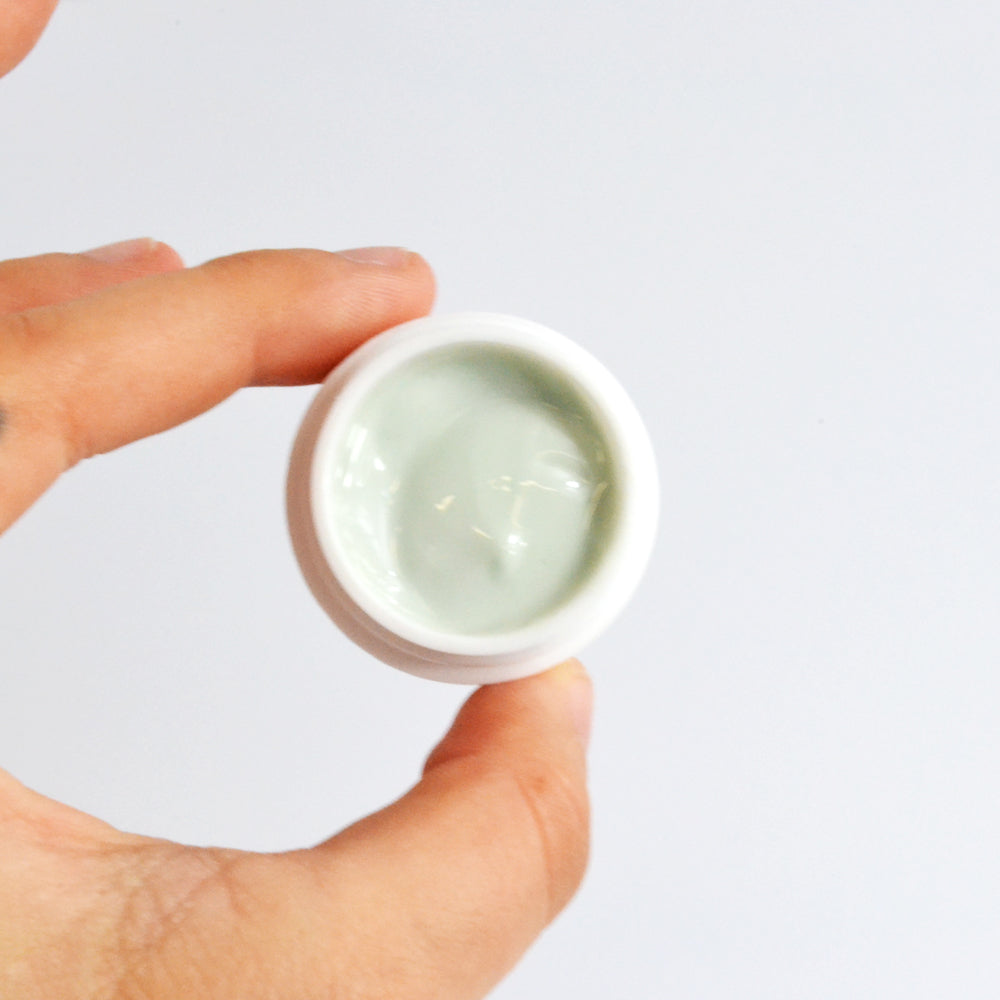
Anti-Wrinkle NIGHT Cream : rich care incorporating plant and essential oils for nourished and toned skin.
New beauty gestures thanks to oils
Natural oils are no longer reserved for massages or hair care. When incorporated correctly, they become true allies in a modern and sensory beauty routine. Here are some innovative and trendy ways to fully enjoy the benefits of oils every day.
Double oil cleansing
Used as a first step, cleansing with vegetable oil (jojoba, apricot kernel, etc.) helps dissolve makeup, sunscreens, and excess sebum . This gentle yet effective ritual respects the skin barrier while leaving a feeling of comfort. It is ideal before applying an essential oil facial treatment .
Layering : the art of layering treatments
Inspired by Asian routines, the layering technique involves applying skincare products in thin, orderly layers. Using facial oil before or after a cream really comes into its own here: it can seal in moisture after a serum or cream, or be used alone as a nourishing serum.
Gua sha or roller massage
Combined with a tool like gua sha or quartz roller , the oil becomes a vector of relaxation and circulatory stimulation. This gesture stimulates lymphatic drainage, smooths features and promotes the penetration of the oil. Ideal in the evening for dry or mature skin .
The targeted mix & match treatment
Certain oils are perfect for blending into your creams or masks. For example, a drop of argan or sandalwood oil in your night cream can boost its anti-aging effects , while an essential oil, such as true lavender, can soothe reactive skin (with the appropriate precautions).
Conclusion
Incorporating natural oils into your beauty routine means giving your skin the purest and most effective ingredients nature has to offer. Whether you're looking to moisturize, repair, prevent wrinkles, or brighten your complexion, the right oil is the key to success. All you need to do is know when to apply facial oil and choose a quality essential oil facial treatment .
With Idoine Bio, discover powerful, organic and perfectly dosed formulas to enhance each skin type every day .
FAQ
1. Can you apply natural oil without cream?
Yes, it is perfectly possible to apply a natural oil without cream , depending on your skin type and needs. Vegetable oils, such as jojoba oil, argan oil, or rosehip oil, are rich in essential fatty acids, antioxidants, and vitamins. They deeply nourish, protect, and repair the skin.
However, their main action is to seal in moisture , not to deliver it. If your skin is well moisturized (for example, after a shower, a mist , or a hydrating serum), the oil will be enough to maintain this moisture. But if your skin is very dry or dehydrated, the combination of oil and moisturizer can provide greater comfort and more complete hydration.
2. Are oils suitable for oily skin?
Yes, natural oils are also suitable for oily skin , provided you choose the right ones. Contrary to popular belief, some oils can regulate sebum production , soothe inflammation and even prevent blemishes.
Oily skin tends to produce too much sebum in response to poorly nourished or damaged skin. By using the right oil, you send a calming signal to your skin, which will gradually rebalance its sebum production .
Recommended oils for oily skin:
-
Jojoba oil : very similar to human sebum, it balances and mattifies.
-
Hazelnut oil : light, non-comedogenic, it tightens pores.
-
Black seed oil : purifying, perfect for acne-prone skin.
-
Grape seed oil : absorbs quickly, ideal for a "clear skin" effect.
3. Can you mix several oils?
Yes, you can definitely mix several natural oils , and it's even a great way to customize your skincare routine according to your skin's specific needs. This is often called an oil cocktail , and it can combine the properties of several plants to offer a more complete action: nourishing, regenerating, balancing, or even soothing.
Why mix several oils?
-
To target several issues simultaneously (e.g.: dehydrated and dull skin).
-
To adapt the texture to your taste (a light oil + a richer one).
-
To benefit from a synergy of active ingredients : the oils combine to reinforce their benefits.
Some examples of effective combinations:
-
Jojoba + black cumin : perfect for combination to oily skin; regulates and purifies.
-
Argan + rosehip : ideal for mature skin, regenerates and restores radiance.
-
Hemp + calendula : soothes sensitive and redness-prone skin.
Advice :
– Respect the dosages: start with small quantities to test tolerance.
– Store your mixture in a tinted glass bottle, away from heat and light.
– Avoid mixing essential oils without expert advice.