The Ultimate Guide to White Spots on Skin: Understanding, Treating, and Preventing Naturally
Have you noticed a white patch on your skin after summer, a small, lighter area that seems to resist tanning? You're not alone. Thousands of women seek medical help each year for this problem, which is often linked to skin fungus or other skin imbalances.
These marks, whether a white patch on the skin or a white fungus-like facial spot , can be a source of aesthetic discomfort, but also the sign of a disorder that is better understood in order to act effectively.
In this comprehensive guide we will explore:
-
The main causes of white spots (fungal infections, vitiligo, deficiencies, sun, etc.)
-
Natural and medical solutions that are truly effective
-
Best prevention practices to restore healthy, even skin
Get ready to discover concrete advice, validated by dermatology experts and supported by reliable sources.
What is a white spot on the skin?
A white spot on the skin corresponds to a depigmented or hypopigmented area, that is to say where the production of melanin - the natural pigment that colors the skin - is altered. This phenomenon can appear as a small white spot on the skin , isolated and discreet, or in the form of a more extensive and visible white patch of skin .
Hypopigmentation: a temporary loss of color
Hyperpigmentation occurs when melanocytes produce less melanin than normal. The affected area becomes lighter but still retains pigment activity. This type of white fungus on the face or body can often disappear over time, especially if the cause (for example, a skin fungus such as tinea versicolor) is treated.
Depigmentation: a total and lasting absence of melanin
Depigmentation , on the other hand, corresponds to the complete disappearance of melanin. The skin then becomes completely white, as observed in vitiligo. These white patches on the skin are generally well- demarcated , milky, and persistent. Unlike hyperpigmentation, they are rarely reversible without specialized medical treatment.
Distinguishing between hypopigmentation and depigmentation is fundamental: a small white spot on the skin linked to a fungus or inflammation can heal naturally, whereas established depigmentation requires regular dermatological monitoring.
Takeaways
-
A white spot on the skin always reveals a pigment imbalance.
-
Hypopigmentation is usually temporary , especially when caused by a skin fungus .
-
Depigmentation (e.g. vitiligo) is long-lasting and requires medical support .
White spot on the skin and fungus: pityriasis versicolor
Tinea versicolor is one of the most common causes of white spots on the skin . This benign condition is caused by the proliferation of a microscopic fungus called Malassezia furfur , which is naturally present on our skin. When this microorganism grows excessively, it disrupts the production of melanin, leaving lighter areas called white patches on the skin .
Typical symptoms of pityriasis versicolor
-
Appearance of small white spots on the skin , but also sometimes pinkish or brownish.
-
Common location: torso, shoulders, back, arms, and in some cases, a white fungus-like face spot may appear.
-
Slightly scaly skin, with a dry feel.
-
Contrast enhancement after sun exposure, as the infected area does not tan.
Why does it occur mostly in summer?
Tinea versicolor is closely linked to climatic conditions. Heat, humidity, and perspiration create a fertile breeding ground for the fungus. For example, people exposed to the sun often notice these white spots on their skin after their summer vacation, as the difference in pigmentation becomes particularly noticeable on tanned skin.
Factors favoring its appearance
-
Excessive sweating (sport, hot climate)
-
Use of synthetic clothing that promotes moisture
-
Naturally oily skin
-
Weakened immune system
Post-inflammatory hypopigmentation
Post-inflammatory hypopigmentation is a common cause of small white spots on the skin , especially after a skin injury. It occurs when the skin, after being irritated or damaged, produces less melanin during the repair process. Unlike vitiligo or white spots linked to a fungus , this phenomenon is generally temporary and reversible .
When does it appear?
-
After a minor burn or sunburn
-
Following an outbreak of eczema or psoriasis
-
After an insect bite or skin irritation
-
Sometimes after dermatological treatments (laser, peels)
These healed lesions can leave a white patch on skin that is lighter than the rest of the complexion. This contrast is often more pronounced on dark to olive skin , where the difference in pigmentation is immediately visible.
Duration and evolution
In most cases, pigmentation returns gradually over a few weeks to months. However, if the area is poorly protected from the sun or the skin remains inflamed, the white spot may persist for longer.
Recommended care
-
Intensive hydration : to support skin regeneration.
-
Daily sun protection : to prevent the contrast from increasing with the tan.
-
Organic soothing care : aloe vera gels, vegetable oils (rosehip, calendula) to reduce inflammation and promote even healing.
-
Gentle routine : avoid aggressive products (overly abrasive scrubs, irritating soaps) which could slow down repigmentation.
Post-inflammatory hypopigmentation isn't serious and generally doesn't require extensive medical treatment. However, a good natural routine and sun protection are often enough to restore an even complexion.
Nutritional deficiencies and skin health
A small white spot on the skin is not always caused by fungus or inflammation. In some cases, it can be a sign of a nutritional deficiency affecting melanin production and skin regeneration.
Key nutrients involved in skin pigmentation
-
Vitamin B12 : Essential for the synthesis of melanin. A deficiency can cause white patches on the skin , as well as fatigue and numbness.
-
Zinc : an essential mineral for healing and skin regeneration. Its deficiency can weaken the skin and alter its uniformity.
-
Copper : plays a direct role in the pigmentation process. A copper deficiency can accentuate the appearance of white spots on the skin .
-
Vitamin D : Supports immunity and skin balance. Its absence weakens the skin barrier and can aggravate certain pigmentation disorders.
Symptoms associated with deficiencies
-
Persistent fatigue
-
Digestive disorders
-
Tingling or numbness in the extremities
-
Brittle nails or hair loss
Effective solutions
-
Adopt a varied and balanced diet , rich in essential nutrients.
-
Consider supplementation if blood tests reveal a deficiency.
-
Combine diet and appropriate skin care to gradually restore pigmentation.
Summary table:
|
Nutrient |
Role in the skin |
Rich foods |
|
Vitamin B12 |
Melanin production |
Fish, eggs, dairy products |
|
Zinc |
Skin regeneration |
Nuts, seeds, legumes |
|
Copper |
Pigmentation |
Dried fruits, cocoa, shellfish |
|
Vitamin D |
Immunity & Skin |
Sun, oily fish, egg yolk |
Deficiencies do not systematically cause white spots on the skin , but they can worsen their appearance or slow their disappearance.
Dermatitis and skin inflammations
Inflammatory skin diseases such as eczema or psoriasis can leave a visible white patch of skin after healing . These light areas appear because the skin, after the inflammatory flare-up, has not yet returned to its normal melanin level.
Characteristics of post-dermatitis white spots
-
Often located in areas affected by eczema or psoriasis.
-
Temporary appearance, with progressive repigmentation over several weeks to months.
-
More common on dark or matte skin, where the contrast is more pronounced.
Recommended care
-
Gentle and regular hydration : favor organic emollient creams to soothe and rebuild the skin barrier.
-
Fragrance-free and allergen-free products : Avoid irritating cosmetics that could trigger a new outbreak.
-
Suitable sun protection : because UV rays often accentuate the contrast between pigmented and depigmented areas.
Unlike a white spot on the skin fungus , post-inflammatory spots are not infectious, but require dermatological support if they persist.
How to identify the cause of a white spot?
Identifying the cause of a white spot on the skin is essential for choosing the right treatment. A small white spot on the skin can be benign (fungus, irritation) or indicate a deeper problem (deficiency, autoimmune disease). Here's how to recognize the main causes.
1. White spot on the skin and fungus (pityriasis versicolor)
-
Appearance: small white or pinkish, slightly scaly plaques .
-
Special feature: the contrast is accentuated after tanning , because the affected area no longer produces melanin normally.
-
Common location: torso, back, arms, sometimes a white mushroom face spot .
2. Vitiligo: clear and lasting depigmentation
-
Appearance: very pure white spot , with clean, regular edges .
-
Evolution: areas that gradually expand, often symmetrical.
-
Location: face, hands, elbows, folds.
3. Post-inflammatory hypopigmentation
-
Context: Appears after an injury, burn, eczema or bite .
-
Appearance: white patch of skin located on the old area of inflammation.
-
Evolution: generally temporary , pigmentation returns within a few weeks or months.
4. Nutritional deficiencies
-
Appearance: more diffuse and irregular spots , less distinct than vitiligo.
-
Associated signs: fatigue, digestive problems, numbness .
-
Cause: Deficiency of vitamin B12, zinc, copper or calcium affecting melanin production.
5. Dermatitis and skin inflammations
-
Context: after an outbreak of eczema or psoriasis .
-
Appearance: lighter, poorly pigmented areas, visible especially on dark skin.
-
Special feature: These white patches of skin improve with regular hydration and care.
When to see a doctor?
A white spot on the skin is not always serious, but certain signs should alert you and justify a dermatological consultation:
-
The spots spread quickly or change in appearance.
-
Presence of severe itching , burning or pain.
-
Appearance of associated systemic symptoms : intense fatigue, weight loss, digestive disorders.
-
A white facial fungus spot that persists despite appropriate care.
The dermatologist will be able to confirm the diagnosis using a visual examination, a UV lamp or additional analyses, and suggest the most appropriate treatment.
Takeaways
-
Observing the appearance, location and context of appearance is the key to identifying the cause of a white spot on the skin .
-
The fungus causes scaly spots, vitiligo causes clear white areas, and deficiency causes diffuse spots.
-
In case of doubt, medical advice remains essential to avoid worsening.
Medical vs. Natural Solutions
When a white spot appears on the skin, the choice of treatment depends directly on its cause. A small white spot on the skin due to a fungus will not be treated in the same way as a white patch of skin related to vitiligo. The goal is to act on both the cause and repair the skin.
Medical solutions
Dermatological treatments are essential when the cause is identified and requires medical support.
-
Antifungals (pityriasis versicolor) : prescribed in the form of creams, lotions or shampoos, they help eliminate the proliferation of the fungus Malassezia furfur . Essential for treating a white spot on the skin fungus and preventing recurrences.
-
Corticosteroid creams (early vitiligo) : Used to reduce inflammation and stimulate local pigmentation. They are prescribed for short periods by a dermatologist.
-
Phototherapy (extensive vitiligo) : a treatment by controlled exposure to UVB, intended to reactivate melanocytes and promote repigmentation of depigmented areas.
These medical approaches offer targeted results, but they require professional monitoring and can have side effects.
Natural solutions
As a complement or as a preventative measure, natural care products can support the skin, reduce inflammation and promote its regeneration, especially for sensitive skin.
-
Black Seed Oil : Known for its mild anti-inflammatory and antifungal properties. It helps soothe irritation and strengthen the skin barrier.
-
Rosehip oil : rich in essential fatty acids and vitamin A, it stimulates cell regeneration, ideal for fading white patches of post-inflammatory skin .
-
Aloe vera gel : soothing, moisturizing and healing, it is particularly suitable for irritated skin or after sunburn.
-
Zinc & vitamin B12 supplementation : essential in cases of nutritional deficiency , to support melanin production and skin immunity.
Natural treatments do not replace medical treatment for diseases such as vitiligo, but they are an excellent support for limiting recurrences and improving the uniformity of skin tone.
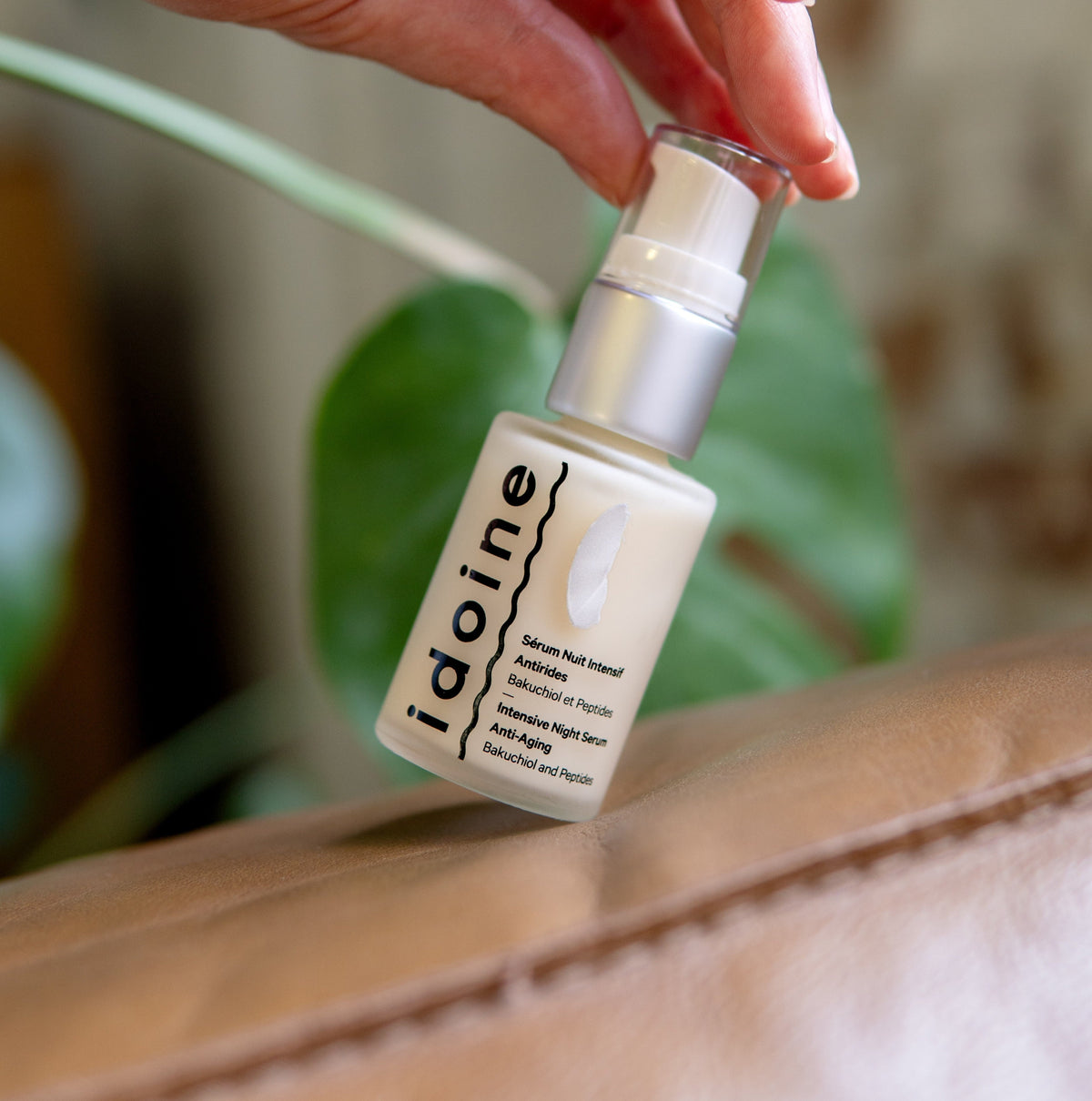
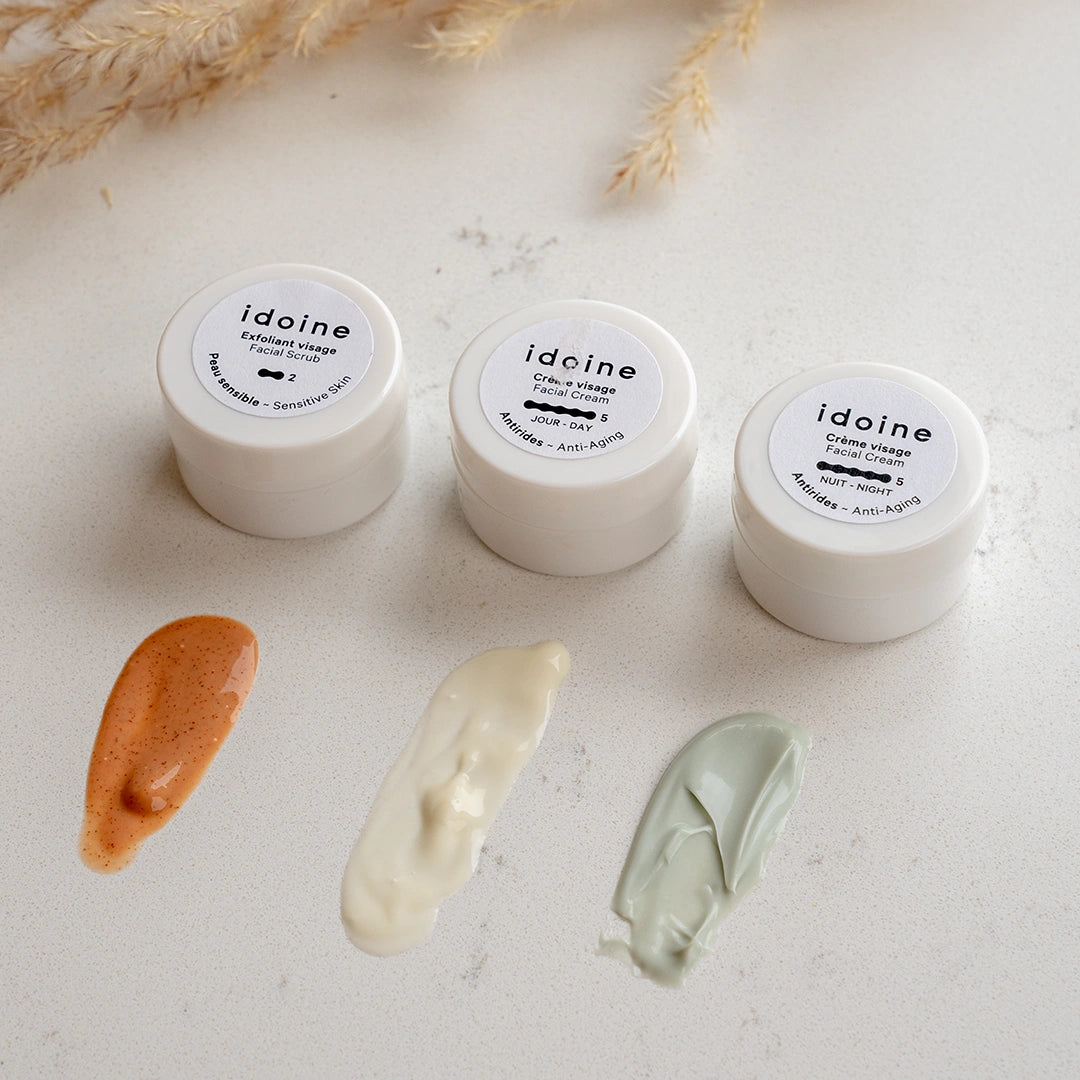
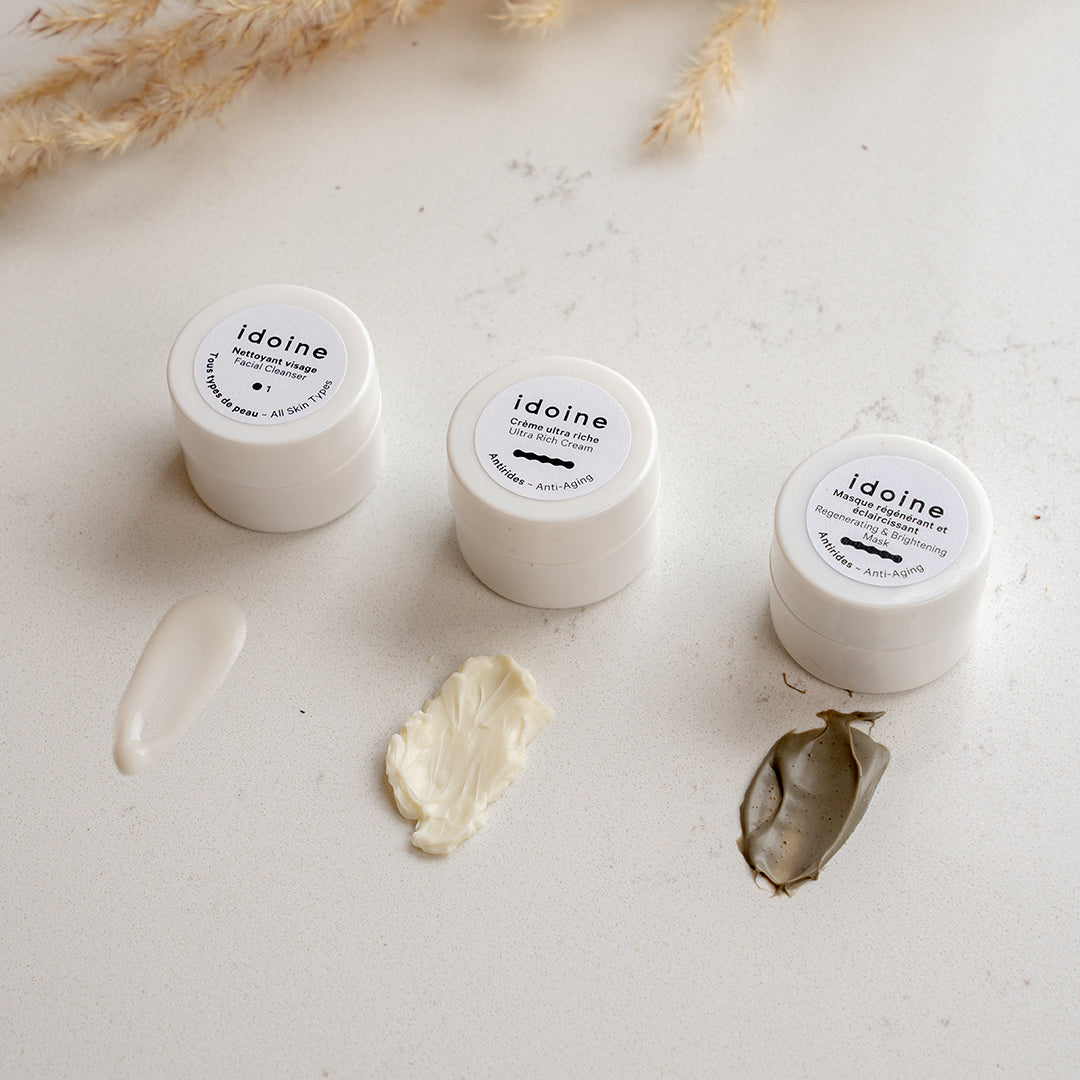
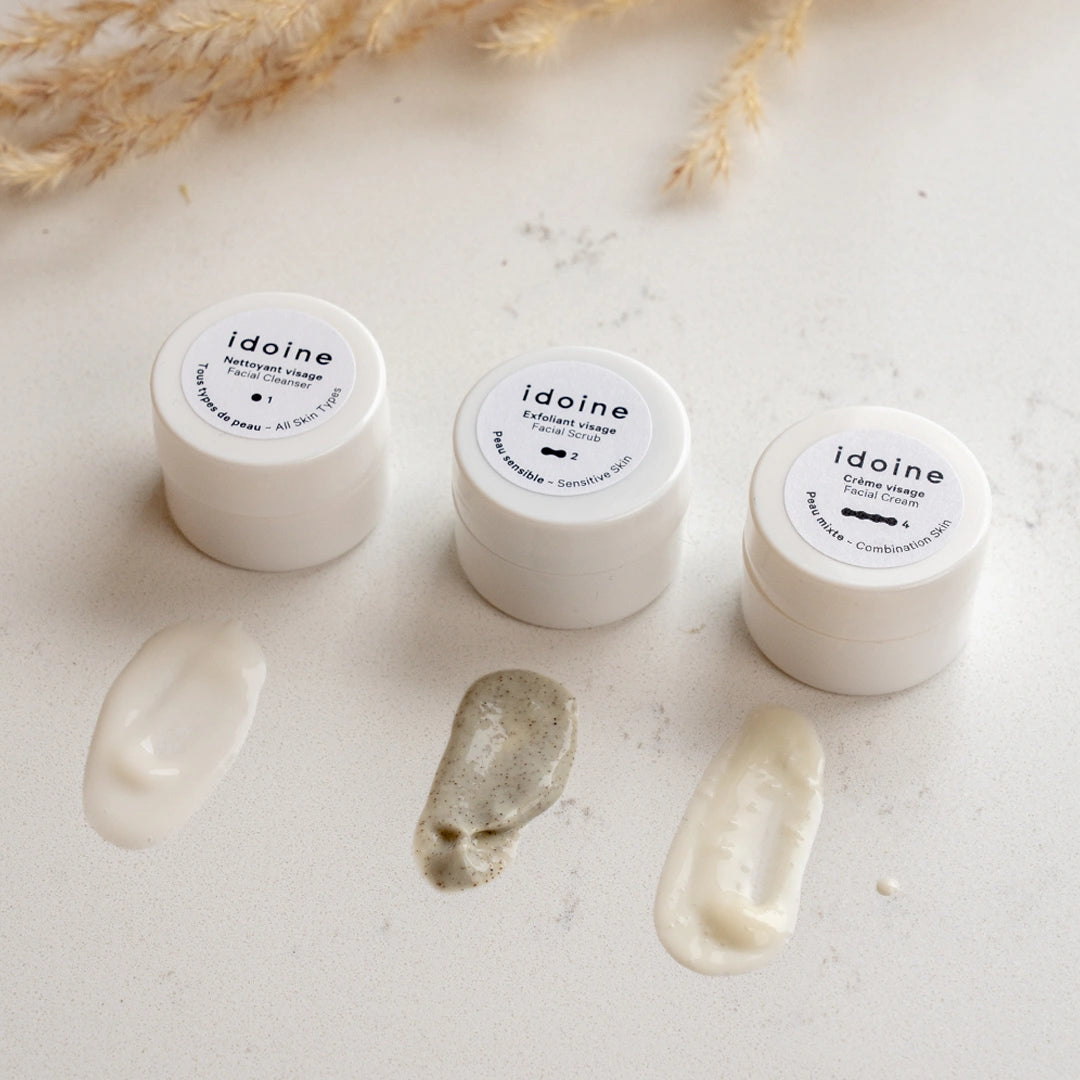
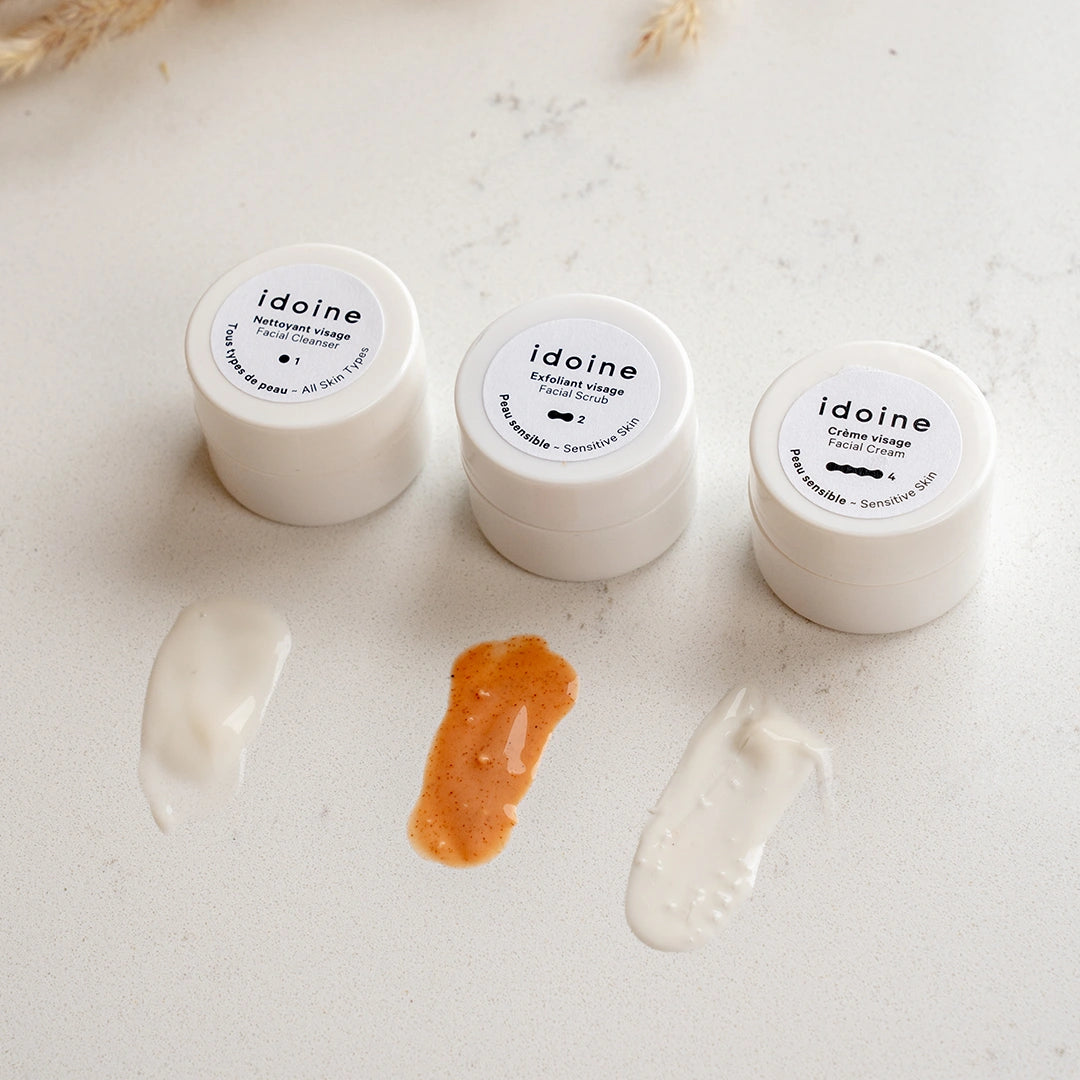
Idoine Bio, organic cosmetics for balanced skin
At Idoine Bio , treatments are designed to respond to skin imbalances naturally.
Why choose Idoine Bio?
-
Certified organic cosmetics
-
Formulated with ingredients rich in antioxidants and nutrients
-
Respectful of sensitive and reactive skin
Key products to even out the complexion:
-
Organic vegetable oils to soothe and nourish
-
Moisturizing creams rich in antioxidants
-
Mineral sun care that protects without damaging
Result: nourished, protected and even skin day after day.
Conclusion
White spots on the skin , whether caused by fungus , deficiency, or inflammation, are common but rarely serious. The important thing is to identify the cause in order to choose the right treatment.
With a natural routine, suitable sun protection and organic treatments like those from Idoine Bio , it is possible to prevent and reduce these skin imbalances.
Take gentle care of your skin, explore the Idoine Bio range and give it back the radiance it deserves.
FAQ
Why does a white spot on the skin fungus appear especially after summer?
A white fungal skin patch is often due to pityriasis versicolor, a benign infection caused by the fungus Malassezia furfur. This microorganism naturally lives on the skin, but under favorable conditions—heat, humidity, perspiration—it proliferates and disrupts melanin production. The contrast becomes particularly visible after summer, as tanned skin highlights depigmented areas. The associated white patch of skin is sometimes slightly scaly, located on the torso, back, shoulders, or even the face. Although not dangerous, it can be unsightly and recur if left untreated. Proper hygiene, wearing breathable clothing, and, if necessary, antifungal treatment can effectively control this skin problem.
How to differentiate a small white spot on the skin caused by a fungus from vitiligo?
A small white spot on the skin can have various causes. When it is linked to a fungus, such as pityriasis versicolor, it often appears in small, slightly scaly patches, accentuated after sun exposure. These lesions are generally irregular and temporary if properly treated. Conversely, vitiligo causes a perfectly clear, milky, and symmetrical white patch of skin, often located on the face, hands, or elbows. Unlike hypopigmentation caused by a fungus, vitiligo corresponds to a lasting depigmentation and requires medical monitoring. Observing the texture, location, and evolution of the spot is essential to identify the cause. If in doubt, a dermatologist consultation remains essential for an accurate diagnosis.
Can a white fungus facial spot disappear without medical treatment?
Yes, in some cases, a white fungal facial spot can disappear spontaneously, especially if it is linked to a superficial mycosis such as pityriasis versicolor. However, the progression depends on several factors: skin condition, strength of the immune system, sun exposure and care provided. If the fungal proliferation is limited, good cleansing, the use of gentle products and regular sun protection may be enough to gradually reduce the small white spot on the skin. However, recurrences are common, especially in hot and humid weather. For lasting disappearance, a local or oral antifungal treatment may be necessary. Consulting a dermatologist can confirm the origin and prevent the persistence or worsening of white patches.
What natural solutions exist to fade a white patch on the skin?
When it comes to white patches of skin caused by irritation, a superficial scar, or a mild fungal infection, some natural solutions can help restore even skin tone. Aloe vera moisturizes and soothes irritated areas, while rosehip oil stimulates cell regeneration. Black seed oil has gentle antifungal properties, useful for white spots on fungal skin. A diet rich in zinc, copper, and vitamin B12 also promotes melanin production, limiting the persistence of hypopigmented areas. Finally, protecting the skin with a mineral sunscreen prevents contrast enhancement after exposure. These natural approaches are not a substitute for medical treatment for chronic conditions like vitiligo, but they provide excellent daily support.