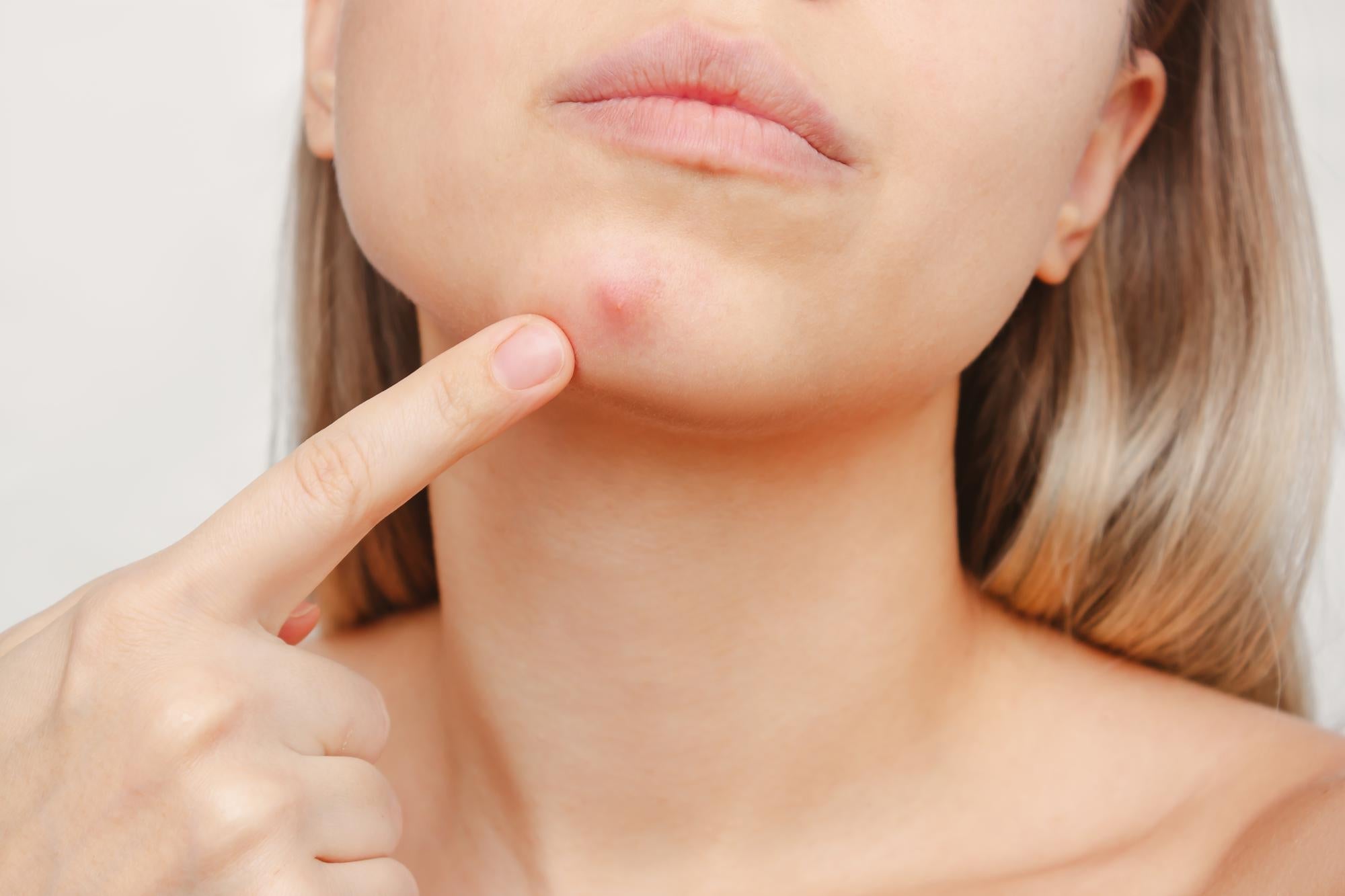
Chin pimples: causes, treatments and routine for clear skin
A pimple on your chin may seem trivial... until it becomes painful, recurring, or leaves a visible mark. According to a study by the American Academy of Dermatology, more than 50% of adult women experience hormonal acne breakouts on their chin and jawline. It's a particularly sensitive area , closely linked to hormonal fluctuations, stress, and lifestyle habits.
The problem? These imperfections don't just affect your complexion. They also affect your self-confidence. Understanding the meaning of chin pimples , identifying their causes, and adopting a proper routine is the key to regaining clear, balanced skin.
In this article, we'll take an in-depth look at the causes , treatments , and most effective natural solutions , while sharing a complete routine validated by skin experts.
Causes of pimples on the chin
Hormonal factors: the primary cause of chin imperfections
The chin is recognized by dermatologists as a true hormonal zone of the face. This means that any variation in the balance of hormones, especially androgens , has a direct impact on this specific part of the skin. When these hormones excessively stimulate the sebaceous glands, sebum production increases, pores become clogged, and pimples on the chin appear regularly.
This is a phenomenon well known as hormonal chin acne , and it particularly affects women. We often notice:
-
the appearance of a large red pimple on the chin just before or during menstruation,
-
breakouts after changing or stopping hormonal contraception ,
-
or even flare-ups during periods of hormonal upheaval such as pregnancy or menopause .
Remember: If your blemishes keep reappearing in the same area of your chin, it's most likely a hormonal imbalance . In this case, a simple topical cream isn't enough; you need to take deep action on hormonal regulation and adapt your skincare routine.
Diet, stress and lifestyle: the invisible triggers
Beyond hormones, lifestyle has a huge impact on skin health. A diet too rich in refined sugars, dairy products, or processed foods increases skin inflammation and creates a breeding ground for chin acne .
Additionally, chronic stress releases cortisol, a hormone that disrupts the skin's natural cycle and stimulates sebum secretion. As a result, pores become clogged more easily and blemishes appear more frequently. Finally, a lack of sleep slows cell regeneration and worsens sebum retention in the chin area.
Concrete example: a week of intense stress combined with an unbalanced diet can be enough to trigger an outbreak of several spots on the chin , sometimes painful and visible for several days.
Cosmetics and aggressive gestures: a common mistake
Many people think they're doing the right thing by using multiple anti-acne treatments, but some products actually perpetuate the problem. Cosmetics containing mineral oils, silicones, or comedogenic sunscreens clog pores and promote the appearance of blemishes.
In addition, certain repeated actions make the situation worse:
-
Popping a pimple often leads to deeper inflammation and scarring,
-
Exfoliating too often weakens the skin barrier, which further stimulates sebum production,
-
Touching your chin regularly transfers bacteria from your hands or phone to your skin.
Result: what was supposed to improve the situation turns into a vicious circle, with the appearance of recurring and sometimes painful red spots.
Chin button meaning: a message from your body
In traditional medicine (especially Chinese medicine), a pimple on the chin is not just a cosmetic problem: it can be a sign of an internal imbalance . For example, chin acne can indicate a hormonal disorder, poor digestion, or chronic stress. While these interpretations are not a substitute for a medical diagnosis, they underline an essential point: the skin on the chin often reflects what is happening inside the body.
Takeaways
-
Pimples on the chin are generally multifactorial: hormones, lifestyle and cosmetics play a role together.
-
A large red pimple on the chin that comes back regularly should alert you to a possible hormonal imbalance.
-
A comprehensive and holistic approach (hormonal regulation, balanced diet, stress management and gentle cosmetic routine) is the most sustainable solution.
Types of pimples on the chin

Not all chin pimples are the same. Identifying their type is crucial for applying the right treatment. A blackhead is not treated like a deep cyst , and a red papule does not evolve in the same way as a microcyst . Here are the main types of blemishes found on the chin and their meaning .
Blackheads (open comedones)
Blackheads , also called open comedones , appear when sebum and dead cells accumulate in a pore. When exposed to air, this mixture oxidizes and turns black.
-
Appearance : Small dark dots visible on the surface of the skin.
-
Severity : Low, but often unsightly.
-
Meaning : Generally indicates excess sebum linked to comedogenic products or inadequate hygiene.
Note: An excess of blackheads on the chin can develop into chin acne if inflammation sets in.
Whiteheads and microcysts
Unlike blackheads, whiteheads (or closed comedones ) remain trapped under the skin. They appear as small white or flesh-colored pimples, sometimes invisible to the naked eye but palpable to the touch.
Microcysts , on the other hand, are deeper, closed pimples. They are often hard, painful, and take several weeks to disappear .
-
Appearance : small subcutaneous pimples, sometimes grouped.
-
Severity : moderate to high depending on their size and recurrence.
-
Meaning : Often linked to hormonal imbalance or the use of overly occlusive products.
Example: after stopping the pill, many women notice the appearance of microcysts on the chin , a sign of temporary hormonal imbalance.
Papules and pustules
Papules and pustules are more visible and bothersome inflammatory spots.
-
Papules : Red pimples without a white head. They are painful to the touch and indicate active inflammation.
-
Pustules : These resemble papules, but they have a white tip filled with pus.
-
Appearance : localized redness, sometimes grouped on the chin.
-
Severity : medium, with risk of scarring if pierced.
-
Meaning : Often triggered by stress, diet, or hormonal cycles.
If you regularly notice a large red pimple on your chin before your period, it is probably a hormonal papule that sometimes develops into a pustule.
Deep cysts
Acne cysts are the most severe form of chin blemishes. They develop deep under the skin and can be very painful. Unlike pustules, they do not have a white head and persist for several weeks.
-
Appearance : hard, red or purplish lump, sometimes accompanied by local swelling.
-
Severity : high, as they may leave scars.
-
Meaning : Often linked to persistent hormonal chin acne .
Deep cysts often require dermatological treatment (retinoids, antibiotics or hormonal treatments).
Comparison table of types of pimples on the chin
|
Button type |
Appearance |
Gravity |
Lifetime |
Main meaning |
|
Blackhead (open comedone) |
Small dark spot on the surface |
Light |
Short |
Excess sebum, clogged pores |
|
Whitehead (closed comedo) |
Small white pimple under the skin |
Moderate |
Average |
Sebum imbalance/occlusive skin |
|
Microcyst |
Hard, subcutaneous pimple |
Medium to high |
Long |
Hormonal imbalance |
|
Papule |
Red, painful pimple |
Average |
Average |
Hormonal inflammation or stress |
|
Pustule |
Red pimple with pus |
Average |
Average |
Local bacterial infection |
|
Deep cyst |
Large, hard, painful pimple |
High |
Long |
Persistent hormonal acne |
Takeaways
-
Identifying the type of chin pimple is the first step in choosing the right treatment.
-
Blackheads and whiteheads are easier to treat at home .
-
Deep cysts and recurrent pustules require medical monitoring to avoid scarring and recurrence.
-
Understanding the meaning of chin pimples (hormonal, inflammatory, or lifestyle-related) helps you tailor an effective and sustainable routine.
Lifestyle tips and prevention

Food
Favor fruits, vegetables, fiber, and essential fatty acids. Limit sugars and dairy products.
Stress management
Practice meditation, yoga, or deep breathing to limit cortisol spikes.
Contact hygiene
Change your pillowcases regularly, clean your phone and avoid touching your face.
Takeaways:
-
Chin acne often reflects an internal imbalance.
-
Small lifestyle changes = big skin improvement.
Recommended Daily Routine
Morning
-
Gentle cleaning.
-
Purifying mist (lavender, tea tree).
-
Anti-blemish serum (niacinamide + zinc).
-
Light moisturizing cream.
-
Non-comedogenic sunscreen.
Evening
-
Make-up removal with vegetable oil (jojoba, hazelnut).
-
Gentle cleaning.
-
Azelaic acid or BHA serum.
-
Soothing and restorative cream.
When should you consult a dermatologist?
-
Persistent pimples for more than 3 months.
-
Pain associated with deep cysts.
-
Acne scars forming.
Prescribed treatments may include:
-
retinoids,
-
topical antibiotics,
-
hormonal treatments,
-
peels or LEDs.
Idoine Bio
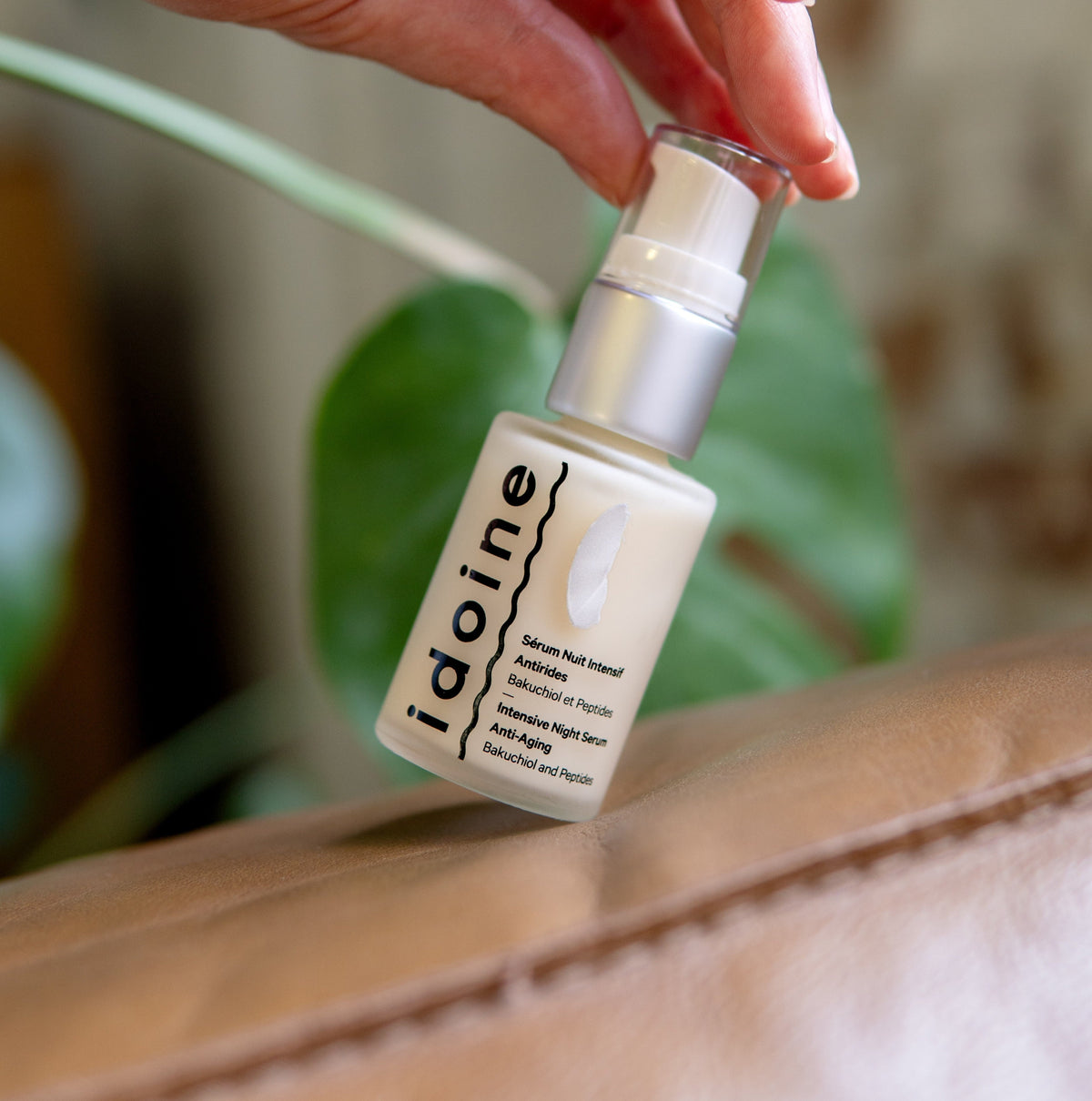
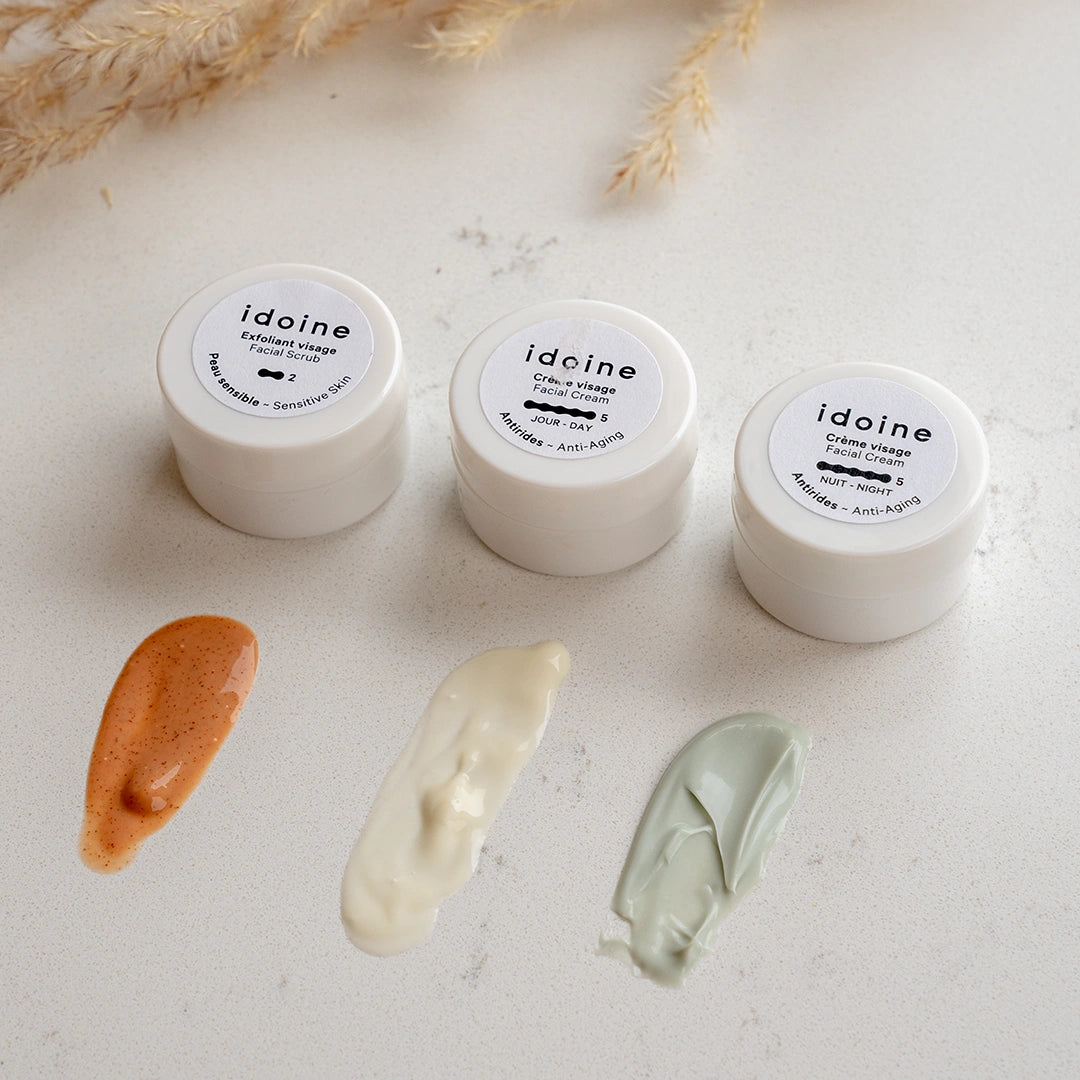
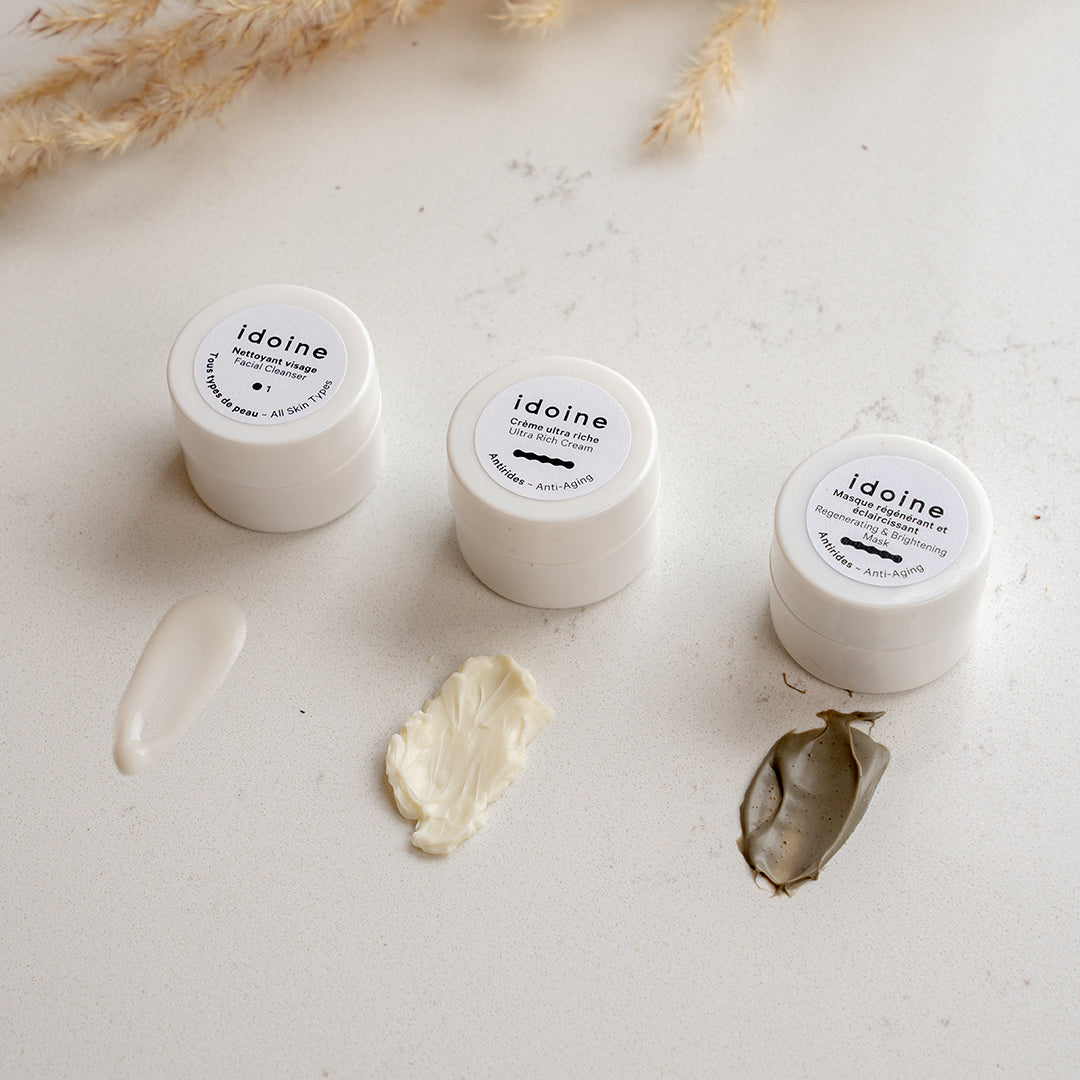
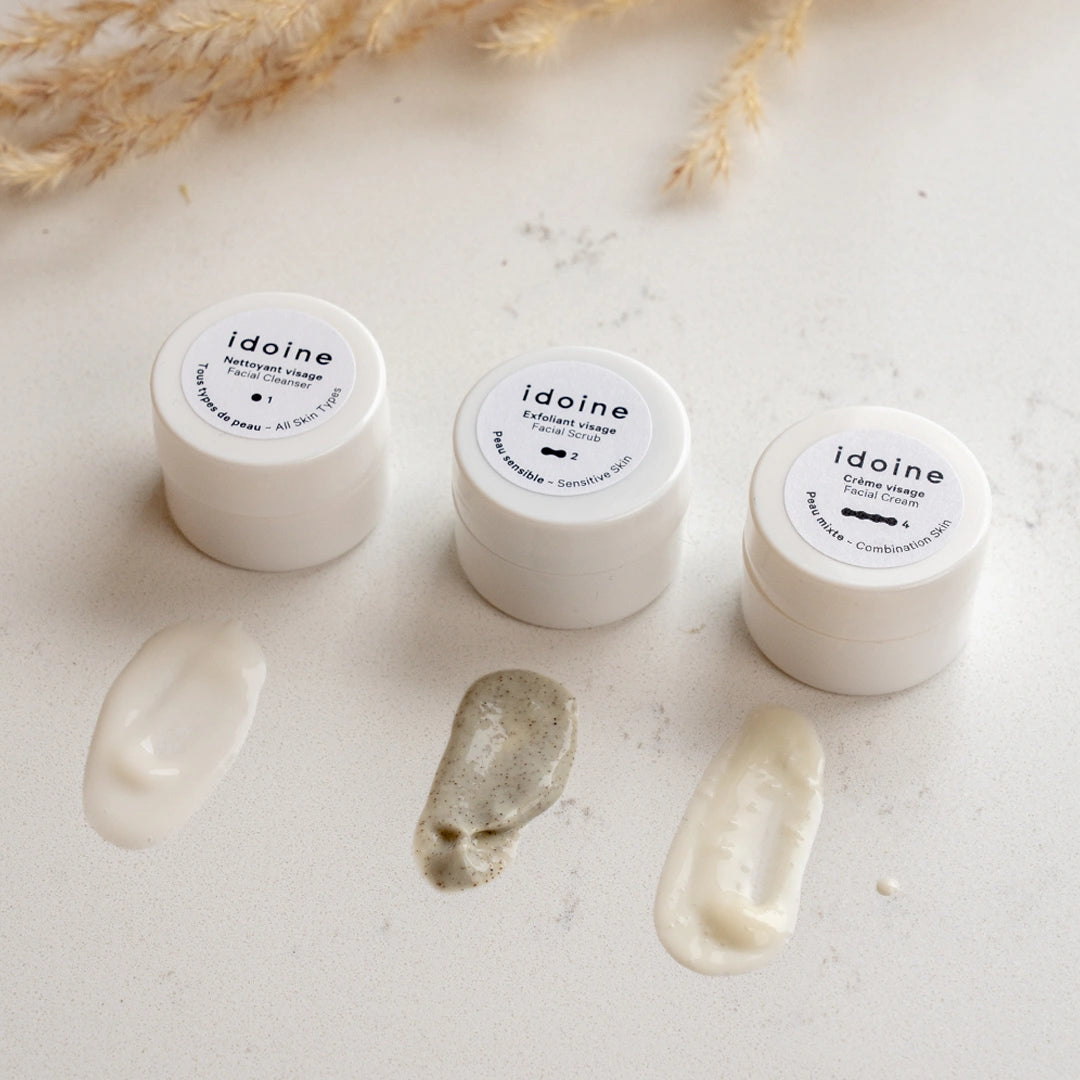
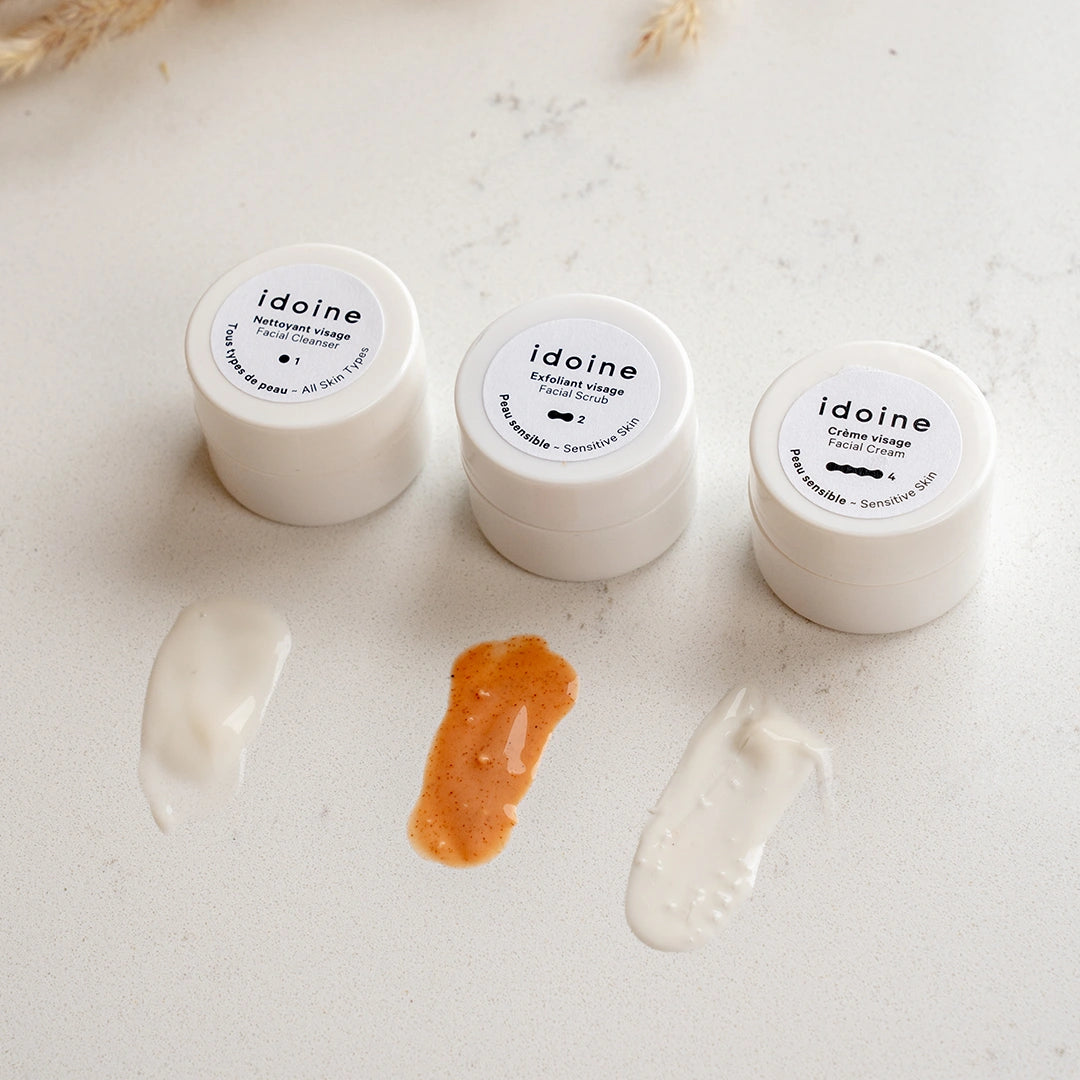
At Idoine Bio , we believe that clear skin requires an organic and respectful routine . Our treatments are formulated with natural ingredients and are suitable for skin prone to imperfections.
Our assets for healthy skin:
-
Organic and non-comedogenic formulas .
-
Powerful active ingredients: balancing plant oils, soothing plant extracts.
-
Visible results: reduction of imperfections and improvement of complexion radiance.
By choosing Idoine Bio, you are giving your skin effective care without compromising on health or the planet .
Conclusion
Pimples on the chin aren't inevitable. They often reflect an internal or external imbalance that can be corrected with a suitable routine, a balanced lifestyle, and targeted care.
In summary:
-
Identify the causes (hormones, diet, stress).
-
Adopt a minimalist but effective routine.
-
Do not hesitate to consult a professional if the spots persist.
Want to discover organic skincare products tailored to your skin? Explore the complete Idoine Bio range and treat your skin to the best of nature.
FAQ
What is chin button meaning?
A pimple on the chin never appears by chance. The meaning is often hormonal, as the chin is one of the areas of the face most sensitive to androgen fluctuations. This is why many women notice breakouts before their period or after changing their contraception. But this is not the only cause: some pimples also reflect digestive imbalances (excess sugar, dairy products, processed foods) or chronic stress that stimulates sebum production. In short, the meaning of a chin pimple can be multiple, but it is most often linked to hormones and digestion.
Should you pop a pimple?
It's tempting to pop a pimple on your chin , especially when it's red and painful. However, dermatologists strongly advise against this. Popping a papule or microcyst promotes the spread of bacteria under the skin, increases inflammation, and slows healing. Worse still, it can leave a permanent mark or scar. The best approach is to apply a drying or anti-inflammatory topical treatment and then let the pimple heal naturally. If you're suffering from large, red pimples on your chin , it's best to consult a professional for appropriate treatment.
Why always in the same place?
Many people find that their chin pimples keep reappearing in the same spot. This is due to the overactive sebaceous glands located in this area. Once a pore is weakened or dilated, it becomes more susceptible to recurring blockages and therefore inflammation. In addition, chin pimples are heavily influenced by hormones, so imbalances often appear in the same areas with each menstrual cycle. If a large, red pimple on the chin recurs regularly, it may be a sign of hormonal chin acne, requiring a specific routine or medical follow-up.