Natural care for sensitive skin: what to choose, what to avoid
Sensitive skin deserves gentle, effective care. In this guide to natural skincare , discover which plant-based ingredients can soothe irritation and restore balance—and which, despite their “natural” appearance, should be avoided. Whether you're struggling with redness, dryness, or breakouts, you'll learn how to care for your skin with confidence and clarity.
What makes skin “sensitive”?
Before we get into the ingredients, it's important to understand what it actually means to have sensitive skin.
Sensitive skin reacts more intensely to external factors than other skin types. This can manifest itself through:
-
Redness after cleansing or applying a product
-
A feeling of tightness, tingling or burning
-
Dry patches, scaling, or inflammation
-
Pimples or irritations caused by certain products or perfumes
These reactions are often linked to a weakened skin barrier , which allows irritants to penetrate while allowing moisture to escape. Several factors can contribute to this weakening, including:
-
Environmental aggressions such as cold, wind or pollution
-
Excessive use of exfoliants, acids or retinoids
-
Skin conditions such as eczema, rosacea or dermatitis
-
Hormonal changes, stress or the introduction of new products
Good news: with a minimalist, thoughtful approach and well-chosen ingredients, sensitive skin can become stronger, calmer, and regain its balance over time.
Why Natural Skincare Is Essential When You Have Sensitive Skin

Once you know your skin is sensitive, the next step is to choose products that support it, not irritate it further. That's where natural skin care comes in.
When chosen wisely, natural skincare products help strengthen the skin barrier, soothe inflammation, and reduce the risk of a reaction. They avoid harsh chemicals and synthetic fragrances that often trigger flare-ups, instead relying on plant-derived ingredients that nourish and protect the skin.
But be careful: just because an ingredient is natural doesn't mean it's necessarily suitable for reactive skin. Some can soothe, while others may aggravate sensitivity. That's why, in the next sections, we'll walk you through which natural ingredients to favor and which to use with caution, so you can create a routine that works with your skin , not against it.
The best natural anti-inflammatory ingredients to soothe and repair

Let's dive into the world of gentle skincare that truly makes a difference. Here are the most recognized natural anti-inflammatory ingredients to calm, hydrate, and support even the most reactive skin.
1. Chamomile, benefits for the skin: an essential ally for sensitive skin
Chamomile is not only a soothing herbal tea, it is also a valuable ally for skin care. Thanks to its richness in apigenin , azulene and antioxidants , it offers impressive results for inflamed, sensitive or acne-prone skin.
Its main benefits:
-
Reduces redness and swelling
-
Soothes itching, burning and irritation
-
Helps fight bacteria responsible for certain breakouts
-
Accelerates the healing of small skin lesions
Chamomile floral water and chamomile-infused creams or serums are ideal for those seeking gentle yet effective relief.
Tip: choose ECOCERT-certified chamomile, which is more sustainable and often has a higher concentration of active compounds.
2. Moringa oil: The balancing oil
Discreet but increasingly popular, moringa oil is a real treasure for sensitive skin. Rich in oleic acid , vitamin E and plant sterols , it deeply nourishes the skin without clogging pores.
Why it's perfect for sensitive skin:
-
Strengthens the skin barrier
-
Softens dry or rough areas
-
Neutralizes free radicals responsible for irritation
-
Has natural antimicrobial properties
Unlike thicker oils, moringa oil absorbs quickly, making it an excellent choice for both morning and evening routines.
3. Aloe vera: Nature’s cool compress
Often used to relieve sunburn, aloe vera is also excellent for soothing chronic skin sensitivities. It provides a cooling effect and a natural anti-inflammatory upon application, making it an ideal ally against redness, itching, and tightness.
Its key properties:
-
Rich in polysaccharides that moisturize and soothe the skin
-
Accelerates the healing of small lesions
-
Strengthens the skin's moisture barrier
Choose a 99% pure aloe gel or a gentle serum where aloe is at the top of the ingredient list.
4. Calendula: The gentle healer
Derived from marigold petals, calendula is a botanical ingredient known for its gentleness and effectiveness on delicate skin.
Its benefits:
-
Promotes tissue repair and cell regeneration
-
Soothes inflammation and dermatitis
-
Has antibacterial properties that help prevent outbreaks
-
Ideal for dry, irritated or eczema-prone skin
5. Colloidal Oatmeal: Strengthens the skin barrier
Much more than a comfort food, colloidal oatmeal , made from finely ground oats, is a powerful natural calming agent . It acts as a moisture shield while effectively soothing sensitive skin.
Ideal for:
-
Relieve itching caused by eczema or psoriasis
-
Restore hydration to dry or damaged skin
-
Soothe flare-ups, redness and skin reactions
It is often found in creams, balms or soothing masks.
6. Cucumber Extract: Moisturizing and refreshing
Cucumber is not limited to spa treatments, it is naturally rich in vitamin C , silica and moisturizing enzymes that refresh and revitalize the skin.
Why it's perfect for sensitive skin:
-
Instantly cools heated or red areas
-
Soothes swelling and irritation
-
Revives skin radiance without using harsh active ingredients
Natural doesn't always mean safe, ingredients to use with caution
Some so-called "natural" ingredients can actually aggravate skin sensitivity or exacerbate existing skin issues. Here are some things to watch out for, especially if your skin is already reactive.
1. Essential oils: powerful, but potentially irritating
Tea tree, citrus, peppermint, these oils seem gentle, but they are highly concentrated and can irritate the skin if used in large amounts or without dilution.
Possible risks:
-
Allergic reactions
-
Redness, tingling, or burning sensations
-
Increased photosensitization (especially with citrus oils)
If you like essential oils, choose products specially formulated for sensitive skin and always do a skin test first.
2. Apple cider vinegar and baking soda
Often suggested in homemade recipes to treat acne or exfoliate, these two ingredients can imbalance the skin's pH and lead to redness, burning, or peeling.
It is best to avoid them if you have thin, sensitive skin or if your skin barrier is weakened.
3. Alcohol-based tonic
Toners containing witch hazel or high concentrations of alcohol can dry out the skin and further weaken the skin barrier.
Preferably: alcohol-free hydrosols or fatty alcohols (such as cetyl or cetearyl alcohol), which are emollient and non-irritant.
4. Perfume (even natural)
Even fragrances made with essential oils can cause reactions in sensitive skin. For added safety, choose fragrance-free skincare .
If you enjoy a touch of fragrance, turn to products made with chamomile, rose water, or calendula, gentle ingredients that offer a subtle, naturally soothing aroma.
How to incorporate a natural calming agent into your skincare routine
Once you've identified the ingredients that naturally soothe your skin, here's how to create a gentle routine that protects and regenerates it.
The morning :
-
Cleanse your face with a gentle sulfate-free milk or gel
-
Spray a mist of chamomile or rose hydrosol
-
Apply a serum with aloe vera or cucumber extract
-
Moisturize with a cream formulated with calendula or moringa oil
-
Always apply mineral sunscreen with zinc dioxide
The evening :
-
Gentle cleaning
-
Hydrosol mist
-
Apply a natural calming agent , such as moringa oil or rosehip oil
-
Seal in moisture with a rich cream or balm (oatmeal or shea butter)
Additional tips:
-
Always test a new product on a small area of skin
-
Avoid overly strong exfoliations
-
Keep your calming mists in the refrigerator for an even more soothing effect.
Natural skincare is more than a formula, it's a ritual of kindness
For many women, taking care of their skin is a sacred moment, a few minutes of peace, presence, and connection to oneself. Choosing natural skin care isn't just about avoiding toxins: it's about listening to your skin's needs, honoring your rhythm, and respecting this precious connection with the planet.
Choose brands that share your values:
-
Transparent and traceable ingredients
-
Eco-responsible packaging
-
Vegan and cruelty-free formulations
-
Supporting fair trade for ingredients like moringa, aloe vera, and chamomile
You deserve care that reflects your inner softness and natural strength.
Idoine Bio: natural care that respects your skin

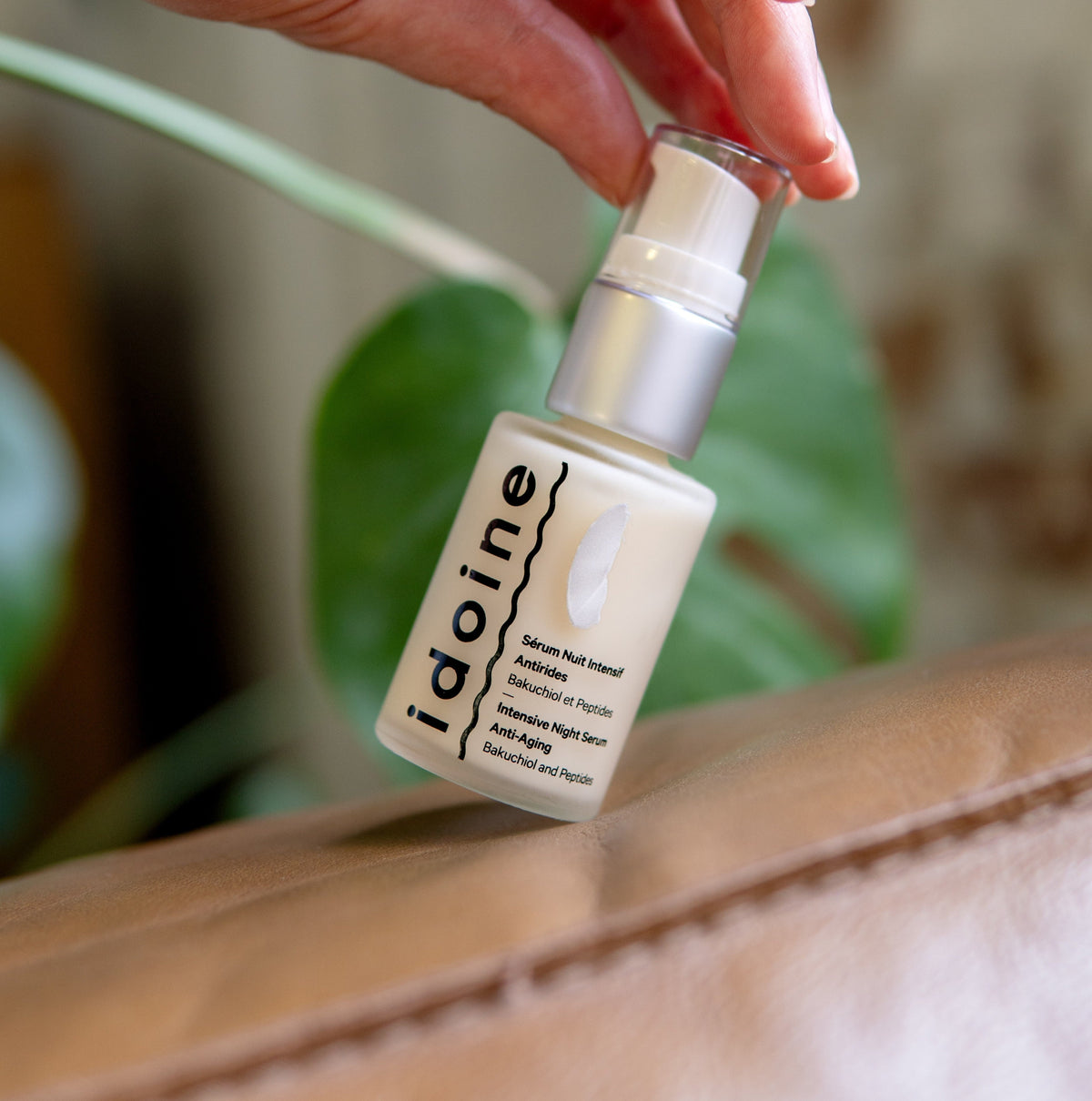
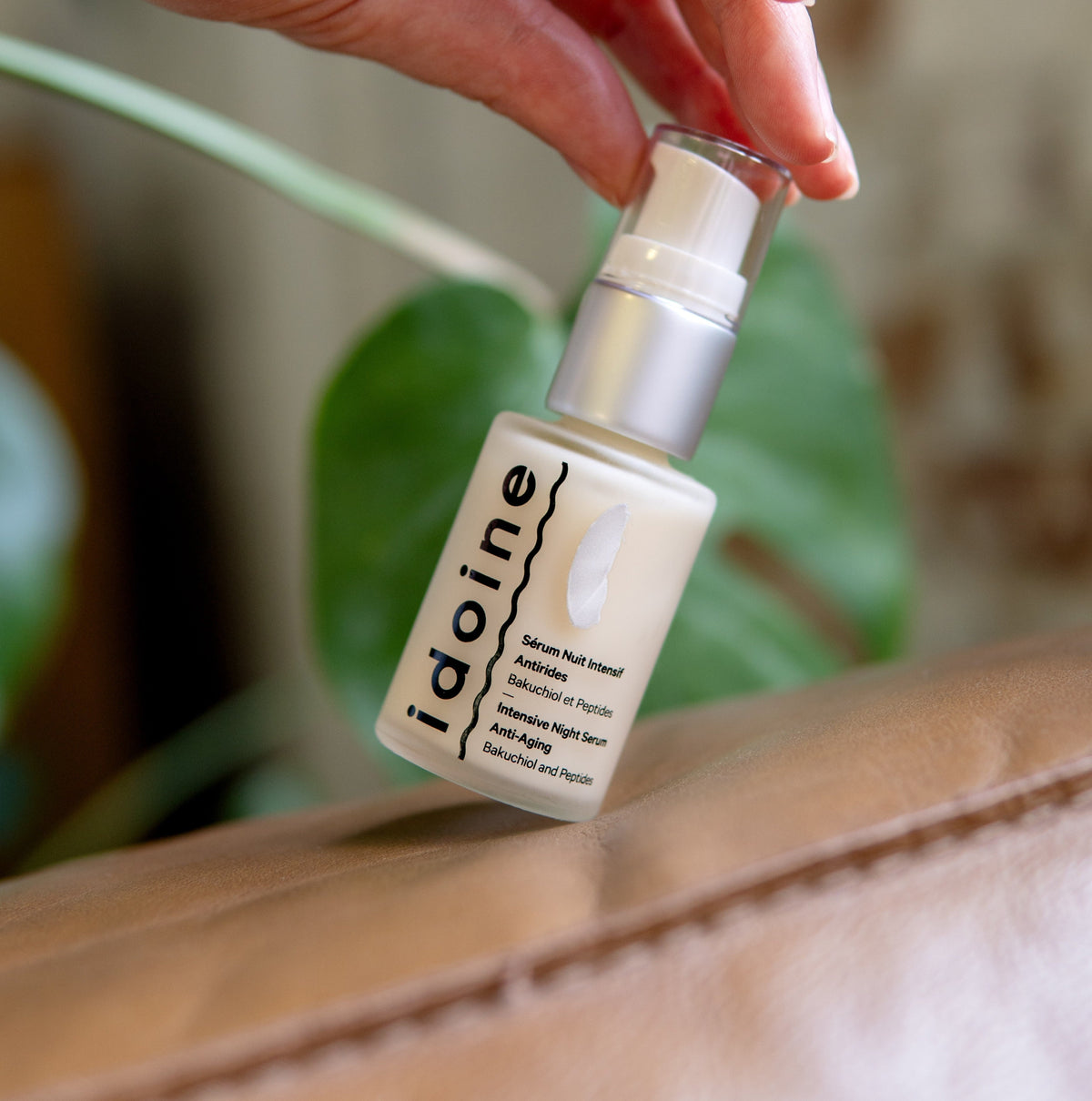
At Idoine Bio , we create skincare products that are as gentle on your skin as they are on the environment. Our certified organic and vegan formulas are made in Quebec, with ingredients like moringa oil, chamomile, and aloe vera, chosen for their natural calming and anti-inflammatory properties .
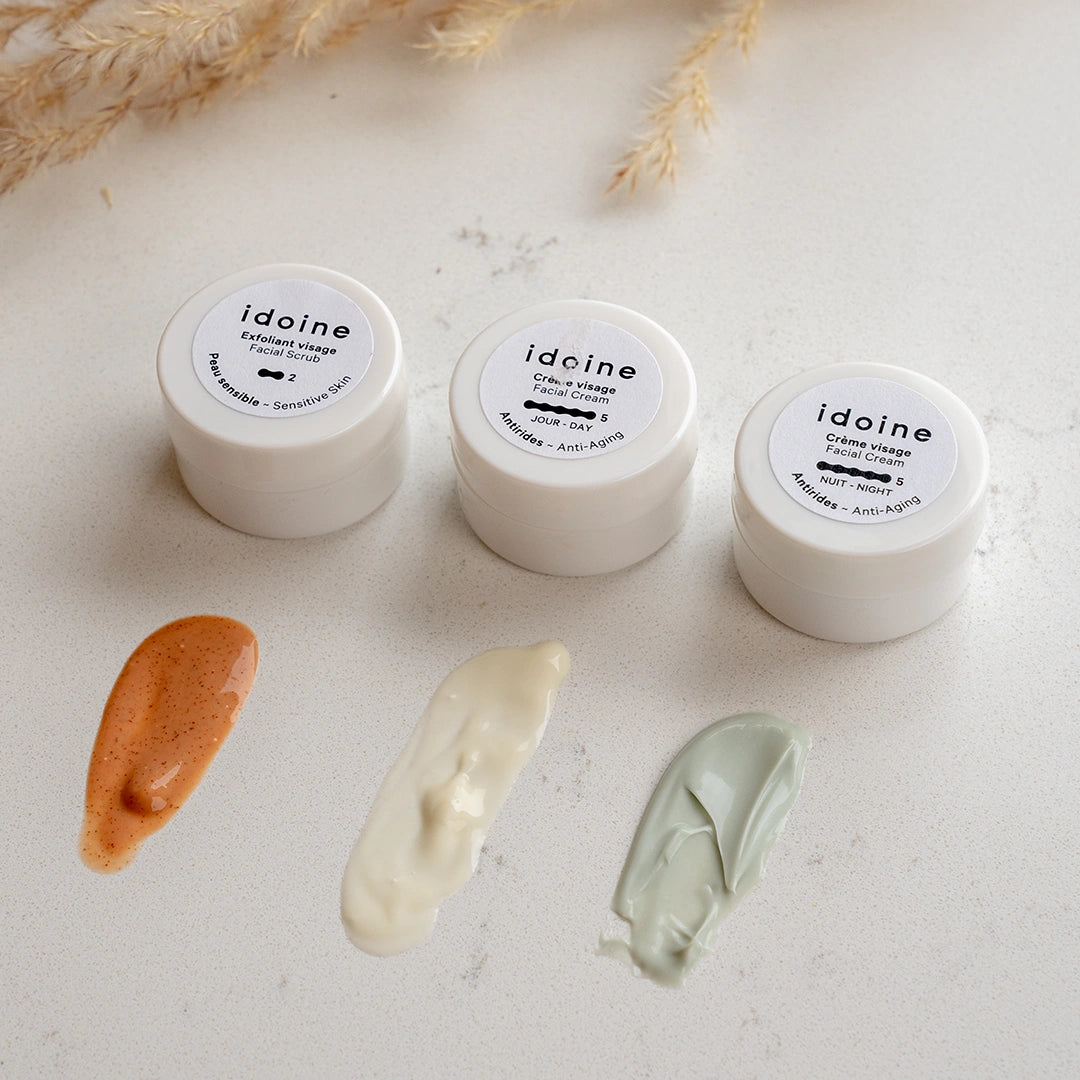
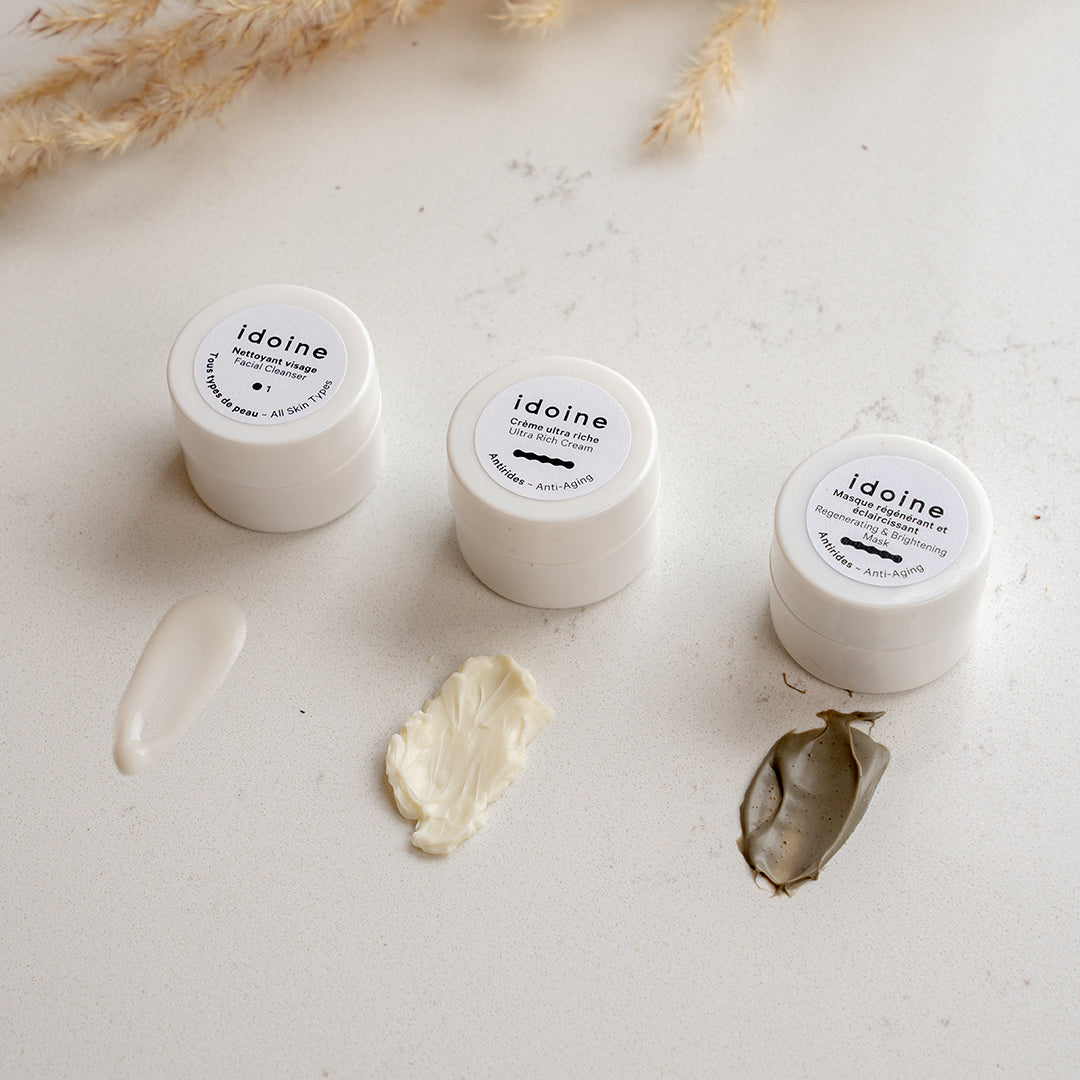
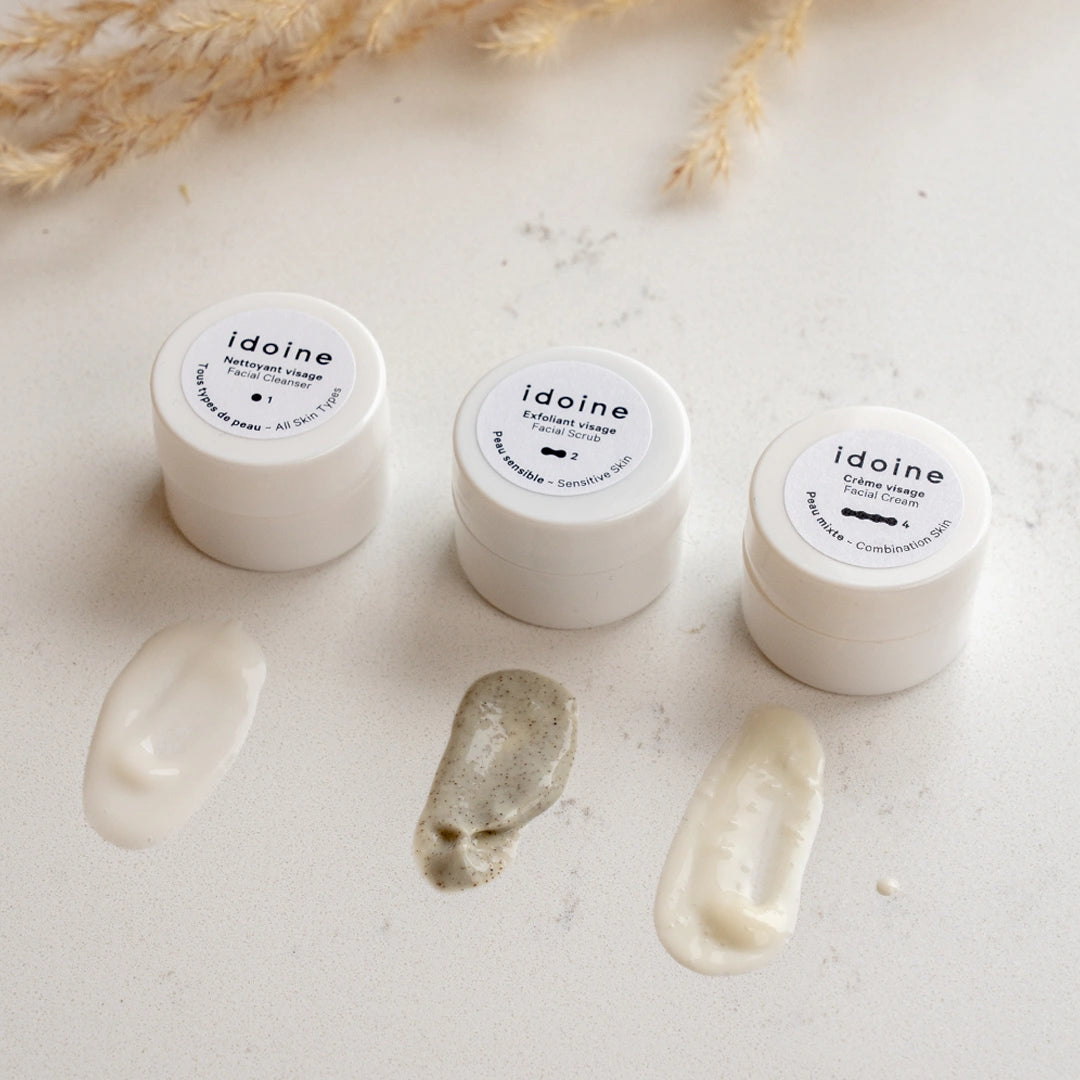
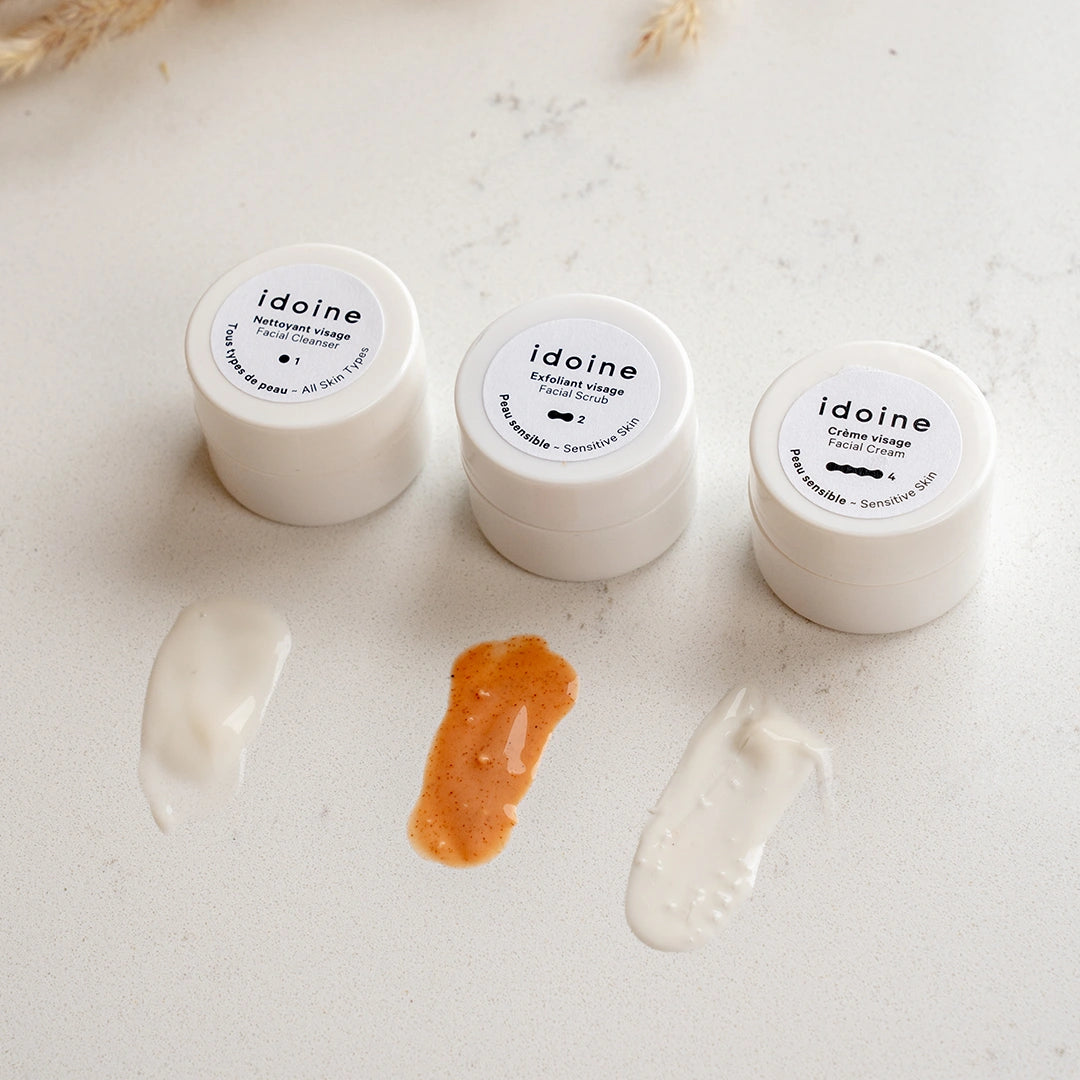
Whether you are starting your natural skincare journey Whether you're looking to better manage persistent sensitivity, our products are designed to soothe, balance, and protect. And with our trial packs and discovery boxes , you can discover what works best for your skin—without waste or compromise.
FAQ
1. What are the benefits of chamomile for sensitive or redness-prone skin?
Chamomile is a true ally for sensitive skin. Among the most recognized chamomile skin benefits is its ability to soothe inflammation, reduce redness, and calm irritation caused by dryness, environmental aggressors, or conditions like rosacea. Rich in antioxidants like apigenin and azulene, it helps neutralize free radicals while supporting skin regeneration. It also has gentle antibacterial properties, ideal for reducing blemishes without drying out the skin. Whether used as a hydrosol, cream, or mask, chamomile offers effective and long-lasting relief—a must-have in any sensitive skin routine.
2. What is the best natural anti-inflammatory for red, irritated skin?
For those dealing with redness or irritation, chamomile stands out as the best natural anti-inflammatory for sensitive skin. Thanks to its active compounds like azulene and bisabolol, it calms skin reactions without the harshness of some synthetic treatments. These ingredients work together to reduce swelling, accelerate healing, and relieve burning or itching. It's particularly effective at soothing flare-ups related to eczema, rosacea, or hormonal acne. Incorporated into a lotion, serum, or mist, chamomile provides fast-acting relief while fitting perfectly into a natural skincare routine.
3. How to build a natural skincare routine for sensitive skin?
Creating a gentle and effective routine starts with choosing natural skincare products tailored to the needs of sensitive skin. Start with a sulfate-free cleanser that cleanses without stripping the skin barrier. Then, apply a hydrating mist, such as rose water or chamomile hydrosol. Follow with a serum made with calming ingredients such as aloe vera or moringa oil. Finish with a nourishing cream that hydrates without clogging pores. Use a mineral sunscreen containing zinc oxide every day. Keep your routine simple, introduce products one at a time, and always perform a patch test before use. A well-thought-out routine helps restore skin comfort, balance, and suppleness.
4. Is moringa oil good for sensitive skin?
Yes, moringa oil is an excellent choice for sensitive skin. It's lightweight, non-comedogenic, and rich in essential nutrients like oleic acid, vitamin E, and antioxidants. These elements work together to reduce inflammation, soften dry patches, and strengthen the skin barrier. Its natural antimicrobial properties also make it suitable for sensitive, acne-prone skin. Because it absorbs quickly and is very soothing, it's ideal for daily use, either alone or under moisturizer. Many women find that it calms breakouts while improving skin texture and radiance. It's a versatile plant oil that adds gentle yet powerful care to any natural skincare routine .
5. Can I use a natural calming agent every day?
Absolutely! Incorporating a natural calming agent into your daily routine is one of the best ways to care for sensitive skin long-term. Ingredients like moringa oil, calendula, chamomile, and aloe vera are gentle enough for regular use. They help reduce inflammation, strengthen the skin barrier, and prevent irritation. These plant-based treatments are especially effective when applied after cleansing and before moisturizing. Over time, consistent use helps skin become less reactive and more resistant to external aggressors. For women with sensitive skin, this morning and night routine becomes a truly soothing ritual, promoting comfort, balance, and a healthy glow.
Bottom line: let your skin breathe
Sensitive skin is a gift in disguise; it teaches you to listen, slow down, and make conscious choices. By embracing ingredients like chamomile, moringa oil, and colloidal oatmeal, while avoiding harsh essential oils or synthetic irritants, you can create a routine that truly nourishes your skin.
So go ahead and explore, experiment slowly and let your natural beauty shine through.
If you're not sure where to start, try our Sensitive Skin Discovery Box . It's an easy way to discover natural skincare without the commitment of regular sizes—just what you need to keep your skin feeling understood, protected, and balanced.